
Amritsar · Punjab · Sikh Heritage · Sarovar · Langar
Sri Harmandir Sahib — The Golden Temple
Sikhism's Holiest Shrine and the Living Heart of Amritsar
Tags: Golden Temple · Sri Harmandir Sahib · Amritsar · Sikhism · Punjab · Langar · Sarovar · Guru Granth Sahib

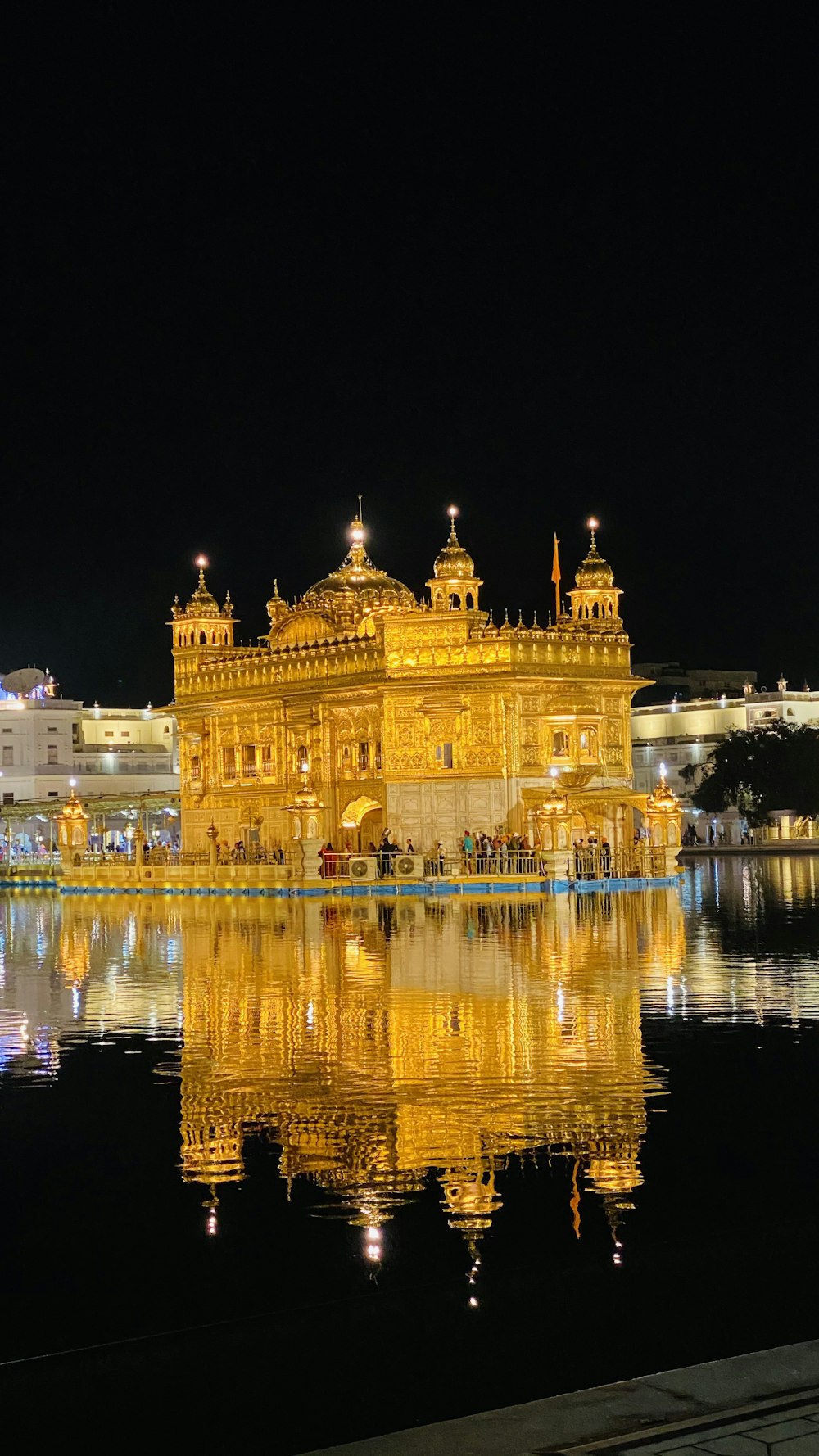
Sri Harmandir Sahib — universally known as the Golden Temple — stands within the Amrit Sarovar in Amritsar, its gilded dome and marble causeway creating one of the most recognisable images anywhere in India.
It is Sikhism's holiest shrine, and yet the shrine is only part of the experience. Everything that surrounds it — the water, the music, the volunteers, the langar — expresses a set of values that visitors of every faith are welcome to witness.
The Sarovar and the Reflection
The Amrit Sarovar — the sacred pool of nectar — gives the city its name (Amritsar = pool of nectar) and gives the Golden Temple its extraordinary reflection.
A single marble causeway leads pilgrims across the water to the shrine itself. The dome is gilded with a covering of gold. Devotional music (kirtan) plays continuously.
Come at dawn or return well after sunset. The mood changes with the light, and the reflection across the water may be at its most beautiful at either edge of the day.
Before You Enter
Everyone — regardless of faith — is welcome. Everyone follows the same simple etiquette.
Remove footwear at the shoe-deposit area (a free service).
Wash your feet in the shallow water channel at the entrance.
Cover your head — bring a scarf or accept one at the entrance.
Dress modestly and avoid loud behaviour or intrusive photography of worshippers.
Alcohol, tobacco and non-vegetarian food are not permitted inside the complex.
Langar — Free Food, Deep Meaning
The community kitchen at the Golden Temple serves free vegetarian meals every single day. Estimates commonly cite tens of thousands of meals daily, and far more on major days.
Sit on the floor in long parallel rows. Volunteers walk between the rows serving dal, sabzi, roti, rice and kheer. When you are finished, you can wash your own plate — or step into the kitchen and help.
The langar is not a free restaurant. It is a spiritual institution rooted in the Sikh principles of **seva** (selfless service), **sangat** (community) and **pangat** (equality — everyone eats together, on the floor, from the same food).
The Akal Takht and the Complex
Across from the main shrine stands the **Akal Takht**, the highest temporal seat of the Sikh community. The complex also houses a museum, the Central Sikh Museum, with paintings, weapons and manuscripts tracing centuries of history.
Near the entrance, a **clock tower** and museum galleries help orient first-time visitors, while Ramgarhia Bunga watchtowers survive from an earlier defensive era.
Best Times to Visit
**Dawn** — extraordinary calm; the Guru Granth Sahib is ceremonially opened.
**Late evening** — the illuminated dome across the water is unforgettable.
**Palki Sahib ceremony** — nightly procession that returns the Guru Granth Sahib from the shrine to its resting place. Times vary by season; ask at the information counter.
The Golden Temple is open 24 hours. Visits at multiple times of day reveal completely different moods.
Related articles
- Amritsar — Spiritual Heart of PunjabGolden Temple, Jallianwala Bagh, the Partition Museum, kulcha, lassi and one of India's most powerful cities.
- Discover Punjab: Where Golden Faith Meets Golden FieldsFrom the Golden Temple to endless wheat fields — the heartland of Sikh culture, farming, food and hospitality.
- Punjab — The Land of the Five Rivers, Golden Fields and Living HeritageA journey through Sikh heritage, vibrant cities, farming traditions, music, food and unforgettable hospitality.
- Anandpur Sahib & the Sikh Heritage TrailThe birthplace of the Khalsa and the deepest chapter of Sikh history in Punjab.
Related
- Amritsar City Guide — Everything else in the spiritual heart of Punjab.
- Anandpur Sahib & Sikh Heritage — Where the Khalsa was born.
- Discover Punjab — The full Punjab story.
- Punjabi Cuisine — Beyond the langar hall.