

Amritsar stands as a testament to the resilience, cultural richness, and spiritual depth of Punjab. From the serene ambiance of the Golden Temple to the bustling energy of its markets, from the solemn reminder of history at Jallianwala Bagh to the patriotic fervor at the Wagah border.
The Golden City of Punjab
Amritsar, the spiritual and cultural capital of Punjab, holds a special place in India's heritage and history. Founded in 1577 by the fourth Sikh Guru, Ram Das Ji, the city's name is derived from the sacred pool (Amrit Sarovar) surrounding the Golden Temple. Beyond its religious significance, Amritsar is a vibrant urban center blending tradition with modernity, offering visitors and residents alike a unique experience of Punjabi culture, cuisine, and hospitality.
Geography and Climate
Amritsar is located in the northwestern region of India in the state of Punjab, about 28 kilometers from the Pakistan border. Positioned on a plain with the Ravi River flowing to its north, the city sits at an elevation of about 234 meters above sea level.
The climate is characterized by four distinct seasons:
Summer (April to June): Extremely hot with temperatures reaching 45°C
Monsoon (July to September): Moderate rainfall providing relief from the heat
Autumn (October to November): Pleasant weather with temperatures between 15-30°C
Winter (December to March): Cold with temperatures occasionally dropping to near freezing
Unlike coastal regions of India, Amritsar doesn't experience cyclones, but heavy rainfall during monsoons sometimes causes localized flooding in low-lying areas. The city receives an average annual rainfall of about 680mm.
Water Resources
Rivers and Dams
The Ravi River, one of the five rivers of Punjab, flows north of Amritsar. While not directly through the city, this river has historical and cultural significance for the region. The Upper Bari Doab Canal, constructed during British rule, remains an important irrigation source for the surrounding agricultural lands.
Major dams near Amritsar include:
Ranjit Sagar Dam (approximately 180 km away): Also known as the Thein Dam, it's a major source of hydroelectric power for Punjab
Madhopur Headworks : Controls the flow of water into the Upper Bari Doab Canal system
Water Sources for the City
Amritsar relies on a combination of groundwater and canal water for its needs. The city's water supply infrastructure, managed by the Amritsar Municipal Corporation, draws from:
Deep tubewells throughout the city
Water treatment plants processing canal water
The historic "sarovars" (tanks) including the one around the Golden Temple
Water scarcity and declining groundwater levels are emerging challenges, with agricultural practices in surrounding areas contributing to this issue.
Infrastructure and Transportation
Airports
Sri Guru Ram Dass Jee International Airport : Located about 11 km from the city center, this modern facility connects Amritsar directly to international destinations including London, Dubai, Singapore, and domestic cities across India
Lahore International Airport (Pakistan): Though just 50 km away, international tensions make this largely irrelevant for cross-border travel
Railways
Amritsar is a major railway junction with excellent connectivity:
Amritsar Railway Station : A category A station serving as a terminal for numerous trains including the Shatabdi Express and Swarna Shatabdi connecting to Delhi
Regular connections to major Indian cities including Mumbai, Kolkata, Chennai, and Hyderabad
The historic Attari Railway Station near the India-Pakistan border serves the Samjhauta Express when diplomatic relations permit
Roads and Highways
National Highway 1 (now part of NH 3): Connects Amritsar to Delhi via Jalandhar and Ludhiana
National Highway 15 (now part of NH 54): Links Amritsar to Pathankot and further to Jammu
Amritsar-Wagah Road : Leading to the famous border crossing with Pakistan
Recently developed 6-lane expressways connecting surrounding towns and villages
Local Transportation
City Bus Service : Operated by Punjab Bus Metro Society with routes covering most parts of the city
Auto-rickshaws : The traditional three-wheelers serving as the backbone of local transport
Cycle-rickshaws : Still common in the old city areas and narrow lanes
Battery-operated e-rickshaws : Growing in popularity as an eco-friendly alternative
App-based cab services : Uber and Ola operate throughout the city
Urban Development and Housing
Amritsar's urban landscape can be broadly categorized into:
Old City (Walled City)
Densely populated area surrounding the Golden Temple
Narrow lanes, historic buildings, and traditional "havelis" (mansions)
Katras (traditional housing clusters) often named after trades or communities
Limited vehicular access with pedestrian zones
Newer Residential Areas
Ranjit Avenue : Upscale planned residential area with wide roads and modern amenities
Green Avenue : Well-planned middle and upper-middle-class neighborhood
Model Town : Developed residential colony with mixed housing
Guru Nanak Dev University Area : Academic surroundings with residential sectors
Housing Patterns
Traditional courtyard homes in older areas
Modern apartments and gated communities in newer developments
Suburban expansion with independent houses and villas
Urban village settlements gradually being incorporated into the city fabric
Agriculture and Food Production
Punjab is known as "India's breadbasket," and Amritsar district contributes significantly to this reputation.
Major Crops
Wheat : The primary rabi (winter) crop
Rice : Dominant kharif (monsoon) crop, particularly basmati varieties
Vegetables : Potato, cauliflower, peas, carrots
Sugarcane : Grown in selected areas
Mustard and other oilseeds : Rotational crops
Agricultural Practices
The Green Revolution transformed Punjab's agriculture, with Amritsar being a key beneficiary. Modern farming methods include:
Mechanized farming with tractors and harvesters
Extensive irrigation networks
High-yield crop varieties
Chemical fertilizers and pesticides
However, these practices have led to environmental concerns including groundwater depletion and soil degradation, prompting recent moves toward more sustainable approaches.
Food Markets
Hall Bazaar : Traditional market with fresh produce
Shastri Market : Known for wholesale vegetables
Katra Jaimal Singh Market : Mixed goods including food items
Lawrence Road : Hosts numerous fruit and vegetable vendors
Amritsar Fish Market : Despite being landlocked, offers freshwater fish varieties
Religion and Sacred Sites
Amritsar is synonymous with Sikhism but accommodates various faiths harmoniously.
Sikh Gurudwaras
Harmandir Sahib (Golden Temple) : The holiest Sikh shrine, attracting over 100,000 visitors daily
Akal Takht : The highest temporal seat of Sikh authority
Gurdwara Baba Atal Rai : Six-story octagonal tower commemorating Guru Hargobind's son
Gurdwara Mata Kaulan : Built in memory of a Muslim woman who sought refuge with the sixth Guru
Gurdwara Guru Ka Mahal : Site where Guru Ram Das and Guru Arjan Dev lived
Hindu Temples
Durgiana Temple : Resembling the Golden Temple in design, dedicated to Goddess Durga
Ram Tirath : Ancient temple complex associated with sage Valmiki and Lord Rama
Mata Lal Devi Temple : Maze-like temple featuring cave-style pathways
Shivala Bhaian Temple : Historic Shiva temple dating back to the 1700s
Muslim Mosques
Khairuddin Mosque : Historic mosque in the heart of the city
Jama Masjid Khairuddin : Another significant mosque dating back to Maharaja Ranjit Singh's era
Churches
St. Paul's Church : Anglican church built during the British period
Holy Trinity Church : Another colonial-era church with Gothic architecture
Catholic Church on Lawrence Road : Serving the Christian community
Cultural Heritage and Tourism
Historical Sites
Jallianwala Bagh : Memorial to the 1919 massacre of peaceful protesters by British forces
Wagah-Attari Border : Famous for the elaborate border closing ceremony
Gobindgarh Fort : Recently opened 18th-century fort built by Maharaja Ranjit Singh
Ram Bagh Gardens : Summer palace of Maharaja Ranjit Singh, now a museum
Maharaja Ranjit Singh Panorama : Dedicated to the legendary Sikh ruler
Museums
Partition Museum : The world's first museum dedicated to the 1947 Partition
Maharaja Ranjit Singh Museum : Housed in the summer palace, showcasing artifacts from the Sikh empire
Sikh History Museum : Located within the Golden Temple complex
Central Sikh Museum : Housing rare paintings and historical artifacts
Punjab State War Heroes Memorial Museum : Commemorating military traditions
Festivals and Celebrations
Amritsar's calendar is filled with vibrant celebrations:
Baisakhi : The Punjabi harvest festival and Sikh New Year in April
Guru Nanak Jayanti : Birthday celebration of the first Sikh Guru with illuminations at the Golden Temple
Diwali : Holds special significance as the Golden Temple is spectacularly lit with thousands of lamps
Hola Mohalla : Martial arts demonstrations and processions
Lohri : Winter harvest festival celebrated with bonfires
Basant Panchami : Kite-flying festival marking the arrival of spring
Gurpurbs : Birthday celebrations of various Sikh Gurus
Economy and Industry
Traditional Industries
Textile and Carpet Manufacturing : Including Phulkari embroidery and woolen goods
Food Processing : Particularly dairy products and traditional sweets
Handicrafts : Including woodwork, metalwork, and pottery
Agriculture-Based Industries : Flour mills, rice shellers, and oil extraction
Emerging Sectors
Information Technology : With the development of IT parks and SEZs
Tourism and Hospitality : A major economic driver
Education : Growing as an educational hub
Healthcare : Medical tourism from neighboring states and countries
Retail : Modern shopping centers and malls
Markets and Shopping Districts
Hall Bazaar : Famous for textiles and traditional goods
Lawrence Road : Modern shopping area with branded outlets
Katra Jaimal Singh : Known for clothing and fabrics
Guru Bazaar : Renowned for jewelry and gold work
Alpha One Mall : Modern shopping center with multiplex
Cuisine and Dining
Amritsar's culinary reputation extends throughout India and beyond:
Iconic Dishes
Amritsari Kulcha : Stuffed bread served with chole (chickpea curry)
Amritsari Fish : Fish marinated with special spices and deep-fried
Makki di Roti and Sarson da Saag : Cornbread with mustard leaf curry
Lassi : Sweetened yogurt drink, often topped with malai (cream)
Pinni : A sweet made of wheat flour, ghee, and sugar
Famous Eateries
Kesar Da Dhaba : Over 100-year-old establishment serving traditional Punjabi fare
Brothers' Dhaba : Popular for authentic vegetarian cuisine
Beera Chicken House : Known for its non-vegetarian specialties
Gurdas Ram Jalebi Wala : Famous for jalebis since 1921
Kulcha Land : Specialized in Amritsari kulchas
Langar at Golden Temple : Free community kitchen serving meals to thousands daily
Contemporary Dining
International cuisine restaurants in major hotels
Fast-food chains and coffee shops
Themed restaurants catering to younger demographics
Highway dhabas (roadside eateries) on outskirts famous for tandoori items
Education and Knowledge Centers
Universities and Colleges
Guru Nanak Dev University : Premier institution established in 1969
Khalsa College : Historic institution founded in 1892
BBK DAV College for Women : Leading women's education institution
Amritsar College of Engineering and Technology
Sri Ram Ashram College of Education
Government Medical College Amritsar : One of the oldest medical colleges in northern India
Schools
Springdales School
DAV Public School
Khalsa College Public School
Sacred Heart School
Holy Heart Presidency School
Vocational Training
Industrial Training Institutes (ITIs)
Polytechnic colleges
Skill development centers
Entertainment and Lifestyle
Recreation
Sadda Pind : A simulated Punjabi village showcasing rural life
Amritsar Durg (Gobindgarh Fort) : Light and sound shows
Company Bagh : Central park with walking paths and recreational facilities
Ranjit Avenue District Park : Modern recreational space
Entertainment Venues
Multiplex Cinemas : Including PVR, INOX, and Cinepolis
Traditional Theaters : Staging Punjabi plays and folk performances
Mall Road : Entertainment district with various attractions
Local Fairs and Melas : Seasonal events with rides and performances
Sports Facilities
Gandhi Sports Complex : Multi-purpose venue
Ranjit Avenue Sports Complex : Modern facilities for various sports
Cricket and Hockey Stadiums : Hosting regional and national events
Gymnasiums and Fitness Centers : Growing in popularity
Social Fabric and People
Demographics
Population of approximately 1.2 million in the urban area
Predominantly Punjabi-speaking
Majority Sikh population (about 70%), followed by Hindus, with smaller Muslim and Christian communities
Traditional Punjabi culture with influences from historical trade and migration
Cultural Practices
Bhangra and Giddha : Traditional folk dances
Turban-tying : An important cultural practice for Sikh men
Joint family system : Still prevalent though gradually evolving
Langar : Community kitchen practice extending beyond gurudwaras into daily life
Weddings and Celebrations
Elaborate multi-day wedding ceremonies
Traditional rituals blended with modern practices
Famous for hospitality and lavish feasting
Special traditions including Jago (night procession) and Mehndi ceremonies
Environmental Concerns and Management
Waste Management
Municipal solid waste collection system covering most of the city
Segregation initiatives for wet and dry waste
Challenges in processing and disposal
Recent improvements including waste-to-energy projects
Pollution Control
Air quality issues from industrial activities, vehicular emissions, and crop burning in surrounding areas
Water pollution in local water bodies requiring remediation
Noise pollution, particularly in the old city areas
Green belt development around industrial zones
Conservation Efforts
Holy pool (sarovar) maintenance using modern filtration
Urban forestation drives
Water conservation initiatives
Heritage building preservation projects
Future Development Plans
Amritsar's development vision includes:
Smart City Initiatives : Selected under India's Smart Cities Mission
Heritage Walk Development : Enhanced pathways connecting historical sites
Infrastructure Upgrades : Including improved drainage systems and roads
Tourism Circuit Expansion : Beyond the Golden Temple to lesser-known attractions
Border Tourism Development : Enhanced facilities at Wagah-Attari
Industrial Corridors : New manufacturing zones in the periphery
Educational Hub : Expansion of higher education facilities
Conclusion
Amritsar stands as a testament to the resilience, cultural richness, and spiritual depth of Punjab. From the serene ambiance of the Golden Temple to the bustling energy of its markets, from the solemn reminder of history at Jallianwala Bagh to the patriotic fervor at the Wagah border, the city offers multifaceted experiences to its visitors.
While embracing modernization and development, Amritsar has managed to preserve its cultural identity and religious significance. The challenges of urban growth, environmental sustainability, and economic development continue to shape its evolution, but the spirit of hospitality and the pride in Punjabi heritage remain constant throughout these changes.
For visitors and residents alike, Amritsar represents not just a geographical location but an emotional and spiritual journey through India's complex historical tapestry, offering a blend of devotion, tradition, culinary excellence, and warm Punjabi hospitality that leaves an indelible impression on all who experience it.
More in punjab
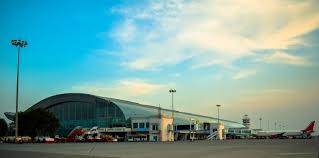
Amrisar Airport - Punjab
Sri Guru Ram Dass Jee International Airport, located in Amritsar, Punjab, is a major international gateway to North India. Named after the fourth Sikh Guru and founder of the city, the airport serves as a vital hub connecting Punjab with key domestic cities and international destinations

Nuclear Bomb - What if?
Nuclear weapons are stored and maintained under extremely rigorous security and safety protocols. The most effective protection remains prevention of nuclear conflict through international diplomacy, arms control agreements, and crisis management mechanisms.

Sikhism
Sikhism, though relatively young compared to other major world religions, has developed a rich theological tradition, distinctive cultural practices, and a global presence. Founded on principles of equality, service, and devotion, Sikhism continues to evolve while maintaining its core values.