

Indira Gandhi International Airport is as a testament to India's aviation prowess and Delhi's significance as the nation's capital. With its record-breaking passenger volumes, extensive global connectivity, and ambitious expansion plans, IGI Airport continues to set new benchmarks.
Indira Gandhi International Airport (DEL): India's Busiest Aviation Hub and Gateway to the World
Indira Gandhi International Airport (IGI Airport), serving India's national capital Delhi, stands as the country's premier aviation gateway and one of the world's busiest airports. Named after India's former Prime Minister Indira Gandhi, this world-class facility serves as the primary hub for India's political, commercial, and cultural capital. With ambitious expansion plans and cutting-edge infrastructure developments, IGI Airport continues to redefine aviation excellence in the region.
Overview and National Importance
IGI Airport represents the crown jewel of Indian aviation infrastructure, serving as the primary international gateway to India and the busiest airport in the country. The airport's strategic location in the National Capital Region (NCR) makes it an essential infrastructure asset for India's political and economic activities. Its significance extends beyond national boundaries, functioning as a critical hub for international diplomacy, business, and cultural exchange.
The airport operates under Delhi International Airport Limited (DIAL), a consortium led by GMR Infrastructure, which took over operations in 2006 under a long-term concession agreement. This public-private partnership model has enabled significant infrastructure development and operational efficiency improvements, positioning the airport among the world's leading aviation hubs.
Record-Breaking Performance and Statistics
Passenger Traffic Excellence
IGI Airport has achieved remarkable milestones in passenger traffic management, establishing new benchmarks for Indian aviation:
2024-25 Performance : In the financial year of 2024–25, the airport handled over 7.92 crore (79.2 million) passengers, the highest ever in the airport's history
Global Ranking : As of 2025, it is the ninth-busiest airport in the world, handling 77.8 million passengers in 2024, marking a 7.8 per cent increase from 2023
Consistent Growth : This represents a 13.6 per cent rise compared to 2019, indicating strong recovery and growth post-pandemic
Market Leadership : Delhi Airport remains India's busiest airport, significantly ahead of other Indian airports in terms of passenger volume
Infrastructure and Operational Capacity
Terminal Configuration
IGI Airport operates through a sophisticated multi-terminal system designed to handle massive passenger volumes efficiently:
Terminal 1 (T1) : Primarily serves domestic flights and is currently undergoing major expansion and upgrade works Terminal 2 (T2) : Handles domestic operations with modern facilities Terminal 3 (T3) : The airport's flagship international terminal, serving both domestic and international flights with world-class amenities
Runway Infrastructure
The airport features an advanced runway system supporting intensive operations:
Current Configuration : Three operational runways handling various aircraft types from regional jets to wide-body international aircraft Fourth Runway Development : DIAL is constructing a 4.4-kilometre-long fourth runway parallel to runway 11/29, which will be 4,400 m long and 75 m wide Capacity Enhancement : Once operational, IGI airport will have all four runways within a year, increasing flight handling capacity to well over 100 flights an hour while making it the only Indian airport to have four functional runways
Advanced Infrastructure Features
Elevated Taxiway : Delhi airport would become the first to have the country's first elevated taxiway system Automated People Mover : In September 2024, DIAL issued tenders for an elevated cum at-grade Automated People Mover (APM) system to be completed by the end of 2027. The 7.7 km line will have four stops — T2/3, T1, Aerocity and cargo city
Major Expansion Projects and Future Development
Terminal Expansion Plans
Terminal 1 Upgrade : Delhi's Indira Gandhi International Airport is undergoing a major expansion project by GMR which will see an expanded Terminal 1 (T1) in Palam
Terminal 4 Development : Under the expansion plans, the Delhi airport will get a new Terminal, T4, which is expected to be completed by 2025, increasing annual passenger traffic handling capacity from 20 million to 40 million passengers
Capacity Enhancement Projects
Integrated Development : The expansion includes upgraded facilities inside Terminal 3 (T3) and comprehensive infrastructure improvements Traffic Management : The new terminal (T4) will help in the reduction of airport traffic as it will serve specific flight categories
Connectivity and Airlines
Global Connectivity
Delhi International Airport is now connected to 150 destinations, establishing it as one of the world's most connected airports. The airport serves as a major hub connecting:
International Routes :
Asia-Pacific: Singapore, Bangkok, Hong Kong, Tokyo, Sydney, and other major cities
Middle East: Dubai, Doha, Abu Dhabi, Kuwait, Riyadh, and comprehensive Gulf connectivity
Europe: London, Frankfurt, Amsterdam, Paris, and other European capitals
North America: New York, Chicago, Toronto, and other major cities
Africa: Various destinations across the continent
Airlines and Operations
Major airlines operating from IGI Airport include:
International Carriers : Emirates, Qatar Airways, Etihad Airways, Singapore Airlines, British Airways, Lufthansa, Air France, KLM, Thai Airways, Turkish Airlines, and numerous other global carriers
Domestic Airlines : Air India, IndiGo, SpiceJet, GoAir, Vistara, and other Indian carriers providing comprehensive domestic connectivity
Cargo Operations : The airport serves as a major cargo hub with dedicated cargo terminals and facilities supporting India's international trade
Facilities and Passenger Services
Terminal Amenities
IGI Airport offers world-class passenger facilities designed to enhance the travel experience:
Shopping and Dining :
Extensive duty-free shopping areas with international brands
Luxury retail outlets and local Indian handicrafts
Diverse dining options from street food courts to fine dining restaurants
International cuisine and authentic Indian food options
Business and Connectivity :
Multiple business centers and conference facilities
High-speed Wi-Fi throughout all terminals
Charging stations and digital amenities
Currency exchange and comprehensive banking services
Premium Services and Lounges
The airport features multiple world-class lounges and premium services:
Airline Lounges : Premium lounges operated by major airlines for their elite passengers Independent Lounges : Multiple independent premium lounges accessible through various programs VIP Services : Comprehensive meet-and-greet services, fast-track immigration, and personalized assistance Special Services : Dedicated facilities for passengers with reduced mobility, unaccompanied minors, and elderly passengers
Health and Wellness Facilities
Medical centers with qualified healthcare professionals
Pharmacy services and emergency medical facilities
Prayer rooms for different faiths and meditation areas
Rest areas and sleeping pods for transit passengers
Transportation and Connectivity
Metro Connectivity
IGI Airport enjoys excellent connectivity through the Delhi Metro system:
Airport Express Line : Direct high-speed metro connectivity to central Delhi with stops at major business and residential areas Multiple Lines : Connections to various metro lines providing comprehensive city-wide connectivity Future Enhancements : The upgraded Bijwasan railway station (expected completion by December 2024) will connect to the Haryana Orbital Rail Corridor (expected completion by March 2025)
Road Connectivity
Highway Access : Direct connections to major highways including National Highway 8 and other arterial roads Express Routes : Multiple expressways providing quick access to different parts of Delhi and NCR Traffic Management : Well-designed approach roads with efficient traffic management systems
Public Transportation
Delhi Transport Corporation (DTC) : Regular bus services connecting the airport to various parts of Delhi State Transport : Interstate bus services connecting to neighboring states Private Shuttle Services : Hotel shuttles and private transport options
Taxi and Ride-Share Services
Licensed Taxis : Prepaid and metered taxi services with regulated pricing Ride-Sharing : Popular services like Uber, Ola, and other app-based transportation Luxury Car Services : Premium car rental and chauffeur services for business travelers Self-Drive Options : Car rental services from major international and domestic providers
Accommodation and Tourism
Nearby Hotels
The airport area offers extensive accommodation options across all categories:
Luxury Hotels :
Five-star properties within Aerocity with direct airport connectivity
Premium business hotels with conference facilities
International hotel chains offering world-class amenities
Business Hotels :
Mid-range properties suitable for business travelers
Hotels with meeting rooms and business centers
Quick access to airport terminals
Budget Accommodations :
Economic options for cost-conscious travelers
Hostels and budget hotels in nearby areas
Transit hotels for short stays
Tourism Gateway
IGI Airport serves as the primary entry point for tourists visiting Delhi and northern India:
Delhi Attractions :
Historical monuments like Red Fort, Qutub Minar, and India Gate
Religious sites including Lotus Temple and Akshardham
Cultural areas like Chandni Chowk and Connaught Place
Modern attractions and shopping districts
Golden Triangle Circuit : Primary access point for the famous Golden Triangle tourist circuit covering Delhi, Agra (Taj Mahal), and Jaipur
Northern India Access : Gateway to hill stations like Shimla, Manali, and Mussoorie, as well as pilgrimage sites in Uttarakhand and Himachal Pradesh
Environmental Initiatives and Sustainability
Solar Power and Green Initiatives
While not as extensively developed as some other Indian airports, IGI Airport has implemented various environmental initiatives:
Energy Efficiency : LED lighting systems and energy-efficient operations Waste Management : Comprehensive waste segregation and recycling programs Carbon Footprint Reduction : Various initiatives to reduce environmental impact Green Building Standards : Terminal construction and renovation following sustainable practices
Future Sustainability Plans
The airport's expansion projects incorporate modern environmental standards and sustainable design principles, positioning it for future environmental leadership.
Economic Impact and Cargo Operations
Economic Contribution
IGI Airport plays a crucial role in India's economy:
Facilitates international trade and diplomacy
Supports Delhi's position as India's political and administrative capital
Enables business travel and international commerce
Creates extensive employment opportunities across various sectors
Cargo and Logistics
The airport handles substantial cargo volumes, supporting India's international trade with dedicated cargo terminals and modern logistics facilities.
Operational Challenges and Solutions
Current Challenges
Runway Maintenance : Runway 28/10 at Indira Gandhi International Airport (IGIA) is scheduled to be closed from mid-June to mid-September 2025 for maintenance, which could result in approximately 100 daily flight cancellations or rescheduling
Capacity Management : Operating at high capacity levels requires sophisticated traffic management and coordination
Infrastructure Solutions
The ongoing expansion projects, including the fourth runway and additional terminals, are designed to address capacity constraints and improve operational efficiency.
Future Outlook and Development
Expansion Timeline
Short-term (2025-2027) :
Terminal 4 completion and operationalization
Fourth runway full operations
Automated People Mover system completion
Long-term Vision :
Enhanced capacity to handle over 100 million passengers annually
Advanced technology integration
Sustainable operations leadership
Strategic Positioning
IGI Airport is positioned to maintain its status as India's premier aviation gateway while competing with other major global hubs in the Asia-Pacific region.
Conclusion
Indira Gandhi International Airport stands as a testament to India's aviation prowess and Delhi's significance as the nation's capital. With its record-breaking passenger volumes, extensive global connectivity, and ambitious expansion plans, IGI Airport continues to set new benchmarks for aviation excellence in India and the region.
The airport's ongoing transformation through major infrastructure projects, including the fourth runway, Terminal 4 development, and advanced transportation systems, positions it for sustained growth and enhanced passenger experience. As India's busiest airport and the ninth-busiest globally, IGI Airport plays a crucial role in connecting India to the world while supporting the nation's economic, political, and cultural activities.
The combination of world-class facilities, strategic location, and continuous infrastructure development ensures that IGI Airport will remain at the forefront of Indian aviation, serving as a model for airport excellence and contributing significantly to India's position in global aviation.
More in delhi
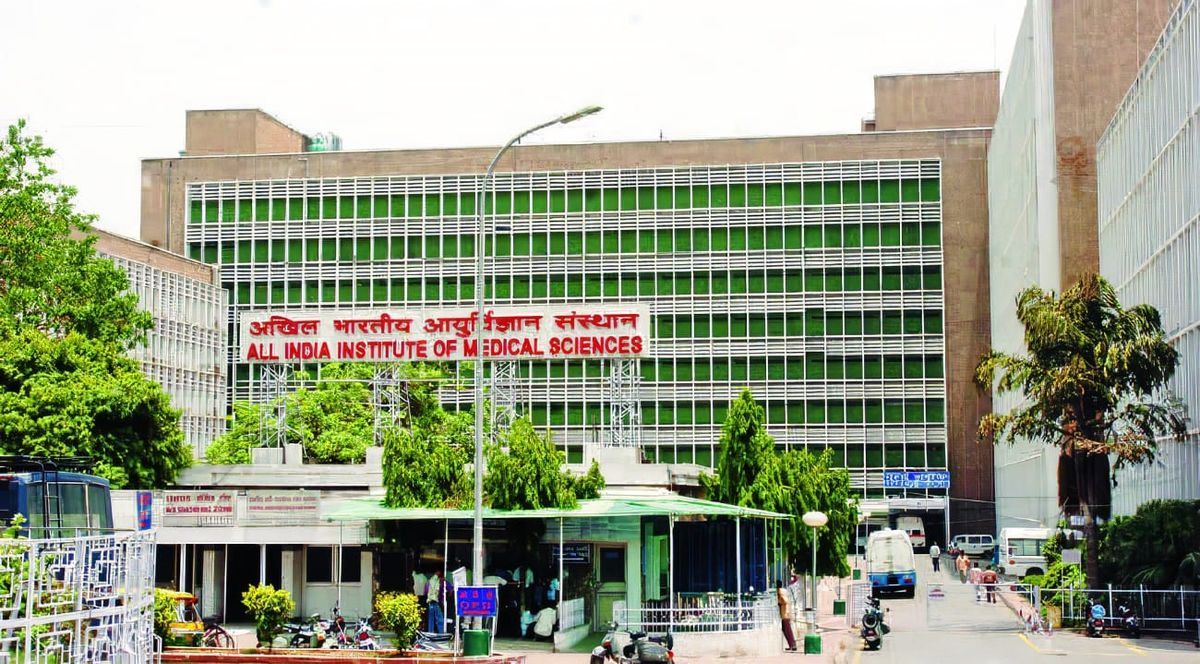
Delhi Hospitals
Delhi's healthcare system and hospitals encapsulates both the achievements and contradictions of Indian healthcare. While its premier institutions represent global standards in clinical excellence, significant portions of the population still struggle for access to basic services.

Delhi - New Delhi
Delhi navigates the complex challenge of preserving its layered heritage while developing the infrastructure needed for a 21st-century megacity. Delhi's significance extends beyond its administrative role, functioning as a living museum of Indian history serving.
More in indian airports

Indian Aviation Industry
India's aviation industry represents one of the most dynamic and rapidly evolving sectors in the global economy. From its humble beginnings as a niche transportation mode, it has transformed into a mass market industry serving hundreds of millions of passengers annually.
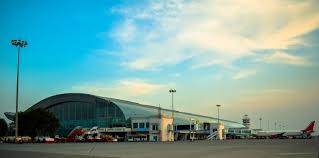
Amrisar Airport - Punjab
Sri Guru Ram Dass Jee International Airport, located in Amritsar, Punjab, is a major international gateway to North India. Named after the fourth Sikh Guru and founder of the city, the airport serves as a vital hub connecting Punjab with key domestic cities and international destinations
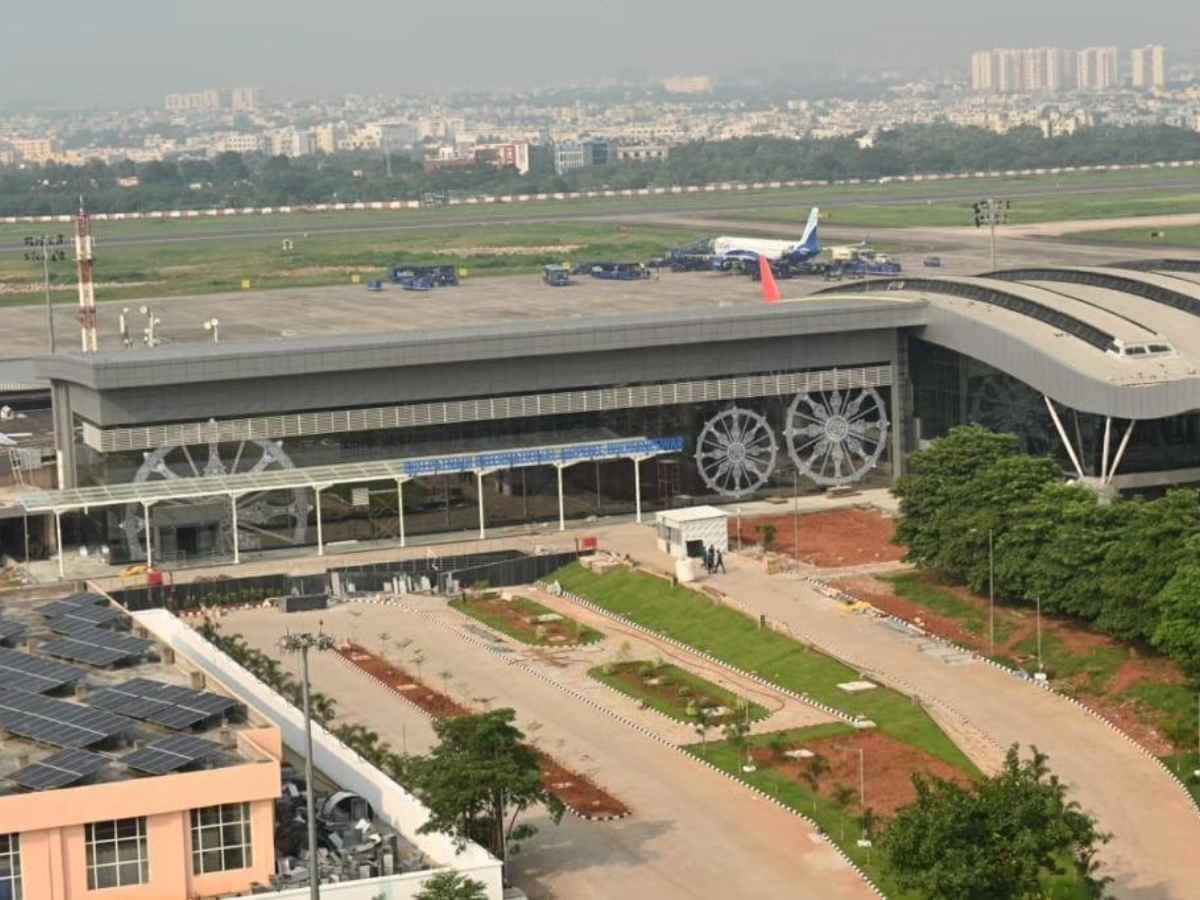
Bhubaneswar Airport - Odisha
With the recent expansion of route networks and the commitment to sustainable operations, Biju Patnaik International Airport is positioned for continued growth. The addition of new domestic routes in 2025 and the resumption of international services indicate strong market confidence.
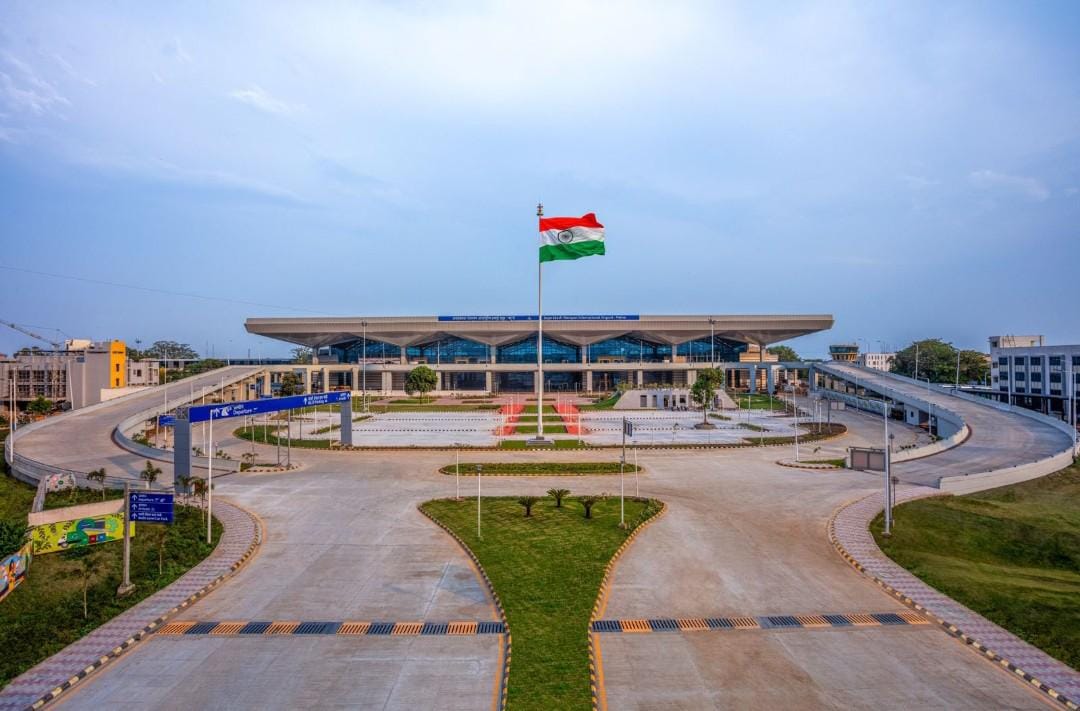
Patna Airport - Bihar India
Jay Prakash Narayan International Airport stands as a vital transportation hub for Bihar and the surrounding region, connecting one of India's most historically significant areas to the broader national and international aviation network.

Bengaluru Airport
Kempegowda International Airport stands as a remarkable example of modern aviation infrastructure that successfully integrates operational excellence, environmental sustainability & economic development. Its impressive growth trajectory, pioneering sustainability initiatives.

Hyderabad Airport
Rajiv Gandhi International Airport stands as a remarkable example of modern aviation infrastructure that successfully balances operational excellence, sustainability, and regional economic development. Its impressive growth trajectory, commitment to environmental responsibility.

Mumbai International Airport
Chhatrapati Shivaji Maharaj International Airport stands as a testament to India's aviation prowess and Mumbai's significance as a global city. With its impressive passenger volumes, extensive connectivity, and world-class facilities, CSMIA continues to serve as India's primary aviation gateway.

Cochin International Airport
Cochin International Airport stands as a testament to innovative airport management, environmental responsibility, and exceptional passenger service. Its achievement as the world's first fully solar-powered airport has set new standards for sustainable aviation infrastructure globally.