

From the bustling metropolises that pulse with economic energy to the ancient centers steeped in history and culture, India's cities are the vibrant heartbeats of this diverse nation. These urban landscapes are dynamic microcosm.
India's major cities are dynamic centers of population, politics, business, and culture, each contributing significantly to the nation's economy and identity.
From the bustling metropolises that pulse with economic energy to the ancient centers steeped in history and culture, India's cities are the vibrant heartbeats of this diverse nation. These urban landscapes are dynamic microcosms, where centuries-old traditions intertwine with the rapid pace of modernization. Each city possesses a unique character, shaped by its geography, history, and the confluence of communities that call it home. They are not just concrete jungles, but living entities that drive innovation, shape political discourse, and offer a kaleidoscope of experiences, from culinary delights to artistic expressions. Exploring India's cities is to witness the nation's multifaceted soul in concentrated form, a captivating journey through a land of contrasts and enduring spirit
Population: These cities are home to millions, with Mumbai, Delhi, and Kolkata being the largest metropolitan areas. This dense population drives economic activity but also presents challenges in terms of infrastructure and resource management.
Politics: As centers of administration and governance, these cities are politically influential. They host state and local government offices and play a vital role in shaping national policies.
Business and GDP: Major Indian cities are economic powerhouses, contributing a large share to India's GDP. They are hubs for various industries, from manufacturing and IT to finance and services.
Geography: Located across India's diverse landscape, these cities exhibit varied geographical features, from coastal plains to inland plateaus. Their location often influences their economic activities and cultural identities.
Industries: These cities are centers of industry, driving innovation and employment. Key sectors include information technology, manufacturing, finance, and tourism.
Food: A melting pot of cultures, each major city boasts a unique culinary scene. From street food to fine dining, the variety reflects the diverse tastes and traditions of India.
Transportation: Efficient transportation networks are crucial for these densely populated urban centers. They feature extensive road networks, bus services, and local trains to manage the daily commute.
Metro Facilities: To ease traffic congestion, many major cities have invested in metro rail systems. These rapid transit networks provide a fast and convenient way to travel within the city.
Train Stations: Major cities serve as crucial nodes in India's extensive railway network. Their train stations connect them to all corners of the country, facilitating long-distance travel and trade.
Airports: International and domestic airports in these cities provide connectivity to the rest of the world and within India, boosting tourism and business.

MumbaiPop. 12 million

BengaluruPop. 8.4 million

HyderabadPop. 6.8 million
LucknowPop. 4.0 million

BhopalPop. 1.8 million

SuratPop. 6.9 million

VisakhapatnamPop. 2.1 million

KolkataPop. 5.1 million

ChennaiPop. 6.7 million
AhmedabadPop. 5.6 million
IndorePop. 2.2 million
NashikPop. 1.5 million
Chandigarh
AgraPop. 1.6 million
JaipurPop. 3.1 million
PunePop. 3.1 million
PatnaPop. 2.0 million
MeerutPop. 1.6 million
LudhianaPop. 1.6 million
Jamshedpur
KanpurPop. 2.9 million
NagpurPop. 2.4 million
MaduraiPop. 1.0 million
Chhatrapati Sambhaji NagarPop. 1.2 million
VijayawadaPop. 1.0 million
AmritsarPop. 1.2 million
FaridabadPop. 1.4 million
New DelhiPop. 250,000
JodhpurPop. 1.7 million
VaranasiPop. 1.2 million
RajkotPop. 2.0 million
GuwahatiPop. 960,000
GhaziabadPop. 1.7 million
VadodaraPop. 3.1 million
KochiPop. 2.1 million
BhubaneswarPop. 840,000
PrayagrajPop. 1.5 million
JabalpurPop. 1.1 million
WarangalPop. 1.3 million
RaipurPop. 1.0 million
RanchiPop. 1.1 million
GwaliorPop. 2.0 million
UdaipurPop. 470,000
Thiruvananthapuram
ThanePop. 2.5 million
Pimpri-ChinchwadPop. 1.7 million
MysuruPop. 920,000
JalandharPop. 870,000
KotaPop. 1.0 million
DhanbadPop. 1.2 million
GurugramPop. 880,000
More in india
Indian Economy
The Indian economy presents a complex picture of impressive achievements alongside persistent challenges. Its strengths include a large, youthful population; a vibrant entrepreneurial ecosystem; strong service sectors; and accelerating digital adoption.

Nuclear Bomb - What if?
Nuclear weapons are stored and maintained under extremely rigorous security and safety protocols. The most effective protection remains prevention of nuclear conflict through international diplomacy, arms control agreements, and crisis management mechanisms.

Indian Entertainment
When one thinks of Indian entertainment on a global scale, Bollywood immediately springs to mind. Based primarily in Mumbai, the Hindi film industry is a behemoth, producing a vast number of films annually, often characterized by their vibrant musical numbers

Indian Industry
India's economy has evolved into a multifaceted system encompassing traditional sectors like agriculture and textiles, as well as cutting-edge industries such as pharmaceuticals, information technology, and renewable energy.

Latest News
The political landscape is currently abuzz with discussions surrounding upcoming state elections in several regions. Parties are actively campaigning, focusing on issues ranging from economic development and job creation to social welfare programs.

Union Territories of India
Union territories are federal territories governed directly by the Central Government of India. Some UTs have their own legislatures and elected governments, while others are administered by appointed administrators or lieutenant governors.
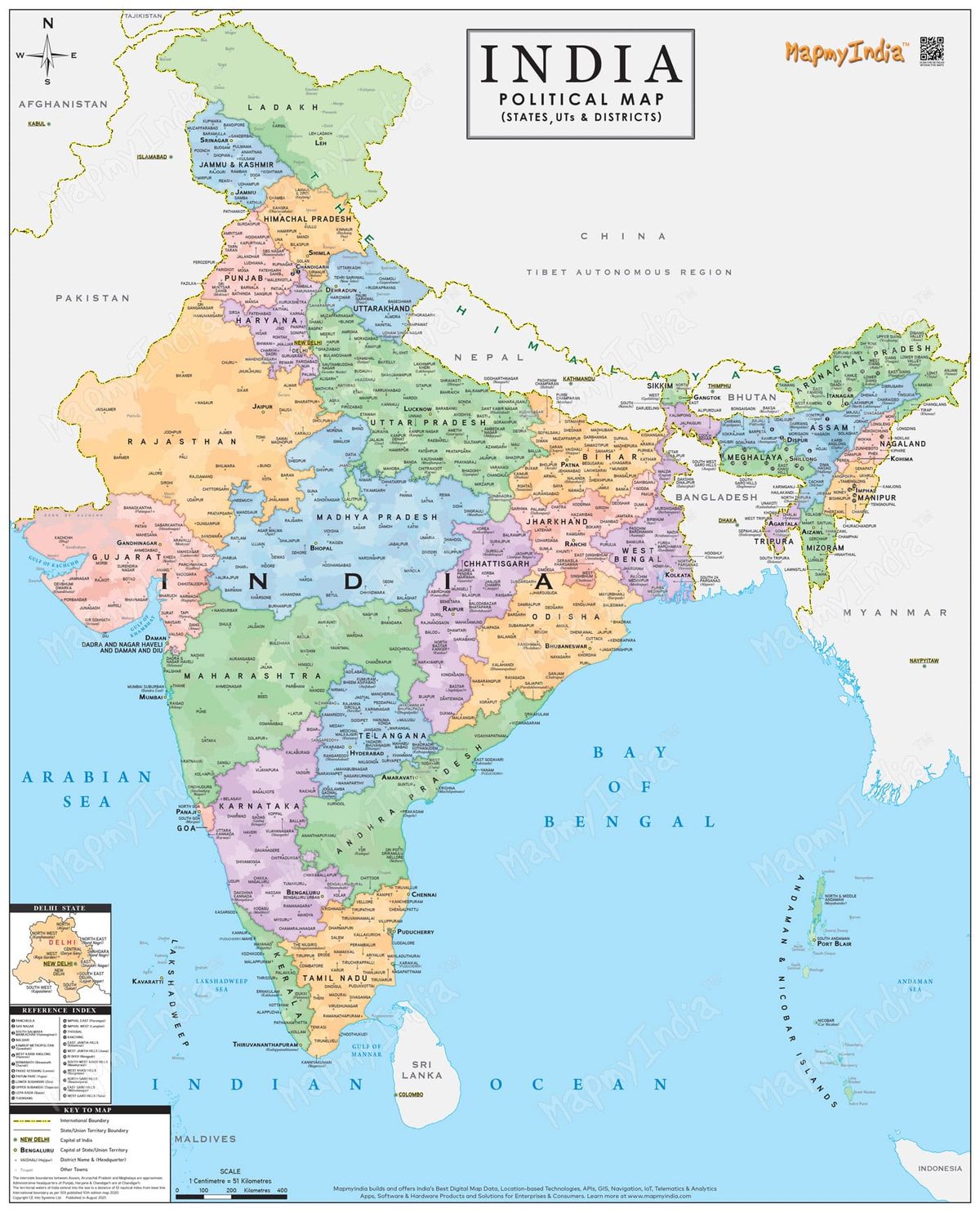
Indian States
India comprises 28 states and 8 union territories, each with unique geographical features, economic strengths, cultural heritage, and governance structures. Each of these administrative divisions contributes uniquely to the nation's vibrant mosaic.

Andaman and Nicobar Islands India
The history of the Andaman and Nicobar Islands is marked by isolation and late integration into the Indian mainland's narrative. Archaeological evidence suggests human habitation on these islands dating back several thousand years.
More in cities

Indian Airports
India has a vast and rapidly growing aviation sector, with numerous airports serving domestic and international travelers. The country has over 450 airports, including 34 international airports, 98 domestic airports, and several customs airports.

Capital Cities
The diverse collection of capital cities underscores the vastness and complexity of India, with each city playing a crucial role in the governance and identity of its respective state, contributing to the vibrant mosaic of the nation.