
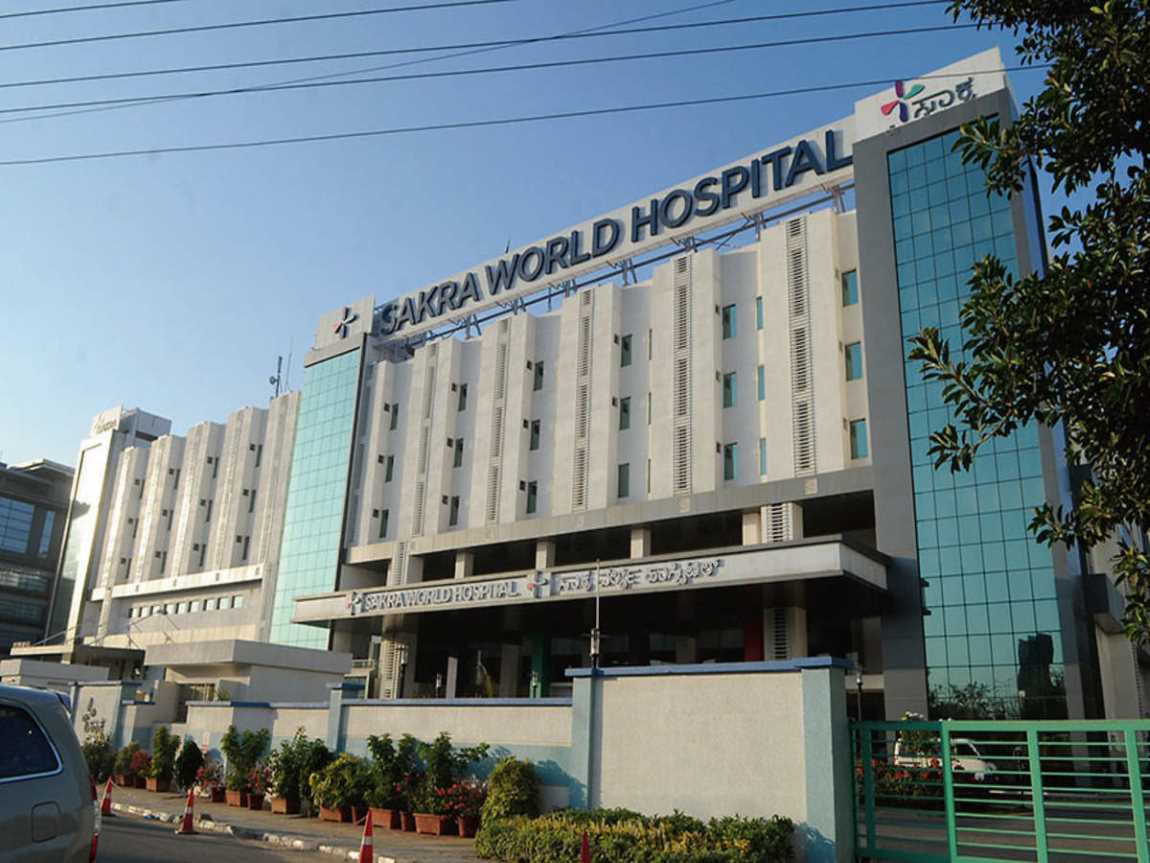
India's healthcare system presents a study in contrasts—world-class specialty hospitals alongside basic rural facilities, cutting-edge medical research alongside traditional healing practices, and luxury medical tourism alongside struggles for basic healthcare access.
The Healthcare Landscape of India: A Comprehensive Overview
India's healthcare system represents one of the most complex and rapidly evolving medical infrastructures in the world. With its unique blend of ancient healing traditions and cutting-edge modern medicine, immense scale, stark urban-rural divides, and dramatic contrasts between luxury medical tourism facilities and underserved communities, Indian healthcare offers a fascinating study in both achievements and challenges. This article examines the multifaceted healthcare ecosystem in India, highlighting its strengths, weaknesses, and future trajectory.
Hospital Infrastructure and Major Medical Centers
Government Hospital Network
India's public healthcare system is structured in a three-tier approach:
Primary Health Centers (PHCs) : Over 30,000 PHCs serve as the first point of contact, offering basic medical care in rural areas. Each typically serves 30,000 people in plains and 20,000 in hilly areas.
Community Health Centers (CHCs) : Approximately 6,000 CHCs function as referral units for 4-5 PHCs, offering specialized services including pediatrics, surgery, medicine, and obstetrics/gynecology.
District Hospitals : About 760 district and sub-district hospitals form the apex of the rural healthcare system, providing more advanced treatments and specialized care.
Major government hospitals that serve as tertiary care centers include:
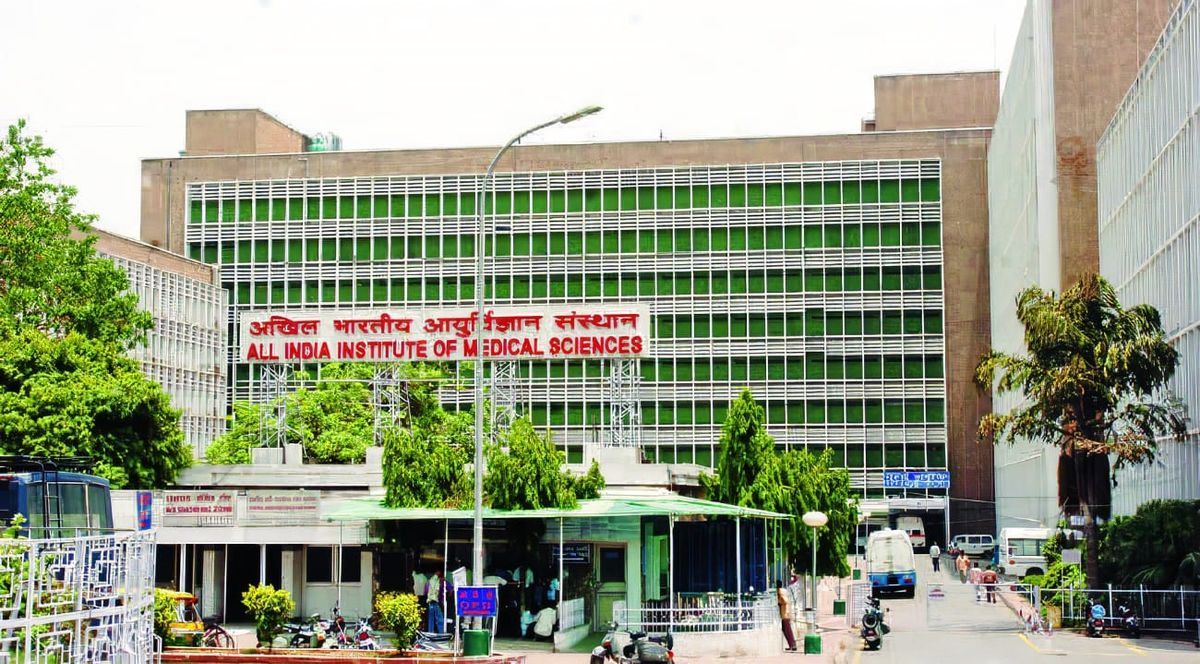
All India Institute of Medical Sciences (AIIMS), New Delhi : India's premier public healthcare institution, now replicated across 22 other cities
Post Graduate Institute of Medical Education and Research (PGIMER), Chandigarh
King George's Medical University, Lucknow
Seth G.S. Medical College and KEM Hospital, Mumbai
Christian Medical College, Vellore
Jawaharlal Institute of Postgraduate Medical Education & Research (JIPMER), Puducherry
These institutions handle complex cases, train medical professionals, and conduct cutting-edge research. However, they also face immense patient loads, with waiting periods often extending to months for specialized treatments.
Private Hospital Chains
The private sector dominates India's urban healthcare landscape, with several major hospital chains:
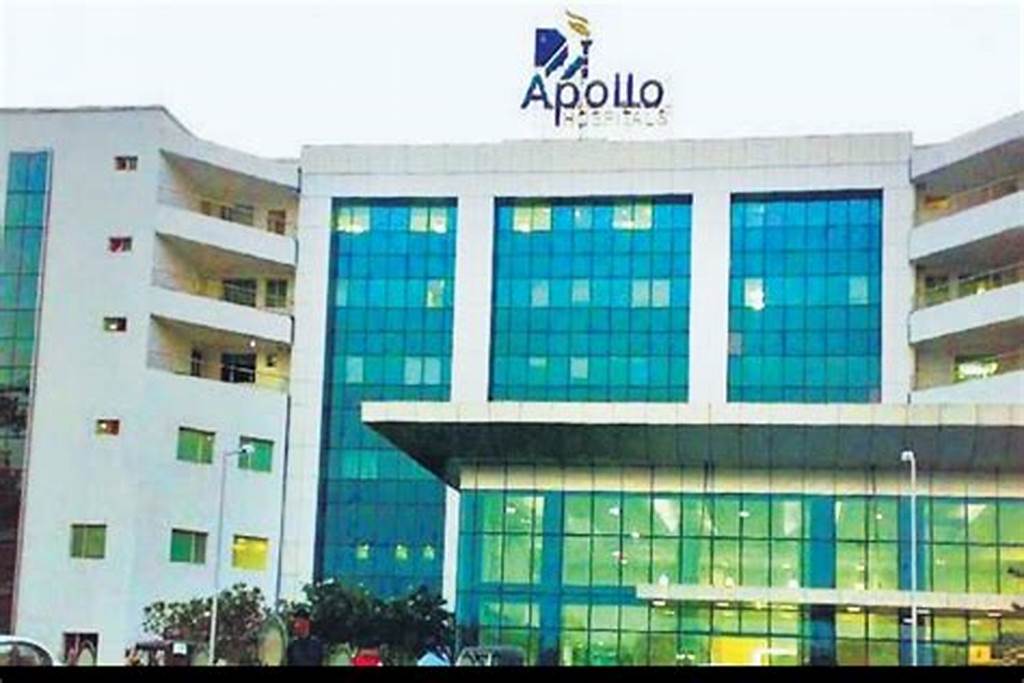
Apollo Hospitals : The pioneer in corporate healthcare in India with over 70 hospitals across the country
Fortis Healthcare : Operating 36 healthcare facilities primarily in Delhi NCR, Mumbai, Bengaluru, and Kolkata
Narayana Health : Founded by cardiac surgeon Dr. Devi Shetty, known for affordable cardiac care with 23 hospitals
Max Healthcare : Prominent in North India with 17 facilities
Manipal Hospitals : Strong presence in South India with 28 hospitals
Medanta : Multi-specialty medical institute headquartered in Gurugram
Wockhardt Hospitals : Specialized in cardiac and orthopedic care
Columbia Asia (now Manipal Hospitals): Known for mid-sized, efficient hospitals
These chains have revolutionized healthcare delivery with standardized protocols, modern infrastructure, and specialized treatments. However, their services remain unaffordable for a significant portion of the population.
Specialty Hospitals
Cancer Treatment Centers
India has developed specialized cancer treatment facilities to address the growing cancer burden:
Tata Memorial Center, Mumbai : The national comprehensive cancer center treating over 70,000 new patients annually
Rajiv Gandhi Cancer Institute, Delhi
Adyar Cancer Institute, Chennai
Kidwai Memorial Institute of Oncology, Bengaluru
Regional Cancer Centres : Network of 27 centers established by the government across different states
These institutions offer comprehensive cancer care including surgical oncology, radiation therapy, medical oncology, preventive oncology, and palliative care. Many have pioneered affordable treatment protocols suitable for resource-constrained settings.
Cardiac Care Centers
Heart disease remains India's leading cause of mortality, prompting specialized cardiac care facilities:
Narayana Hrudayalaya, Bengaluru : Performs the highest number of cardiac surgeries in the world
Escorts Heart Institute, Delhi
Asian Heart Institute, Mumbai
Medanta Heart Institute, Gurugram
Jayadeva Institute of Cardiovascular Sciences, Bengaluru
These centers have achieved international standards in cardiac procedures with success rates comparable to Western institutions, often at a fraction of the cost.
Other Specialty Centers
National Institute of Mental Health and Neurosciences (NIMHANS), Bengaluru : Premier institute for neurological and psychiatric disorders
L V Prasad Eye Institute, Hyderabad : Center of excellence in ophthalmology
AIIMS Trauma Center, Delhi : Largest dedicated trauma facility in India
Institute of Liver and Biliary Sciences, Delhi : Specialized in hepatology and liver transplantation
Ganga Ram Hospital, Delhi : Known for multi-organ transplants
Sankara Nethralaya, Chennai : Pioneer in eye care
Medical Human Resources
Doctors and Specialists
India has approximately 1.3 million registered allopathic doctors as of 2023. The doctor-to-population ratio stands at around 1:854, which falls short of the WHO recommendation of 1:1,000. However, this figure does not account for practitioners of traditional medicine systems.
Distribution remains a major challenge:
Urban areas have 1 doctor per 500 people
Rural areas have 1 doctor per 2,000+ people
Many rural PHCs operate without permanent doctors
Specialists are even more concentrated in urban centers, with critical shortages in disciplines like psychiatry (0.3 per 100,000 population), oncology, and neurosurgery in rural and semi-urban regions.
Nursing Professionals
India has approximately 3.2 million registered nurses and midwives, translating to about 1.7 nurses per 1,000 population—significantly below the WHO recommended 3 per 1,000.
Challenges in the nursing profession include:
High patient-to-nurse ratios (often 15-20:1 in government hospitals)
Wage disparities compared to global standards
Limited career advancement opportunities
Immigration drain with approximately 20,000 nurses leaving India annually for better opportunities abroad
Allied Health Professionals
India has made strides in recognizing and formalizing allied health professions:
Physiotherapists : Approximately 120,000 registered professionals
Laboratory Technicians : Around 200,000 professionals
Radiographers : Estimated 90,000 professionals
Optometrists : Approximately 45,000 professionals
Occupational Therapists : Around 10,000 professionals
Speech Therapists : Estimated 7,000 professionals
The Allied and Healthcare Professionals Bill, 2018, has helped standardize training and recognition for these professionals, though shortages remain acute, particularly in rural areas.
Medical Education and Training
Medical Colleges and MBBS Education
India has seen extraordinary growth in medical education infrastructure. As of 2023:
700+ medical colleges (government and private)
110,000+ MBBS seats annually
52,000+ postgraduate medical seats
This represents a doubling of capacity in just the past decade. Key institutions include:
AIIMS New Delhi and its 22 new branches across India
Armed Forces Medical College, Pune
Christian Medical College, Vellore
Maulana Azad Medical College, Delhi
Grant Medical College, Mumbai
Madras Medical College, Chennai
Challenges in medical education include:
Quality disparities between institutions
High capitation fees in some private colleges
Urban concentration of medical colleges
Theoretical emphasis over practical skills in many curricula
Nursing Education
Nursing education is delivered through:
2,200+ nursing schools offering Diploma in Nursing
1,900+ colleges offering Bachelor of Science in Nursing
700+ institutions offering Master's programs in nursing specialties
The Indian Nursing Council regulates these programs, though quality varies significantly between institutions.
Dental Education
India has witnessed rapid expansion in dental education:
315+ dental colleges
30,000+ BDS (Bachelor of Dental Surgery) seats annually
6,500+ MDS (Master of Dental Surgery) seats
With this expansion, India produces more dental graduates than the market can currently absorb, leading to unemployment concerns among recent graduates.
Traditional Medicine Education
India officially recognizes traditional medicine systems through the Ministry of AYUSH (Ayurveda, Yoga & Naturopathy, Unani, Siddha, and Homeopathy):
200+ Ayurveda colleges
50+ Unani medicine colleges
50+ Homeopathy colleges
10+ Siddha medicine colleges
20+ Naturopathy colleges
These institutions award degrees equivalent to conventional medical degrees for their respective systems of medicine.
Medical Treatments and Procedures
Surgical Capabilities
Indian hospitals perform an estimated 20 million major surgeries annually across various specialties:
Cardiac Surgery : India performs approximately 240,000 open heart surgeries annually, with several centers achieving mortality rates below 1% for coronary bypass surgeries
Orthopedic Surgery : Joint replacements (400,000+ annually) and spinal surgeries have seen significant growth
Neurosurgery : Advanced procedures including awake craniotomies and stereotactic surgeries are available at specialized centers
Transplant Surgery : India performs about 12,000 solid organ transplants annually, with liver and kidney transplants being most common
Minimally Invasive Surgery : Laparoscopic and robotic surgery available across major urban centers
The cost advantage is substantial—a coronary bypass that costs $100,000+ in the US typically costs $5,000-$10,000 in Indian private hospitals.
Cancer Treatments
India offers comprehensive cancer care including:
Surgical Oncology : Available at major centers with subspecialty focus
Radiation Therapy : Linear accelerators, tomotherapy, and gamma knife treatments available at specialized centers
Medical Oncology : Contemporary chemotherapy protocols with growing access to targeted therapies and immunotherapies
Bone Marrow Transplantation : Available at 65+ centers nationwide
Precision Oncology : Growing availability of genomic testing and personalized treatment planning at select centers
Challenges include the high cost of newer cancer drugs and late-stage presentation of many patients.
Plastic and Reconstructive Surgery
India has developed significant expertise in both reconstructive and cosmetic surgery:
Reconstructive Surgery : Particularly advanced in craniofacial reconstruction, post-burn care, and hand surgery
Cosmetic Surgery : Growing sector with approximately 900,000 cosmetic procedures performed annually
Major centers include:
Ganga Hospital, Coimbatore : Renowned for reconstructive microsurgery
Sankara Nethralaya, Chennai : Oculoplastic surgery
Sir Ganga Ram Hospital, Delhi : Comprehensive plastic surgery services
Amrita Institute of Medical Sciences, Kochi : Craniofacial surgery center
Dental Treatments
India offers comprehensive dental care through approximately 200,000 dental clinics nationwide:
General Dentistry : Widely available even in smaller towns
Orthodontics : Braces and aligners at 30-60% lower costs than Western countries
Implantology : Available in urban centers
Cosmetic Dentistry : Growing segment including veneers and smile design
The dental tourism sector attracts patients primarily from Middle Eastern and West Asian countries, offering savings of 70-80% compared to Western prices.
Pharmaceutical Industry and Medicine Access
Pharmaceutical Manufacturing
India's pharmaceutical industry represents a global powerhouse:
World's largest producer of generic medicines
Supplies over 60% of global vaccines
Accounts for 20% of global generic drug exports
3,000+ pharmaceutical companies operating 10,500+ manufacturing facilities
$45+ billion industry (2023 figures)
Major Indian pharmaceutical companies include:
Sun Pharmaceutical Industries
Cipla
Dr. Reddy's Laboratories
Lupin Limited
Aurobindo Pharma
Zydus Cadila
Medicine Accessibility
Despite being a pharmaceutical manufacturing hub, medicine access remains complex:
Essential Medicines : The National List of Essential Medicines (NLEM) covers 384 drugs with price controls
Jan Aushadhi Stores : Government initiative with 8,000+ stores selling generic medicines at 50-90% lower prices than branded counterparts
Out-of-pocket Spending : Despite initiatives, 65% of healthcare spending remains out-of-pocket, with medicines constituting the largest component
Challenges include:
Quality concerns with some smaller manufacturers
Availability gaps in rural areas
Limited insurance coverage for outpatient medications
Medical Diagnostics Sector
India's diagnostic sector has seen substantial growth:
Market size of approximately $10 billion (2023)
100,000+ laboratories nationwide
Major chains include Dr. Lal PathLabs, SRL Diagnostics, Metropolis Healthcare, and Thyrocare
Advanced diagnostic capabilities like genetic testing, digital pathology, and molecular diagnostics are increasingly available in metropolitan areas, though basic facilities predominate elsewhere.
Medical Tourism
India has emerged as a leading destination for medical tourism:
Market Size : Approximately $9 billion industry (pre-COVID, 2019)
Patient Volume : 700,000+ international patients annually (pre-COVID)
Primary Source Countries : Bangladesh, Afghanistan, Iraq, Maldives, Nigeria, Kenya, and GCC countries
Popular Treatments : Cardiac surgery, orthopedics, oncology, transplants, and fertility treatments
Cost Advantage : Typically 65-90% lower than US prices
Major medical tourism hubs include:
Delhi-NCR : Concentrated with corporate hospitals
Mumbai : Strength in advanced surgeries and oncology
Chennai : Known as the "Health City of India"
Bengaluru : Focus on cardiac care and neurosurgery
Hyderabad : Emerging destination with modern facilities
Specialized medical tourism facilitators and hospital international patient departments assist with logistics, accommodations, and post-treatment follow-up.
Health Insurance and Financing
Government Health Insurance Programs
The Indian government has implemented several major health insurance initiatives:
Ayushman Bharat Pradhan Mantri Jan Arogya Yojana (AB-PMJAY) : World's largest health insurance scheme covering 500 million vulnerable citizens with ₹5 lakhs ($6,000) annual coverage per family
Employees' State Insurance Scheme (ESIS) : Covers industrial workers earning up to ₹21,000 monthly
Central Government Health Scheme (CGHS) : For central government employees and pensioners
State Government Schemes : Many states operate their own health insurance programs
Private Health Insurance
Private health insurance covers approximately 18% of the population:
30+ companies offering health insurance products
Annual premium collection of $10+ billion
Growing at 20% annually
Average sum insured between ₹3-5 lakhs ($3,500-6,000)
Challenges include:
High claim rejection rates
Limited outpatient coverage
Pre-existing condition exclusions
Urban concentration of network hospitals
Preventive Healthcare
Immunization Programs
India operates one of the world's largest immunization programs:
Universal Immunization Programme : Targets 27 million newborns and 29 million pregnant women annually
Mission Indradhanush : Intensified immunization drive to reach unvaccinated children
COVID-19 Vaccination : Administered 2 billion+ doses in one of history's largest vaccination campaigns
Screening Programs
National health screening initiatives include:
National Programme for Prevention and Control of Cancer, Diabetes, Cardiovascular Diseases & Stroke (NPCDCS) : Screening for non-communicable diseases
National Tuberculosis Elimination Programme : Active case finding
National AIDS Control Programme : HIV testing and counseling
Health and Wellness Centers
Under Ayushman Bharat, India is converting 150,000 sub-centers and primary health centers into Health and Wellness Centers focusing on preventive care and health promotion.
Challenges in Indian Healthcare
Urban-Rural Divide
The disparity between urban and rural healthcare remains stark:
75% of healthcare infrastructure is concentrated in urban areas serving 30% of the population
Rural areas face critical shortages of specialists and advanced diagnostic capabilities
Transport infrastructure limitations complicate emergency medical access
Affordability Concerns
Despite government initiatives:
Catastrophic health expenditure pushes 7% of the population below the poverty line annually
65% of health expenses remain out-of-pocket
Specialized treatments remain financially inaccessible to middle and lower-income groups
Quality Standardization
Quality varies dramatically across facilities:
Only 2% of hospitals are accredited by the National Accreditation Board for Hospitals (NABH)
Limited enforcement of standard treatment protocols
Inconsistent infection control practices
Variable clinical outcomes reporting
Disease Burden and Epidemiological Transition
India faces a complex disease burden:
Persistent communicable diseases (tuberculosis, dengue, malaria)
Rising non-communicable diseases (diabetes, hypertension, cancer)
Emerging infectious threats
Mental health concerns affecting an estimated 150 million Indians
The Future of Indian Healthcare
Digital Health Initiatives
Technology is rapidly transforming Indian healthcare:
Ayushman Bharat Digital Mission : Creating a unified health ID and digital health records for all citizens
Telemedicine : Accelerated adoption post-COVID, with the government's eSanjeevani platform conducting 100+ million consultations
Artificial Intelligence : Growing applications in radiology, pathology, and clinical decision support
Mobile Health : Over 4,000 health apps addressing various needs from appointment booking to chronic disease management
Healthcare Startups Ecosystem
India's healthtech startup landscape is vibrant:
7,500+ healthtech startups
$4.4 billion in funding (2022)
Major segments include telemedicine, diagnostics, pharmacy delivery, and hospital management
Notable startups include Practo, PharmEasy, 1mg, and Netmeds, each valued at $500 million+.
Indigenous Medical Research and Development
India is strengthening its medical R&D capabilities:
Indian Council of Medical Research (ICMR) : Spearheading clinical research with 26 national institutes
Translational Health Science and Technology Institute : Focusing on interdisciplinary research
National Institute of Pharmaceutical Education and Research (NIPER) : Drug discovery and development
Indigenous vaccine development : Success demonstrated during COVID-19 with Covaxin
Policy Directions
Recent policy initiatives shaping the future include:
National Health Policy 2017 : Targets universal health coverage
National Medical Commission : Replacing Medical Council of India with reform-oriented regulatory framework
Production Linked Incentive Scheme : Boosting domestic manufacturing of medical devices
National Digital Health Blueprint : Framework for integrated digital health infrastructure
Conclusion
India's healthcare system presents a study in contrasts—world-class specialty hospitals alongside basic rural facilities, cutting-edge medical research alongside traditional healing practices, and luxury medical tourism alongside struggles for basic healthcare access. The country has made remarkable progress in expanding infrastructure, training healthcare professionals, and implementing health insurance programs. Yet challenges persist in addressing inequalities in access, standardizing quality, and making healthcare affordable for all segments of society.
The future trajectory appears promising with digital health initiatives, preventive care focus, and indigenous innovation poised to address long-standing challenges. The lessons from India's healthcare journey offer valuable insights for other developing nations navigating the complex path toward universal health coverage while balancing traditional practices with modern medicine.
As India continues its healthcare transformation, success will ultimately be measured not by the excellence of its premier institutions or the volume of its medical tourists, but by its ability to deliver quality, affordable healthcare to all 1.4 billion of its citizens, regardless of geography, socioeconomic status, or medical condition.
More in hospitals

Indian Health
India possesses a multi-tiered healthcare system comprising public and private sectors. The public system, funded through taxes, aims to provide free or subsidized care, particularly in rural areas, through a network of primary health centers, community health centers, and government hospitals.
More in indian hospitals
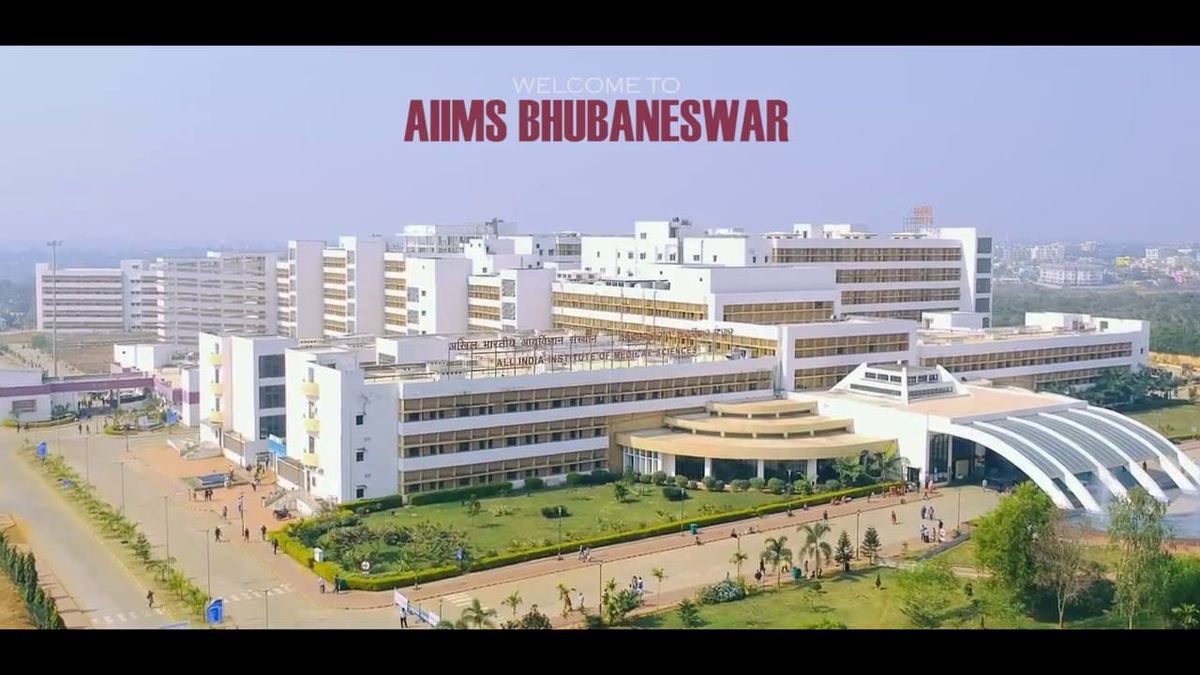
Bhubaneswar Hospitals
Bhubaneswar's land healthcare landscape has undergone a remarkable transformation over the past two decades, evolving from a city with limited medical facilities to an emerging healthcare hub for eastern India with the establishment of AIIMS Bhubaneswar.
Pune Hospitals
Pune's healthcare landscape and hospitals represents a dynamic ecosystem that combines academic excellence, clinical expertise, technological innovation, and cultural sensitivity. As Maharashtra's cultural and educational capital, Pune has developed healthcare infrastructure
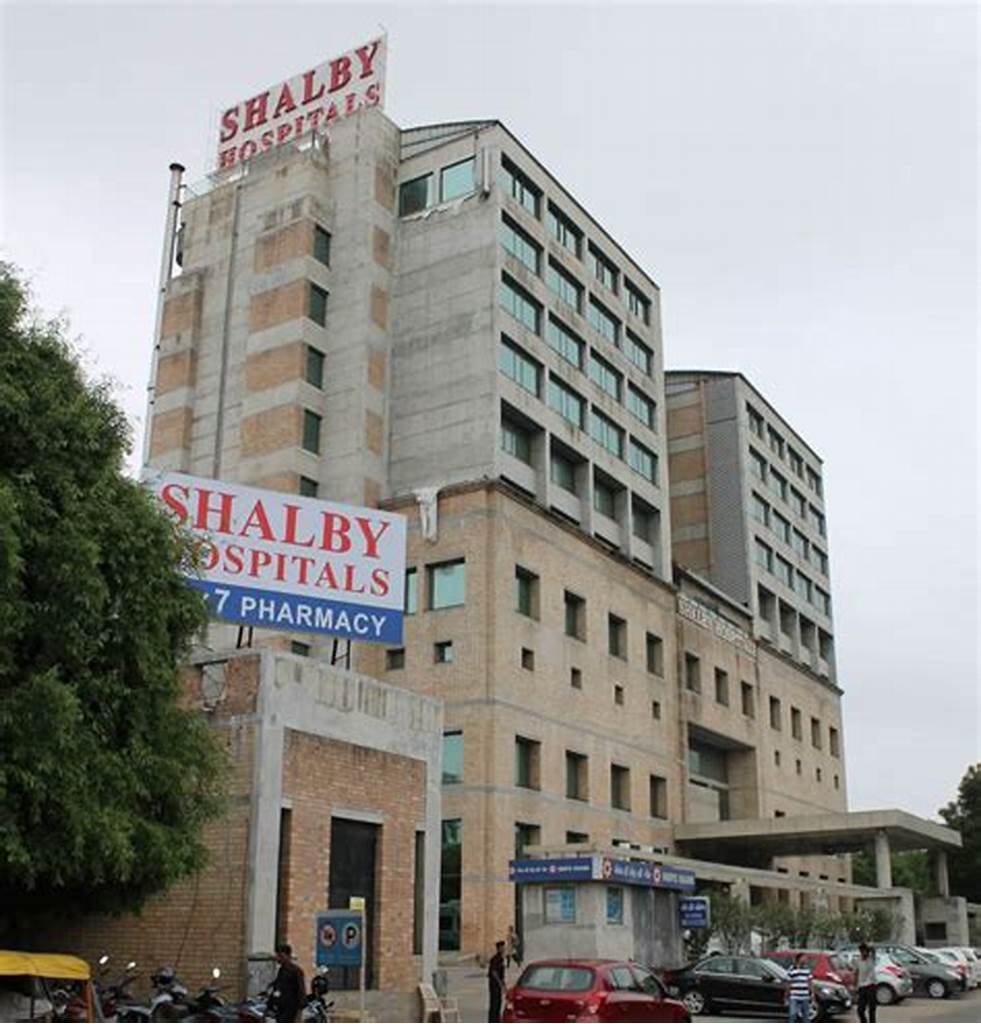
Ahmedabad Hospitals
Ahmedabad's healthcare landscape and hospitals represents a dynamic ecosystem that combines traditional strengths with modern innovations. Ahmedabad has developed healthcare infrastructure that serves not only its residents but also patients from surrounding regions and international destinations.
Kolkata Hospitals
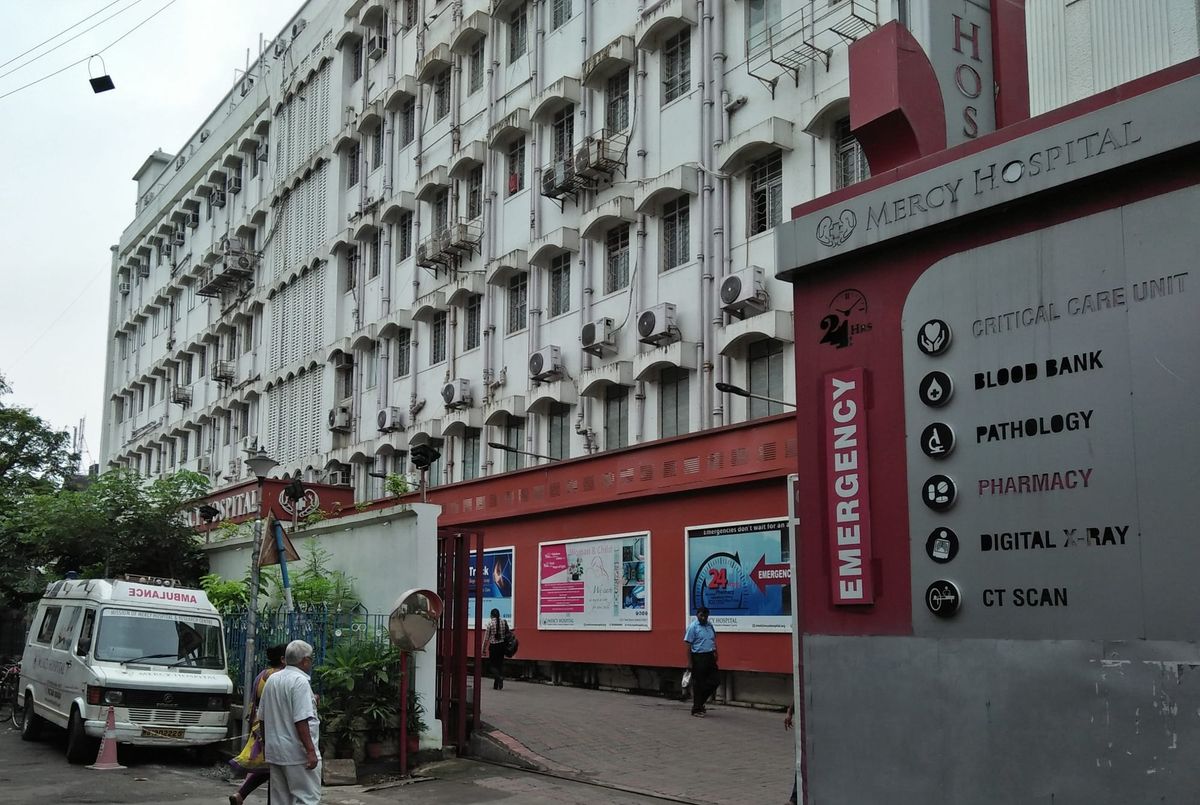
Kolkata's healthcare ecosystem and hospitals represents a microcosm of India's broader healthcare landscape – showcasing impressive advancements alongside persistent challenges with its blend of historical medical institutions, modern facilities, and emerging technologies.
Delhi Hospitals
Delhi's healthcare system and hospitals encapsulates both the achievements and contradictions of Indian healthcare. While its premier institutions represent global standards in clinical excellence, significant portions of the population still struggle for access to basic services.
Hyderabad Hospitals
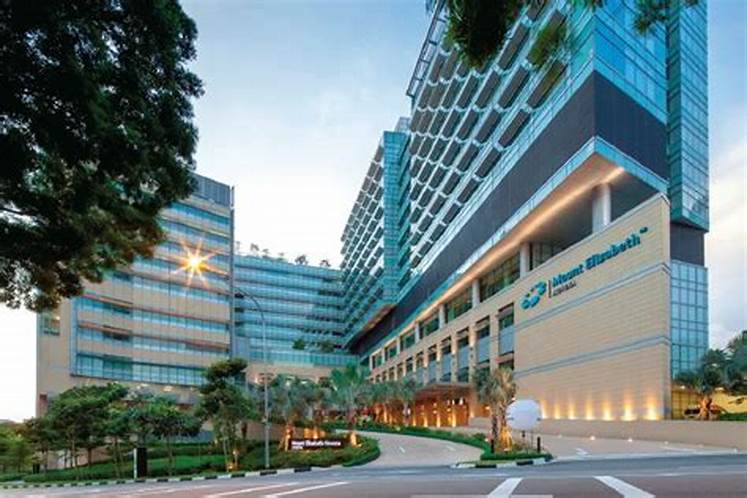
Hyderabad's healthcare system and hospitals, exemplifies the progress and challenges of Indian healthcare in the 21st century. While its leading institutions compete with global standards in clinical excellence and technological adoption.
Chennai Hospitals
Chennai's healthcare system with major hospitals, exemplifies both the progress and challenges of Indian healthcare. With global standards in clinical excellence and technological adoption, the city continues to address fundamental questions of access, affordability, and equitable distribution.
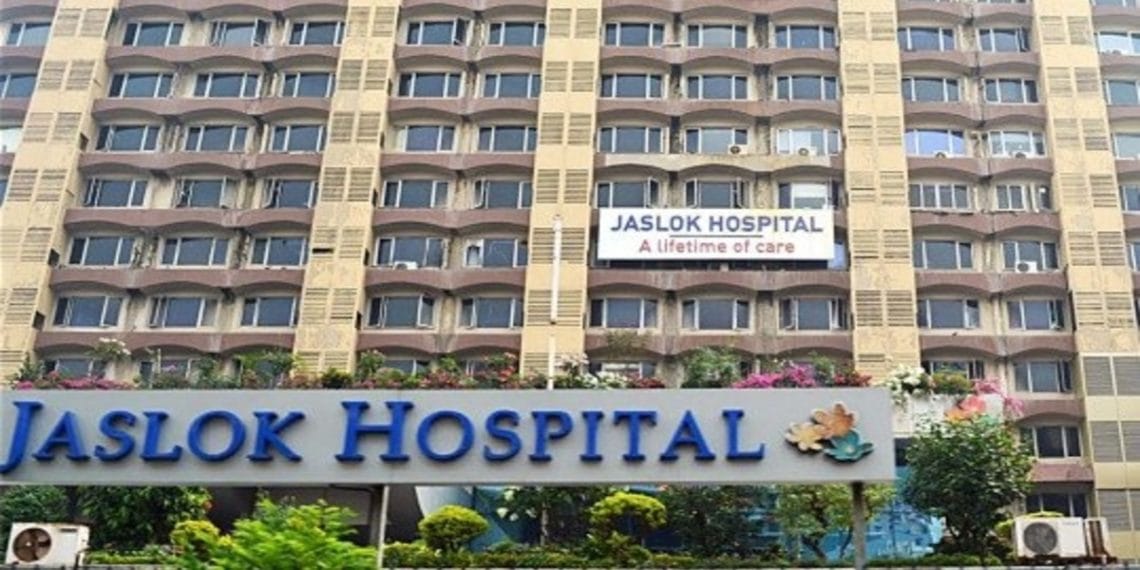
Mumbai Hospitals
Mumbai's hospitals and healthcare system reflects both India's aspirations and challenges in healthcare delivery. While home to institutions that match global standards, the city continues to address fundamental questions of access, affordability, and equity.
More in kerala hospitals
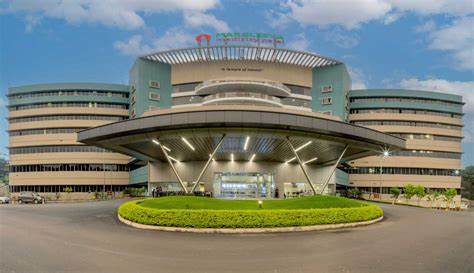
Kerala Hospitals
Kerala's healthcare model, combining accessibility, quality, world class hospitals, and inclusivity, continues to evolve as a notable example within India's diverse healthcare landscape, positioning the state as both a healthcare provider and innovator in the coming decades.