

India, the birthplace of several major world religions and a vibrant melting pot of faiths, presents a unique spectacle of devotion. The multitude of religions coexisting in India, with their diverse practices and traditions, creates a unique and often awe-inspiring cultural landscape
Faith in Full Flow: Indian Religions, Devotion, and the Dynamics of Crowds
India, the birthplace of several major world religions and a vibrant melting pot of faiths, presents a unique spectacle of devotion. Hinduism, Islam, Christianity, Sikhism, Buddhism, Jainism, and Zoroastrianism thrive here, each with its distinct followers, practices, and sacred spaces. The unwavering faith of devotees often manifests in large gatherings at temples, mosques, and churches, creating powerful displays of religious fervor, but also posing significant challenges in terms of crowd management and safety.
A Mosaic of Beliefs and Practices:
Hinduism: The majority religion, with a vast pantheon of gods and goddesses. Practices include daily prayers (puja), visiting temples, observing festivals like Diwali, Holi, and Navaratri, and undertaking pilgrimages to sacred sites like Varanasi (Kashi Vishwanath Temple) , Tirupati (Venkateswara Temple) , and Vaishno Devi .
Islam: The second-largest religion, with a strong emphasis on the oneness of Allah and the teachings of Prophet Muhammad. Practices include daily prayers (Namaz) in mosques, observing Ramadan, and visiting significant mosques like the Jama Masjid in Delhi , the Mecca Masjid in Hyderabad , and the Bara Imambara in Lucknow .
Christianity: With a history in India stretching back centuries, Christians engage in church services, prayer, and celebrate festivals like Christmas and Easter. Prominent churches include the Basilica of Bom Jesus in Goa , the St. Thomas Syro-Malabar Cathedral in Kochi , and the Santhome Cathedral Basilica in Chennai .
Sikhism: Founded on the teachings of Guru Nanak, Sikhs practice devotion through prayer, community service (seva), and visiting Gurudwaras, the most revered being the Golden Temple (Harmandir Sahib) in Amritsar .
Buddhism: Originating in India, Buddhism emphasizes the path to enlightenment. Followers engage in meditation, follow ethical principles, and visit sacred sites like Bodh Gaya (Mahabodhi Temple) and Sarnath .
Jainism: Known for its strict adherence to non-violence (ahimsa), Jain practices include meditation, fasting, and veneration of Tirthankaras in temples like the Dilwara Temples in Rajasthan and the Gomateshwara Temple in Karnataka .
Zoroastrianism: Though a smaller community, Zoroastrians maintain their ancient traditions of fire worship in Agiaries (fire temples) and continue their cultural practices.
The Contributions of Devotees:
The unwavering faith of devotees fuels the upkeep and vibrancy of religious institutions. Contributions range from monetary donations and volunteering time for temple, church, or mosque maintenance to organizing community meals (langar in Sikhism) and participating in religious processions. The collective devotion creates a strong sense of community and shared identity.
The Spectacle of Crowds and Pilgrimages:
Religious sites in India often witness massive gatherings, especially during festivals and auspicious times. Pilgrimages (yatras) are an integral part of many faiths, with millions undertaking arduous journeys to holy sites. Events like the Kumbh Mela , a massive Hindu pilgrimage, attract tens of millions of people, making it one of the largest human gatherings on Earth. Similarly, the annual feast at the Basilica of Our Lady of Good Health in Velankanni draws huge crowds of Christian pilgrims. During Islamic festivals like Eid, major mosques see an outpouring of devotees.
The Peril of Stampedes:
The sheer volume of people congregating at religious sites, while a testament to their faith, unfortunately, carries the risk of stampedes. Overcrowding, inadequate infrastructure, and lapses in crowd management have tragically led to stampedes at various religious events in India, resulting in significant loss of life. Ensuring the safety and well-being of devotees remains a critical challenge for authorities and temple/church/mosque administrations. Improved crowd control measures, better infrastructure, and public awareness campaigns are crucial to prevent such incidents.
Finding Harmony in Diversity:
Despite the challenges posed by large gatherings, the overwhelming spirit at these religious sites is one of faith, devotion, and community. The multitude of religions coexisting in India, with their diverse practices and traditions, creates a unique and often awe-inspiring cultural landscape While the management of crowds and the prevention of tragedies remain paramount, the enduring faith and the vibrant expressions of devotion continue to be a defining characteristic of India's spiritual heart.
More in culture

People of India
The Indian way of life defies simple characterization, embodying both timeless continuity and dynamic change. What remains consistent is the extraordinary capacity for synthesis—integrating new influences while maintaining core cultural values.

Buddism
Buddhism's journey from its origins under the Bodhi tree in India to a global spiritual, philosophical, and cultural force demonstrates its remarkable adaptability and enduring relevance of Buddha's insights into human suffering and the path to its cessation.
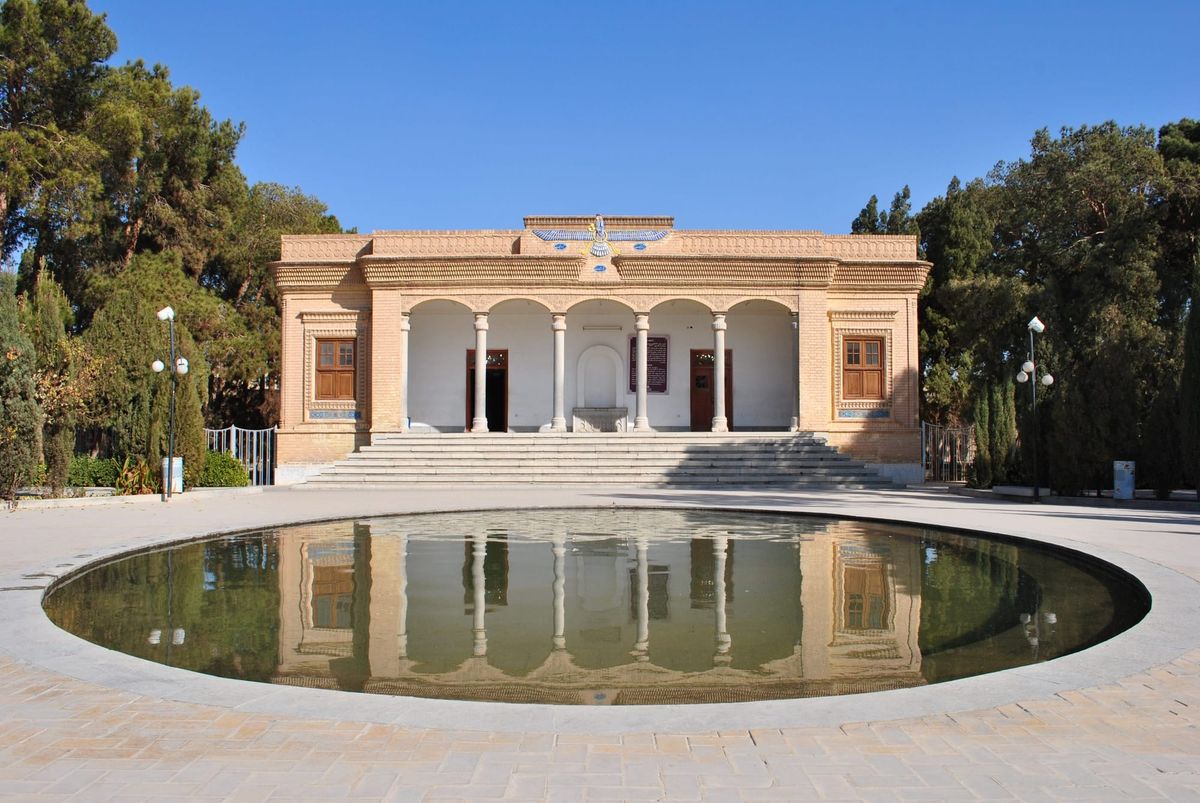
Parsi People
Known for their distinctive religious practices, entrepreneurial acumen, philanthropy, and contributions to India's development, the Parsi community represents one of the world's most remarkable examples of a cultural minority.

Saurashtrians
What makes the Saurashtrian community particularly fascinating is their journey from Gujarat to southern India, their preservation of language and traditions in new environments, and their significant contributions to textile arts, particularly silk weaving.

Sikhism
Sikhism, though relatively young compared to other major world religions, has developed a rich theological tradition, distinctive cultural practices, and a global presence. Founded on principles of equality, service, and devotion, Sikhism continues to evolve while maintaining its core values.

Indian Muslims
Islam in India represents a diverse, complex, and vibrant religious tradition that has been an integral part of the Indian civilization for centuries. From magnificent architectural marvels to profound contributions in literature, arts, sciences, and governance.

Christianity in India
Christianity in India, despite being a minority faith, has contributed significantly to the nation's development, particularly through educational and healthcare institutions. The diverse denominational landscape reflects both ancient indigenous traditions and more recent missionary influences.

Indian Holidays
India’s holidays are more than cultural events—they are essential to its social identity, religious plurality, economic activity, and global soft power. Each festival is a lens through which one can witness the warmth, diversity, and complexity of Indian life.
More in religion

Jainism
Jainism represents one of humanity's most distinctive spiritual traditions, with its radical emphasis on non-violence, ethical living, and philosophical pluralism. Jain's impact on Indian civilization and environmental ethics, vegetarianism, and pluralism has been profound.
More in festivals

Indian Festivals
India's festivals and pilgrimages represent living traditions that have continuously evolved over millennia while maintaining core spiritual and cultural elements. They serve multiple functions simultaneously: reinforcing community bonds, preserving cultural heritage.

Indian Entertainment
When one thinks of Indian entertainment on a global scale, Bollywood immediately springs to mind. Based primarily in Mumbai, the Hindi film industry is a behemoth, producing a vast number of films annually, often characterized by their vibrant musical numbers