

From bustling urban centers to serene pilgrimage sites, the country's transportation infrastructure and hospitality services cater to a diverse range of travelers. However, challenges such as safety concerns and infrastructural strain persist. 🧳 Travel Industry Overview
India's travel industry is a dynamic and multifaceted sector, encompassing a rich tapestry of cultural, spiritual, and adventure experiences. From bustling urban centers to serene pilgrimage sites, the country's transportation infrastructure and hospitality services cater to a diverse range of travelers. However, challenges such as safety concerns and infrastructural strain persist.
🧳 Travel Industry Overview
In 2023, India witnessed approximately 2.5 billion domestic tourist visits, marking a 45% increase from the previous year. Foreign exchange earnings from tourism reached USD 28.08 billion, reflecting a 31.5% growth compared to 2022. Air travel dominated, accounting for 79.4% of foreign tourist arrivals, with 57.2% landing in Delhi and Mumbai .
🛕 Pilgrimage Tourism
Religious tourism is a significant segment, generating USD 10.8 billion in 2024 and projected to reach USD 28.9 billion by 2030 . Key pilgrimage sites include Varanasi, Amritsar, Tirupati, and the Char Dham circuit. However, security concerns have arisen, as evidenced by the April 2025 attack in Kashmir's Baisaran meadow, where gunmen killed 26 tourists, predominantly Hindu men, highlighting vulnerabilities in pilgrimage routes .
🥾 Trekking and Adventure Tourism
India offers diverse trekking destinations, from the Himalayas to the Western Ghats. Popular treks include:
Markha Valley Trek : Known for its scenic beauty and cultural richness.
Goechala Trek : Offers panoramic views of the Kanchenjunga range.
Kodachadri Trek : Features lush forests and historical temples .
These treks cater to both novice and experienced trekkers, contributing to the growth of adventure tourism in the country.
🚆 Train Travel
Indian Railways, one of the world's largest rail networks, is undergoing modernization with an investment exceeding USD 22 billion in the current fiscal year. Initiatives include the introduction of Vande Bharat trains and extensive electrification projects . In 2024, to accommodate festival travel demand, over 13,500 special train services were operated .
🚌 Bus Travel
Intercity bus travel remains a vital mode of transportation. According to redBus' Q3 2024 report, the majority of passengers fall within the 18-36 age group, with a significant preference for online bookings . The sector is adapting to digital trends, enhancing accessibility and convenience for travelers.
✈️ Air Travel and Airports
India hosts 33 international airports, including major hubs like Indira Gandhi International Airport (Delhi) and Chhatrapati Shivaji Maharaj International Airport (Mumbai) . In April 2024, the busiest domestic route was Mumbai to Delhi, with nearly 110 flights daily . However, geopolitical tensions have led to temporary closures of 18 airports, including Delhi, affecting over 200 flights .
🚗 Road Safety and Seat Belt Usage
Road safety remains a concern, with over 155,000 fatalities reported in 2021. A significant issue is the low compliance with rear seat belt usage; a survey indicated that 70% of Indian passengers neglect to wear seat belts in the back seat, contributing to the high fatality rate .
🏨 Travel Companies and Hospitality Industry
The hospitality sector in India is projected to reach USD 281.83 billion in 2025, growing at a CAGR of 13.96% to USD 541.70 billion by 2030 . Leading travel agencies include Riya Travel & Tours, recognized as India's Leading Travel Agency in 2024 . Online platforms like MakeMyTrip have also seen substantial growth, capitalizing on the post-pandemic travel resurgence .
Indian Travel: Infrastructure and Risks
Pilgrimages: Char Dham Yatra (250,000+ pilgrims), Ajmer Sharif, Golden Temple.
Trekking: Himalayas (Triund), Western Ghats (Kodachadri).
Train Travel: 23 million daily passengers; luxury trains like Palace on Wheels.
Bus Travel: State-run (TSRTC) and private sleeper buses; poor safety standards.
Air Travel: 8th-largest aviation market; IndiGo (60% domestic share).
International Airports: Delhi (IGI), Mumbai (Chhatrapati Shivaji), Bengaluru (Kempegowda), Hyderabad Airport and Cochin Airport.
Major Railway Stations: Howrah (Kolkata), Chhatrapati Shivaji Terminus (Mumbai).
Travel Adoption: 2.4 billion domestic trips in 2023; “workations” trend post-COVID.
Accidents: 150,000 road deaths/year; 62% due to speeding.
Seat Belt Aversion: Only 27% rear-seat usage; 40% fatalities in back seats mainly without seat belsts.
Travel Companies: MakeMyTrip, Yatra, EaseMyTrip dominate bookings.
Hotels/Resorts: Taj, Oberoi, Tree of Life for luxury; OYO for budget stays.
🧭 Conclusion
India's travel industry is experiencing robust growth, driven by domestic tourism, religious pilgrimages, and adventure travel. While infrastructure and digital advancements are enhancing the travel experience, addressing safety concerns and ensuring sustainable practices remain critical for the sector's continued success.
More in travel

Indian Aviation Industry
India's aviation industry represents one of the most dynamic and rapidly evolving sectors in the global economy. From its humble beginnings as a niche transportation mode, it has transformed into a mass market industry serving hundreds of millions of passengers annually.

Cochin International Airport
Cochin International Airport stands as a testament to innovative airport management, environmental responsibility, and exceptional passenger service. Its achievement as the world's first fully solar-powered airport has set new standards for sustainable aviation infrastructure globally.

Indian Railways
Indian Railways transcends its role as a mere transportation system—it represents India's journey of progress and serves as a testament to the nation's engineering capabilities and organizational strength.

Indian Airports
India has a vast and rapidly growing aviation sector, with numerous airports serving domestic and international travelers. The country has over 450 airports, including 34 international airports, 98 domestic airports, and several customs airports.
More in airports

Air India Accident - Thu, June 12, 2025
The Air India tragedy in Ahmedabad underscores the complex relationship between aviation, urban development, and public safety. While we cannot eliminate all risks associated with air travel, we can work to minimize the impact on communities.
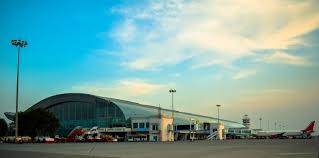
Amrisar Airport - Punjab
Sri Guru Ram Dass Jee International Airport, located in Amritsar, Punjab, is a major international gateway to North India. Named after the fourth Sikh Guru and founder of the city, the airport serves as a vital hub connecting Punjab with key domestic cities and international destinations

Bhubaneswar Airport - Odisha
With the recent expansion of route networks and the commitment to sustainable operations, Biju Patnaik International Airport is positioned for continued growth. The addition of new domestic routes in 2025 and the resumption of international services indicate strong market confidence.
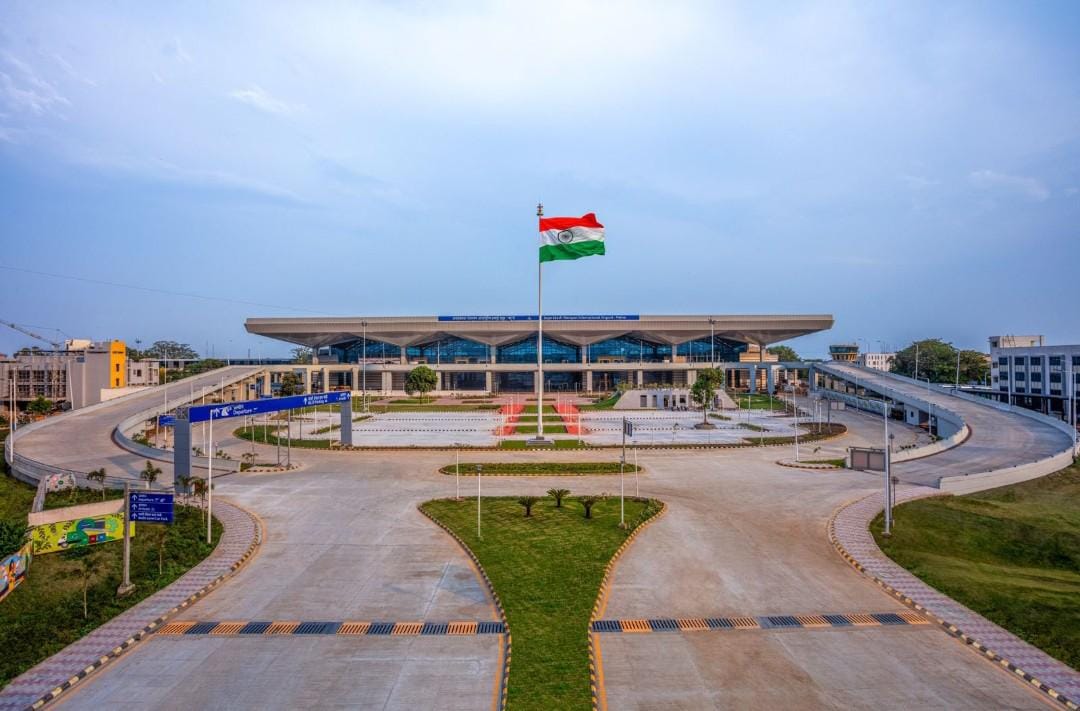
Patna Airport - Bihar India
Jay Prakash Narayan International Airport stands as a vital transportation hub for Bihar and the surrounding region, connecting one of India's most historically significant areas to the broader national and international aviation network.

Bengaluru Airport
Kempegowda International Airport stands as a remarkable example of modern aviation infrastructure that successfully integrates operational excellence, environmental sustainability & economic development. Its impressive growth trajectory, pioneering sustainability initiatives.

Hyderabad Airport
Rajiv Gandhi International Airport stands as a remarkable example of modern aviation infrastructure that successfully balances operational excellence, sustainability, and regional economic development. Its impressive growth trajectory, commitment to environmental responsibility.

Delhi Airport
Indira Gandhi International Airport is as a testament to India's aviation prowess and Delhi's significance as the nation's capital. With its record-breaking passenger volumes, extensive global connectivity, and ambitious expansion plans, IGI Airport continues to set new benchmarks.

Mumbai International Airport
Chhatrapati Shivaji Maharaj International Airport stands as a testament to India's aviation prowess and Mumbai's significance as a global city. With its impressive passenger volumes, extensive connectivity, and world-class facilities, CSMIA continues to serve as India's primary aviation gateway.