

Indore represents the success story of a tier-two Indian city that has leveraged its entrepreneurial spirit, strategic location, and cultural heritage to create a vibrant urban center with high quality of life. From its remarkable cleanliness achievements to its mouth-watering cuisine
Indore: The Commercial Capital of Madhya Pradesh
Indore, the largest city in Madhya Pradesh, represents the beating commercial heart of central India. Often called "Mini Mumbai" for its entrepreneurial spirit and bustling markets, Indore has transformed from a historic trading outpost into a vibrant urban center that balances tradition and modernity with remarkable grace. This city, known for its cleanliness, food culture, and business acumen, offers a comprehensive glimpse into the evolving face of tier-two cities in contemporary India.
Geography and Climate
Indore is situated on the Malwa Plateau in the western part of Madhya Pradesh, at an elevation of 553 meters (1,814 feet) above sea level. The city is located approximately 190 km west of the state capital, Bhopal.
The climate of Indore is characterized by:
Summer (March to June): Hot and dry with temperatures reaching 42°C
Monsoon (July to September): Moderate rainfall averaging 945 mm annually
Winter (November to February): Mild and pleasant with temperatures between 8-28°C
Being located in a central plateau region, Indore does not experience cyclones like coastal regions of India. However, the city does face occasional flooding during heavy monsoon rains, particularly in low-lying areas near the Khan River which flows through the heart of the city.
Water Resources
Rivers and Dams
The Khan River, a tributary of the Shipra (Kshipra) River, flows through Indore but has sadly become heavily polluted over decades of urban development. The Shipra River itself, though not flowing directly through the city, holds cultural and religious significance with the famous Kumbh Mela being held at Ujjain along its banks.
Major dams and water resources near Indore include:
Yeshwant Sagar Dam : Built on the Gambhir River, providing drinking water to parts of the city
Bilawali Tank : A water reservoir that also serves as a recreational area
Sirpur Lake : A natural lake on the outskirts that attracts various migratory birds
Pipliyapala Regional Park : Built around a water body with boating facilities
The city's water supply is managed by the Indore Municipal Corporation, drawing from both surface water and groundwater sources. Water scarcity remains a challenge, especially in summer months, leading to various conservation initiatives and projects including the Narmada Water Supply Scheme that brings water from the Narmada River about 70 km away.
Forests and Wildlife
While Indore itself is an urban area, several significant forests and wildlife zones lie within easy reach:
Ralamandal Wildlife Sanctuary : Located just 15 km from the city center, this small sanctuary features deciduous forests with leopards, wild boars, and various bird species
Sailana Bird Sanctuary : About 70 km away, known for migratory birds
Ratapani Wildlife Sanctuary : Located approximately 150 km from Indore, home to tigers, leopards, and various deer species
Pench National Park and Kanha National Park : Though further away (250-350 km), these famous tiger reserves make for popular weekend getaways from Indore
The city itself maintains several urban parks and mini-forests, including the Meghdoot Upvan, Pipliyapala Regional Park, and Lalbagh Palace gardens.
Hill Stations Near Indore
Though Indore itself is situated on a plateau, several hill stations are accessible for weekend retreats:
Mandu (Mandavgad) : About 95 km away, this ancient fortress city sits at an elevation of 633 meters, offering historic architecture and lush greenery
Pachmarhi : Madhya Pradesh's only hill station (350 km from Indore) sits at an elevation of 1,067 meters in the Satpura Range
Mount Abu : Though in neighboring Rajasthan, this popular hill station is about 350 km away
Maheshwar : Not a hill station per se, but this historical town on the banks of the Narmada River (91 km away) offers spiritual retreat and natural beauty
Infrastructure and Transportation
Airports
Devi Ahilyabai Holkar International Airport : Located about 8 km from the city center, this modern facility connects Indore directly to major Indian cities and select international destinations including Dubai
Bhopal Airport : The nearest alternative major airport, approximately 190 km away
Railways
Indore is an important railway junction with excellent connectivity:
Indore Junction BG : The main railway station connecting to major Indian cities
Indore MG : Formerly serving meter gauge lines, now converted to broad gauge
Laxmibai Nagar Station : Serving the eastern parts of the city
Rajendra Nagar Station : An additional railway station easing congestion
The rail network connects Indore to Delhi, Mumbai, Kolkata, Chennai, Bangalore, Hyderabad, and other major cities across India.
Roads and Highways
National Highway 3 (Mumbai-Agra Highway): Passes through Indore, connecting it to major cities
National Highway 52 : Links Indore to Kota and further north
National Highway 59 : Connects to Ahmedabad and western India
Indore-Bhopal Highway : A well-maintained expressway connecting the two major cities of Madhya Pradesh
Indore-Ichhapur Mega Highway Project : Enhancing connectivity to Maharashtra
The city also benefits from the developing Delhi-Mumbai Industrial Corridor project, which is expected to further boost infrastructure and industrial development in the region.
Local Transportation
Indore BRTS (iBus) : A bus rapid transit system with dedicated lanes on major routes
City Bus Service : Operated by Atal Indore City Transport Services Ltd (AICTSL)
Auto-rickshaws : Available throughout the city, now increasingly using CNG
App-based cab services : Uber and Ola operate extensively
Electric buses : Gradually being introduced to reduce emissions
Metro Rail Project : Under construction with Phase I expected to cover 31.5 km
Unlike coastal cities, Indore does not have significant water transport systems, though recreational boating is available at Pipliyapala Regional Park and some other water bodies.
Urban Development and Housing
Indore's urban landscape reflects both its historical evolution and modern growth:
Old City
Rajwada Area : The historic center around the old palace
Sarafa Bazaar : Famous for jewelry and night food market
Cloth Market : Traditional commercial hub
Narrow winding lanes with heritage buildings : Many featuring traditional Maratha and Holkar-era architecture
Newer Residential Areas
Vijay Nagar : Modern, upscale residential and commercial area
Saket Nagar : Well-planned middle-class neighborhood
Scheme 54, 71, 78 : Developed residential colonies
Bypass Road Development : Modern housing along the bypass
Rau and Pithampur Areas : Expanding suburban developments
Housing Patterns
Traditional courtyard homes in the old city
Modern apartments and high-rises in newer areas
Growing number of gated communities and integrated townships
Suburban expansion with individual houses and villas
Affordable housing projects under government schemes
Indore is known for its innovative urban planning through public-private partnerships. The Indore Development Authority (IDA) plays a key role in managed expansion of the city's residential and commercial areas.
Agriculture and Food Production
Though primarily an urban center, Indore serves as a major agricultural trading hub for the fertile Malwa region:
Major Crops
Soybean : The dominant crop in surrounding regions
Wheat : Primary winter crop
Cotton : Important commercial crop
Maize and Jowar (Sorghum) : Traditional food grains
Fruits and Vegetables : Particularly onions, garlic, oranges, and bananas
Agricultural Markets
Choithram Mandi : One of Asia's largest vegetable and fruit markets
Sanyogitaganj : Major grain market
Lohamandi : Trading center for various agricultural goods
Devi Ahilyabai Flower Market : Specialized market for flowers
While fishing is not a major industry due to Indore's inland location, fish farming in nearby ponds and reservoirs provides for local consumption. Unlike coastal regions, shrimp farming is virtually non-existent in this region.
Religion and Sacred Sites
Indore displays religious diversity with harmonious coexistence:
Hindu Temples
Khajrana Ganesh Temple : The most famous temple in Indore dedicated to Lord Ganesha
Annapurna Temple : Dedicated to the goddess of food
Geeta Bhawan : Religious and cultural complex with various shrines
Bada Ganpati Temple : Housing a 25-foot tall Ganesh idol
Jain Temples
Kanch Mandir : A unique temple with interiors made entirely of glass and mirrors
Gomatgiri : A small hill with a 21-foot statue of Gomateshwara
Kaanch Ki Madhiya : Another intricate glass temple showing fine craftsmanship
Mosques
Jama Masjid : Historic mosque from the Holkar era
Saify Mosque : Notable for its architectural beauty
Mohammad Ali Road Mosques : Several community mosques in this predominantly Muslim area
Gurudwaras
Imli Sahib Gurudwara : The principal Sikh place of worship
Gurdwara Chauni Sarkar : Another important Sikh shrine
Churches
Red Church (Presbyterian Church) : Dating back to the colonial period
St. Ann's Church : Serving the Catholic community
Central India Baptist Church : Prominent Protestant church
Cultural Heritage and Tourism
Historical Sites
Rajwada Palace : The historic seven-story palace of the Holkar dynasty in the city center
Lal Bagh Palace : Opulent palace showcasing European architectural influences
Central Museum (Indore Museum) : Housing historical artifacts, sculptures, and manuscripts
Krishnapura Chhatris : Cenotaphs of the Holkar rulers along the Khan River
Gandhi Hall : Colonial-era town hall now serving as a cultural center
Museums and Art Galleries
Tribal Museum : Showcasing the cultural heritage of tribal communities
Lalbhai Dalpatbhai Museum : Collection of miniature paintings and manuscripts
DAVV Museum : University museum with archaeological finds
Central Museum : Artifacts from the Holkar era and Malwa region
Unlike coastal cities, Indore doesn't have beaches, but it compensates with numerous parks and recreational areas including the Regional Park, Meghdoot Upvan, and Pipliyapala.
Festivals and Celebrations
Indore's calendar is filled with colorful celebrations:
Anant Chaturdashi : Major festival with processions of Lord Ganesha
Rangpanchami : Unique to Indore, celebrated five days after Holi with colors and processions
Indore Gaurav Diwas : City pride day celebrating its heritage
Ahilya Utsav : Cultural festival honoring Devi Ahilyabai Holkar
Navratri and Dussehra : Celebrated with traditional Garba and Dandiya dances
Diwali : The festival of lights with distinctive Malwa traditions
Swadeshi Mela : Promoting indigenous products and crafts
Economy and Industry
Indore has a diversified economic base:
Traditional Industries
Textile Manufacturing : Particularly cotton textiles and readymade garments
Food Processing : Including flour mills, confectionery, and namkeen (savory snacks) production
Automotive and Engineering : Auto components and light engineering goods
Pharmaceuticals : Several manufacturing units in and around the city
Emerging Sectors
Information Technology : With dedicated IT parks like Crystal IT Park and Electronic Complex
Education : Growing as an educational hub with numerous institutions
Healthcare : Medical tourism from surrounding regions
Real Estate Development : Rapid growth in residential and commercial properties
Special Economic Zones
Pithampur Special Economic Zone : Major industrial area about 30 km from Indore
Crystal IT Park : Technology park housing IT and ITES companies
Indore Special Economic Zone : Focused on manufacturing and exports
Markets and Shopping Districts
Rajwada and MG Road : Traditional shopping areas for textiles and jewelry
Cloth Market : Historic textile trading center
56 Shops : Compact shopping area with diverse goods
Kothari Market : Known for wholesale cloth and garments
Modern Malls : Treasure Island, C21, Phoenix Citadel, Malhar Mega Mall
Cuisine and Dining
Indore's reputation as a food paradise is well-established across India:
Iconic Dishes
Poha-Jalebi : The quintessential Indore breakfast
Indori Namkeen : Variety of savory snack mixes
Bhutte Ka Kees : Spiced grated corn preparation
Dahi Vada : Served with unique local flavors
Sabudana Khichdi : Particularly popular during religious fasting
Garadu : Spiced fried yam, a winter specialty
Famous Eateries
Sarafa Bazaar : Transforms from jewelry market by day to food street by night
Chappan Dukan (56 Shops): Concentrated area with diverse food stalls
Johnny Hot Dog : Iconic street food outlet
Vijay Chaat House : Famous for innovative chaat varieties
Joshi Dahi Bada House : Serving since 1977
Young Tarang : Known for its unique cold coffee
Contemporary Dining
International cuisine restaurants in major hotels
Fast-food chains and coffee shops
Themed restaurants catering to younger demographics
Highway dhabas on outskirts
Education and Knowledge Centers
Indore has established itself as an educational hub of central India:
Universities and Colleges
Indian Institute of Technology (IIT) Indore : Premier engineering institute
Indian Institute of Management (IIM) Indore : Among India's top business schools
Devi Ahilya Vishwavidyalaya (DAVV) : State university with numerous affiliated colleges
Mahatma Gandhi Memorial Medical College : One of the oldest medical colleges in central India
Shri Govindram Seksaria Institute of Technology and Science (SGSITS) : Historic engineering college
Raja Ramanna Centre for Advanced Technology (RRCAT) : Research institution focused on lasers and accelerators
Schools
The Daly College : Historic school established in 1870, known for its heritage campus
Choithram School : Well-regarded private school
Delhi Public School : Part of the nationwide chain
St. Raphael's Higher Secondary School : One of the oldest missionary schools
Shishukunj International School : Known for its innovative teaching methodologies
Vocational Training
Industrial Training Institutes (ITIs)
Polytechnic colleges
National Institute of Fashion Technology (NIFT)
School of Broadcasting and Communication
Sports and Recreation
Sports Facilities
Holkar Stadium : International cricket stadium hosting IPL and international matches
Basketball Complex : Modern facility for basketball events
Emerald Heights International School Grounds : Hosting various tournaments
Indore Tennis Club : Historic tennis facility
Jimmy George Indoor Stadium : For badminton and indoor sports
Recreation
Water Parks : Including Nakhrali Dhani and Crescent Water Park
Regional Park : Large urban park with various activities
Kamala Nehru Prani Sangrahalaya (Zoo) : Houses various animal species
Pipliyapala Regional Park : Boating and recreational activities
Meghdoot Garden : Urban park with amusement rides
Social Fabric and People
Demographics
Population of approximately 3.2 million in the metropolitan area
Predominantly Hindi-speaking with Malwi dialect influence
Major communities include Marathas, Rajputs, Banias (merchants), and various OBC groups
Religious composition includes Hindus (majority), Muslims, Jains, Sikhs, and Christians
Cultural Practices
Strong influence of Maratha and Malwa traditions
Famous for its "Atithi Devo Bhava" (guest is god) hospitality
Commercial mindset with emphasis on entrepreneurship
Known for blending tradition with pragmatic modernization
Weddings and Celebrations
Elaborate multi-day wedding ceremonies with distinctive Malwa traditions
Famous for lavish feasting and hospitality
Unique local customs integrated with pan-Indian traditions
Growing preference for destination weddings among the affluent
Environmental Management
Waste Management
Indore's Model Waste Management System : The city gained national and international recognition by winning India's "Cleanest City" award for six consecutive years (2017-2022)
Door-to-door segregated waste collection : Covering virtually the entire city
Waste processing plants : Including composting and waste-to-energy facilities
Plastic waste management : With recycling initiatives and plastic collection centers
Pollution Control
Air quality challenges from industrial activities and vehicles
Khan River rejuvenation project to address water pollution
Noise pollution management, particularly during festivals
Industrial effluent treatment regulations
Conservation Efforts
Urban afforestation drives
Water conservation initiatives including rainwater harvesting
Heritage building preservation projects
Solar energy adoption in public spaces and government buildings
Future Development Plans
Indore's development vision includes:
Smart City Initiatives : Selected under India's Smart Cities Mission with numerous projects
Metro Rail System : Currently under construction
Super Corridor : Development of a high-tech corridor between the airport and city
Ring Road Development : Expanding the road network
Township Development : Planned expansions in suburban areas
IT and Knowledge Hub : Expansion of educational and technological infrastructure
Tourism Circuit Development : Enhancing connectivity to nearby historical sites
Industrial Corridors : New manufacturing zones in the periphery
Conclusion
Indore represents the success story of a tier-two Indian city that has leveraged its entrepreneurial spirit, strategic location, and cultural heritage to create a vibrant urban center with high quality of life. From its remarkable cleanliness achievements to its mouth-watering cuisine, from its educational institutions to its commercial prowess, Indore demonstrates how a city can progress while maintaining its distinctive character.
The city faces challenges common to rapidly growing urban centers in India – water management, traffic congestion, and balancing development with environmental concerns – but its track record of innovative solutions through public-private partnerships and community engagement offers promising approaches to sustainable urban development. As Indore continues to evolve, it remains true to its nickname "Mini Mumbai" – a commercial powerhouse with an indomitable spirit of enterprise wrapped in the warm hospitality of central India's Malwa region.
More in indian cities
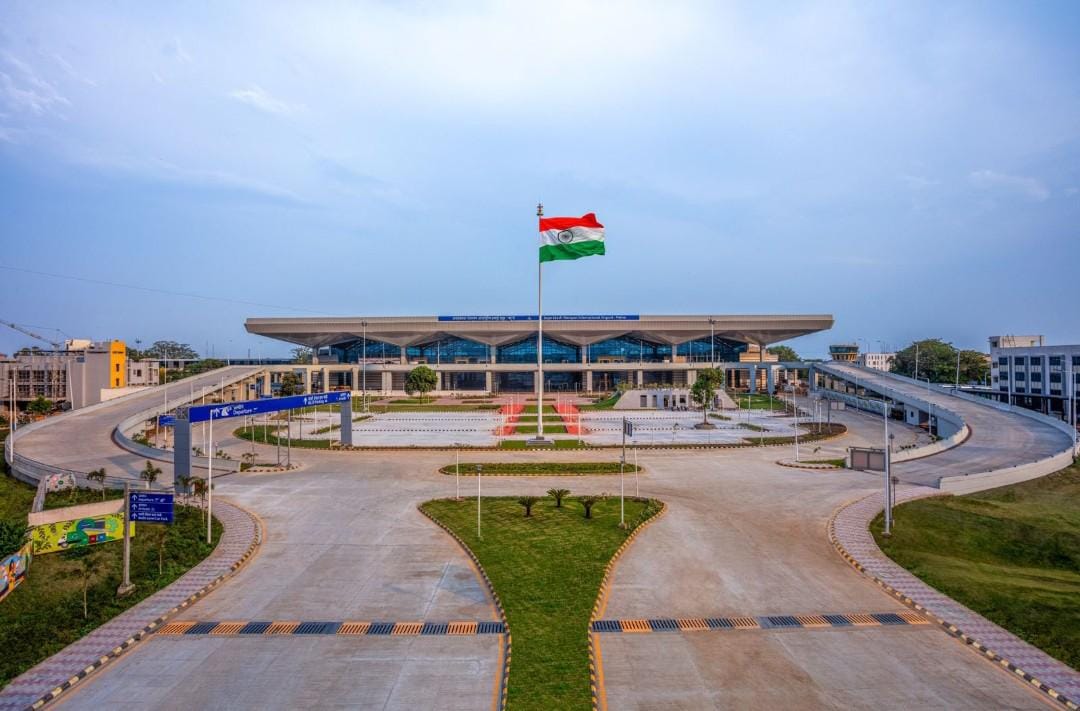
Patna Airport - Bihar India
Jay Prakash Narayan International Airport stands as a vital transportation hub for Bihar and the surrounding region, connecting one of India's most historically significant areas to the broader national and international aviation network.

Surat - Gujarat India
Surat is a modern industrial and commercial powerhouse exemplifies urban transformation in contemporary India. The city successfully balances traditional cultural values with modern aspirations, creating a dynamic environment that continues to attract people from across India.

Amritsar - Punjab India
Amritsar stands as a testament to the resilience, cultural richness, and spiritual depth of Punjab. From the serene ambiance of the Golden Temple to the bustling energy of its markets, from the solemn reminder of history at Jallianwala Bagh to the patriotic fervor at the Wagah border.

Bhubaneswar - Odisha
Bhubaneswar is the capital and the largest city of Odisha, India. It is known for its ancient temples, modern planning and IT sector. Bhubaneswar is situated in eastern India along the eastern coastal plains, about 60 kilometers from the Bay of Bengal.

Panaji - Panjim Goa
Panaji (also known as Panjim), the capital city of Goa, sits at the mouth of the Mandovi River. Panaji faces several key challenges including balancing tourism development with environmental sustainability.

Thiruvananthapuram
Under India's Smart Cities Mission, Thiruvananthapuram has implemented projects including integrated command and control center, smart roads with utility ducts, and intelligent traffic management systems. These initiatives aim to leverage technology for improving urban services and quality of life

Pune (Poona)
As Maharashtra's cultural heartland and emerging technology center, Pune's future lies in successfully integrating its historical identity with its aspirations as a global city—creating an urban environment that honors its past while embracing innovation and inclusivity.

Chennai (Madras)
Chennai's future trajectory balances economic growth with cultural preservation, as it continues to serve as South India's gateway while maintaining its distinctive Tamil character and traditions. The city's resilience, demonstrated adaptation to economic changes.