

Jainism represents one of humanity's most distinctive spiritual traditions, with its radical emphasis on non-violence, ethical living, and philosophical pluralism. Jain's impact on Indian civilization and environmental ethics, vegetarianism, and pluralism has been profound.
Jainism: Ancient Faith, Modern Practice
Introduction
Jainism is one of the world's oldest religions, originating in ancient India around the 6th century BCE. With its profound emphasis on non-violence (ahimsa), truthfulness (satya), non-stealing (asteya), celibacy/chastity (brahmacharya), and non-possession/non-attachment (aparigraha), Jainism offers a distinctive spiritual path focused on the liberation of the soul from the cycle of rebirth. Despite its relatively small number of adherents—approximately 4-6 million worldwide—Jainism has had a disproportionately large influence on Indian culture, philosophy, ethics, and economics, while also establishing growing communities around the globe.
Historical Origins and Development
Ancient Foundations
Jainism does not claim a divine origin but is considered an eternal dharma (cosmic law) revealed through a succession of 24 Tirthankaras (ford-makers) in each cosmic time cycle. The 24th and last Tirthankara of our current time cycle was Vardhamana Mahavira (599-527 BCE), a contemporary of Gautama Buddha.
The Jain tradition holds that the first Tirthankara, Rishabhanatha (also known as Adinatha), established Jainism millions of years ago, while historical evidence points to a continuous Shramana (ascetic) tradition dating back to at least 800-700 BCE.
Mahavira and Historical Development
Lord Mahavira, born as a prince in present-day Bihar, renounced his royal life at age 30 to seek spiritual enlightenment. After 12 years of severe asceticism and meditation, he attained kevala jnana (omniscience). For the next 30 years, he traveled throughout northern India, teaching the eternal truths of Jainism and establishing a fourfold order of monks, nuns, laymen, and laywomen.
Following Mahavira's nirvana (death), Jainism spread throughout India, enjoying patronage from various rulers including Emperor Chandragupta Maurya, who according to Jain traditions, embraced Jainism in his later life.
Historical Timeline
6th century BCE : Lord Mahavira's teachings and formation of Jain community
3rd century BCE : Spread under Mauryan Empire; Emperor Chandragupta's conversion
2nd century BCE - 5th century CE : Golden period of Jain literature and philosophy
5th-12th centuries CE : Construction of magnificent Jain temples under various dynasties
12th-13th centuries : Major schism resulting in Digambara and Svetambara sects
19th-20th centuries : Modern reforms and global expansion
Core Beliefs and Philosophy
Metaphysical Framework
Jainism presents a complex metaphysical system based on these key concepts:
Jiva and Ajiva : The universe consists of souls (jiva) and non-sentient substances (ajiva)
Karma : Subtle matter that attaches to the soul based on one's actions and intentions
Samsara : The cycle of birth, death, and rebirth through which souls transmigrate
Moksha : Liberation from the cycle of rebirth, the ultimate goal of Jain practice
Ethical Principles
The ethical foundation of Jainism rests on five major vows:
Ahimsa (Non-violence) : The foremost principle, extending beyond humans to all living beings
Satya (Truthfulness) : Speaking the truth in a non-harmful manner
Asteya (Non-stealing) : Not taking anything that is not freely given
Brahmacharya (Celibacy/Chastity) : Sexual restraint (complete for ascetics, moderation for laity)
Aparigraha (Non-possession/Non-attachment) : Limiting possessions and avoiding attachment
Anekantavada: Philosophical Pluralism
A distinctive feature of Jain philosophy is anekantavada, the doctrine of multiple viewpoints, which holds that reality is multifaceted and can be approached from different perspectives. This principle is expressed through:
Syadvada : The theory of conditioned predication (may be, might be)
Nayavada : The theory of partial viewpoints
Saptabhangi : The seven-fold method of predication
These philosophical tools promote intellectual humility and recognize the complexity of reality, making Jainism remarkably modern in its epistemological approach.
Major Texts and Scriptures
Canonical Texts
The Jain canon consists of numerous texts divided by sectarian differences:
Svetambara Canon :
Agamas : 45 texts believed to contain Mahavira's teachings
Angās : 12 core texts covering doctrine, ethics, and practices
Upangās : 12 supplementary texts elaborating on the Angās
Chedasūtras : 6 texts focusing on monastic discipline
Mūlasūtras : 4 basic texts taught to novice monks and nuns
Digambara Canon :
Ṣaṭkhaṇḍāgama : Comprehensive doctrinal text
Kaṣāyaprābhṛta : Text on passion and karma
Purvas : 14 lost texts believed to predate the Agamas
Non-Canonical Literature
Tattvartha Sutra by Umaswati (2nd-5th century CE): Accepted by both sects, it systematizes Jain philosophy
Samayasāra by Kundakunda: Major philosophical text on the nature of self
Niyamasāra by Kundakunda: Focuses on the path to liberation
Kalpa Sutra : Contains biographies of the Tirthankaras
Mahapurana : Epic literature by Jinasena and Gunabhadra
Major Sects and Denominations
Primary Division
Jainism has two main sects that separated around the 1st-2nd century CE:
Digambara ("Sky-clad")
Ascetic Practice : Male monks do not wear clothes, symbolizing complete renunciation
Philosophical Views : Believe women cannot achieve liberation without being reborn as men
Sacred Texts : Do not accept the Svetambara canon as authentic, have their own texts
Iconography : Depict Tirthankaras without ornaments or clothing
Svetambara ("White-clad")
Ascetic Practice : Monks and nuns wear white robes
Philosophical Views : Believe women can achieve liberation
Sacred Texts : Preserve the Agamas as authoritative
Iconography : Depict Tirthankaras with ornaments and white clothes
Sub-sects
Each main sect has further subdivided:
Digambara Sub-sects :
Bisapantha : More traditionally ritual-oriented
Terapantha : Reformed tradition emphasizing simplicity
Taranapantha/Samaiyapantha : Rejects idol worship
Svetambara Sub-sects :
Murtipujaka : Worship physical images of Tirthankaras
Sthanakvasi : Reject idol worship, emerged in 17th century
Terapanthi : Founded in 1760 by Acharya Bhikshu, emphasize strict asceticism
Religious Practices and Rituals
Daily Observances
Devout Jains typically follow these daily practices:
Samayika : Period of meditation (48 minutes) maintaining equanimity
Chaturvimshati Stava : Veneration of the 24 Tirthankaras
Vandana : Paying respect to monks and nuns
Pratikramana : Introspection and repentance for transgressions
Pratyakhyana : Taking vows for future restraint
Temple Worship (Derasari/Basadi)
Jain temple worship includes:
Darsana : Viewing the images of Tirthankaras
Puja : Ritual offerings (flowers, fruits, rice, etc.)
Aarti : Waving of lamps
Mangal Divo : Lighting auspicious lamps
Chhatra : Symbolic umbrella worship
Ashta Prakari Puja : Eight-fold worship
Annual Festivals
Major Jain festivals include:
Paryushana Parva : 8-10 day period of fasting, repentance (Svetambara: 8 days, Digambara: 10 days, called Das Lakshana)
Mahavir Janma Kalyanak : Birth anniversary of Lord Mahavira
Diwali : Marks Mahavira's attainment of moksha
Maun Agiyaras : Day of silence and fasting
Oli : Twice-yearly nine-day periods of intensified practice
Akshaya Tritiya : Auspicious day for beginning religious endeavors
Major Temples and Pilgrimage Sites
Ancient Temple Complexes
Jain architecture has produced some of India's most exquisite temples:
Dilwara Temples (Mount Abu, Rajasthan): Renowned for their extraordinary marble carvings (11th-13th centuries)
Ranakpur Temple (Rajasthan): Features 1,444 intricately carved marble pillars, no two alike
Shravanabelagola (Karnataka): Site of the 57-foot monolithic statue of Bahubali (Gomateshwara)
Palitana Temples (Gujarat): Complex of 863 marble temples on Shatrunjaya Hill
Gwalior Fort Temples (Madhya Pradesh): Rock-cut Jain sculptures dating to the 7th-15th centuries
Modern Temples
Sonagiri (Madhya Pradesh): Complex of 77 temples
Hutheesing Temple (Ahmedabad, Gujarat): Built in 1848, exemplifies modern Jain architecture
Lal Mandir (Delhi): Oldest Jain temple in Delhi
Falna Temples (Rajasthan): Modern pilgrimage center
Kulpakji (Telangana): Ancient temple recently renovated
International Temples
Jain Center of America (New York): Largest Jain temple in North America
Jain Temple Antwerp (Belgium): Major European Jain center
Oswal Jain Temple (London): Important UK center
Jain Temple Leicester (UK): Largest Jain temple in Europe
Attire and Symbolism
Traditional Dress
Ascetics :
Digambara monks : Practice nudity (male monks only)
Svetambara monks and nuns : White seamless robes
Monastic implements : Peacock-feather whisk (picchi) for sweeping insects, cloth for walking (gomukhi), wooden alms bowl
Laity :
Traditional Jain dress : Conservative attire, often white especially during religious occasions
Muhpatti : Mouth covering worn during prayers to prevent inadvertently harming microorganisms
Symbolic Elements
Swastika : Ancient symbol representing the four states of existence
Three Dots : Symbolizing the Three Jewels of right faith, knowledge, and conduct
Extended Palm : Symbol of fearlessness and blessing (ahimsa hand)
Ashtamangala : Eight auspicious symbols including the svastika, srivatsa, nandavarta, etc.
Jain Way of Living
Principles for Laity
Jain householders follow these guidelines:
Anuvratas : Lesser vows for laity (modified versions of monastic vows)
Dinacharya : Disciplined daily routine
Dana : Charity, especially supporting monastic community and compassionate causes
Dietary restrictions : Strict vegetarianism, avoiding root vegetables
Ratribhojana tyaga : Abstention from eating after sunset
Periodic fasting : Regular fasts of varying intensity
Monastic Life
Jain ascetics follow extremely strict rules:
Mahavratas : Great vows of complete renunciation
Walking only : No use of vehicles
Alms collection : Eating only what is freely offered
Limited possessions : Just a few items (bowl, whisk, scriptures)
Careful movement : Constant vigilance to avoid harming even microscopic life
No permanent residence : Continuous travel (except during monsoon)
Economic Influence
Jains have had significant economic impact through:
Banking and finance : Many prominent financial institutions founded by Jains
Jewelry and gemstones : Traditional Jain occupations due to non-violent nature
Charitable trusts : Numerous Jain-run charitable organizations
Business ethics : Applying Jain principles to commerce
Dietary Practices
Vegetarianism and Beyond
Jainism promotes perhaps the world's strictest dietary code:
Complete vegetarianism : No meat, fish, or eggs
Avoidance of root vegetables : Potatoes, onions, garlic, etc. (as harvesting kills the plant)
Filtering water : To remove microscopic organisms
Avoidance of fermented foods : Including alcohol and cheese
Jain vegetarianism : Excludes foods believed to contain countless microorganisms
Fasting Traditions
Fasting is central to Jain practice:
Atthai : Eight-day complete fast
Ekasana : Eating only once a day
Biyasana : Eating twice a day
Ayambil : Austere meals of one unseasoned dish
Upvas : Complete abstention from food for a day
Varsitap : Year-long alternate day fasting
Educational and Medical Institutions
Educational Institutions
Jains have established numerous educational institutions:
Jain Vishva Bharati University (Ladnun, Rajasthan): Major center for Jain studies
Kundakunda Jnanapeeth (Indore): Research center for Jain philosophy
L.D. Institute of Indology (Ahmedabad): Research institution focused on Jain manuscripts
Jain University (Bangalore): Modern university founded on Jain principles
Mahavir Jain College (Several locations in India)
Syadvad Institute (Varanasi): Advanced research in Jain philosophy
JITO Administrative Training Foundation : Professional education for Jain youth
Medical Institutions
Jain principles of compassion extend to healthcare:
Mahavir Hospital Trust (Multiple locations): Network of hospitals emphasizing ethical care
S.D. Jain Hospital (Mumbai)
Ratna Prabhakara Jain Hospital (Karnataka)
Shree Mahaveer Jain Hospital (Bangalore)
Vardhman Mahavir Medical College (Delhi)
Bird Hospitals : Unique Jain institutions caring for injured birds, with major facilities in Delhi and Mumbai
Charitable Initiatives
Jain charitable work includes:
Jeevdaya (Compassion for living beings) : Animal shelters and veterinary services
Jivandaya (Compassion for human life) : Disaster relief and poverty alleviation
Gyanandaya (Gift of knowledge) : Educational scholarships and schools
Aushadhdaya (Gift of medicine) : Free medical camps and subsidized healthcare
Abhayandaya (Gift of fearlessness) : Protection of vulnerable species and environments
Demographics and Global Presence
Population Distribution
The global Jain population is estimated at 4-6 million:
Highest concentrations in Gujarat, Rajasthan, Maharashtra, and Karnataka
Urban centers: Mumbai, Delhi, Ahmedabad, Jaipur, Bangalore
Largest communities in New York, New Jersey, California, and Toronto
Primarily in London, Leicester, and Manchester
Other significant communities : East Africa (Kenya, Tanzania), Southeast Asia, Australia, and UAE
Diaspora History
The Jain diaspora developed through several waves:
Colonial period : Migration to British East Africa and other colonies for trade
Post-independence : Professional migration to UK, USA, and Canada
Post-1980s : Accelerated professional and business migration worldwide
Recent trends : Student migration and skilled professionals
Notable Diaspora Organizations
Federation of Jain Associations in North America (JAINA) : Umbrella organization for Jain groups in USA and Canada
Institute of Jainology : UK-based global organization
Jain Samaj Europe : Coordination across European countries
Young Jains of America/UK : Youth-focused organizations
International School for Jain Studies : Educational programs for global students
Political Influence
Historical Role
Though never a majority religion, Jains have influenced politics through:
Royal patronage : Several Indian kings embraced or supported Jainism
Advisors : Jain monks often served as advisors to rulers
Chandragupta Maurya : The founder of the Mauryan Empire is said to have embraced Jainism
King Kharavela : Jain ruler of Kalinga who promoted the faith
Modern Political Presence
In contemporary India, Jains have:
Legal recognition : Minority religious status granted in 2014
Political representation : Several members of parliament and state legislators
Policy influence : Particularly regarding vegetarianism and animal welfare
Business associations : Economic influence through industry groups
Notable political figures : Individuals like Virchand Gandhi (first Jain to speak at the World Parliament of Religions in 1893)
Religious Harmony and Conflicts
Interfaith Relations
Jainism has historically maintained positive interfaith relations:
Buddhism : Shared many concepts with early Buddhism, maintained scholarly exchanges
Hinduism : Mutual influence and shared cultural elements, with many Jain practices absorbed into Hindu traditions
Islam and Christianity : Generally peaceful coexistence throughout history
Historical Challenges
Despite their non-violent philosophy, Jains faced historical challenges:
Medieval period : Occasional temple destruction during Muslim invasions
Colonial period : Economic pressures and cultural marginalization
Modern challenges : Maintaining distinct identity amid Hindu nationalism
Contemporary Issues
Today's Jain community faces several challenges:
Preservation of manuscripts : Safeguarding ancient Jain texts
Religious education : Transmitting traditions to younger generations
Environmental concerns : Promoting ecological values based on Jain principles
Identity preservation : Maintaining distinctiveness while integrating in modern society
Balancing tradition and modernity : Adapting ancient practices to contemporary contexts
Contemporary Jainism and Modern Adaptations
Reformist Movements
Modern Jainism has seen several reform movements:
Terapanth : Reformist Svetambara movement emphasizing rationality
Kanji Swami Panth : Movement focusing on spiritual self-realization
Shrimad Rajchandra Mission : Emphasis on meditation and self-realization
Jain Vishva Bharati : Promoting non-violence education globally
Global Adaptations
As Jainism spreads globally, it is adapting through:
Digital resources : Online access to scriptures and teachings
Modern meditation techniques : Adapting traditional practices for contemporary practitioners
Academic study : Increasing presence in universities worldwide
Ecological emphasis : Positioning Jainism as an environmentally conscious tradition
Interfaith dialogue : Active participation in global religious discourse
Notable Jain Saints and Leaders
Historical Figures
Acharya Kundakunda (1st-2nd century CE): Philosopher who systematized Jain metaphysics
Acharya Haribhadra (8th century): Writer and philosopher who compared various philosophical systems
Acharya Hemachandra (1089-1172): Polymath who authored works on grammar, politics, and yoga
Lonka Shah (15th century): Reformer who questioned idol worship
Shrimad Rajchandra (1867-1901): Spiritual guide to Mahatma Gandhi
Modern Leaders
Acharya Tulsi (1914-1997): Initiated Anuvrat movement for ethical living
Acharya Mahapragya (1920-2010): Developed Preksha meditation system
Acharya Vidyananda (1925-): Scholar and leader of Digambara tradition
Sadhvi Shilapiji : Contemporary female Jain leader promoting education
Acharya Lokesh Muni : Interfaith leader and peace activist
Contributions to World Culture
Science and Mathematics
Jain scholars made significant contributions to:
Mathematics : Early work on transfinite numbers and infinity
Cosmology : Complex models of cosmic time cycles
Logic : Development of multi-valued logic (syadvada)
Medicine : Texts on herbal medicine and surgery
Architecture and Art
Jain contributions include:
Temple architecture : Distinctive style emphasizing intricate carving
Manuscript illumination : Delicate paintings on palm leaf manuscripts
Bronze casting : Especially of Tirthankara images
Mandalas : Complex cosmic diagrams
Literature and Language
Jain influences on literature include:
Prakrit literature : Preservation and development of Prakrit languages
Sanskrit works : Major contributions to grammar and poetics
Ethics literature : Extensive works on moral philosophy
Historical chronicles : Pattavalis and other historical records
Conclusion
Jainism represents one of humanity's most distinctive spiritual traditions, with its radical emphasis on non-violence, ethical living, and philosophical pluralism. Though numerically small, its impact on Indian civilization and increasingly on global discussions about environmental ethics, vegetarianism, and pluralism has been profound.
In today's interconnected world, Jain principles of non-absolutism (anekantavada) and non-violence (ahimsa) offer valuable perspectives for addressing conflicts and environmental challenges. As the tradition adapts to modern contexts while preserving its ancient wisdom, it continues to provide a unique path of spiritual development centered on the purification of the soul through compassionate living and inner discipline.
Despite the challenges of modernity, the Jain community remains vibrant, maintaining its distinctive practices while engaging with contemporary issues. Its ethos of minimal harm, intellectual humility, and personal responsibility represents a significant contribution to our collective human heritage.
Further Reading
Dundas, Paul. "The Jains"
Jaini, Padmanabh S. "The Jaina Path of Purification"
Long, Jeffery D. "Jainism: An Introduction"
Wiley, Kristi L. "Historical Dictionary of Jainism"
Shah, Natubhai. "Jainism: The World of Conquerors"
More in jains

Indian Holidays
India’s holidays are more than cultural events—they are essential to its social identity, religious plurality, economic activity, and global soft power. Each festival is a lens through which one can witness the warmth, diversity, and complexity of Indian life.

Indian Culture
India's cultural landscape defies simple categorization, representing instead a complex, living tapestry of traditions that have evolved over millennia. What makes Indian culture particularly remarkable is not just its diversity but its underlying unity.

Indian People
India's cultural heritage is a testament to its historical depth and diversity. The nation has numerous ethnic groups, each with distinct languages, customs, and traditions. From the Dravidian cultures of the south to the Indo-Aryan influences in the north.
More in religion

Buddism
Buddhism's journey from its origins under the Bodhi tree in India to a global spiritual, philosophical, and cultural force demonstrates its remarkable adaptability and enduring relevance of Buddha's insights into human suffering and the path to its cessation.
Parsi People
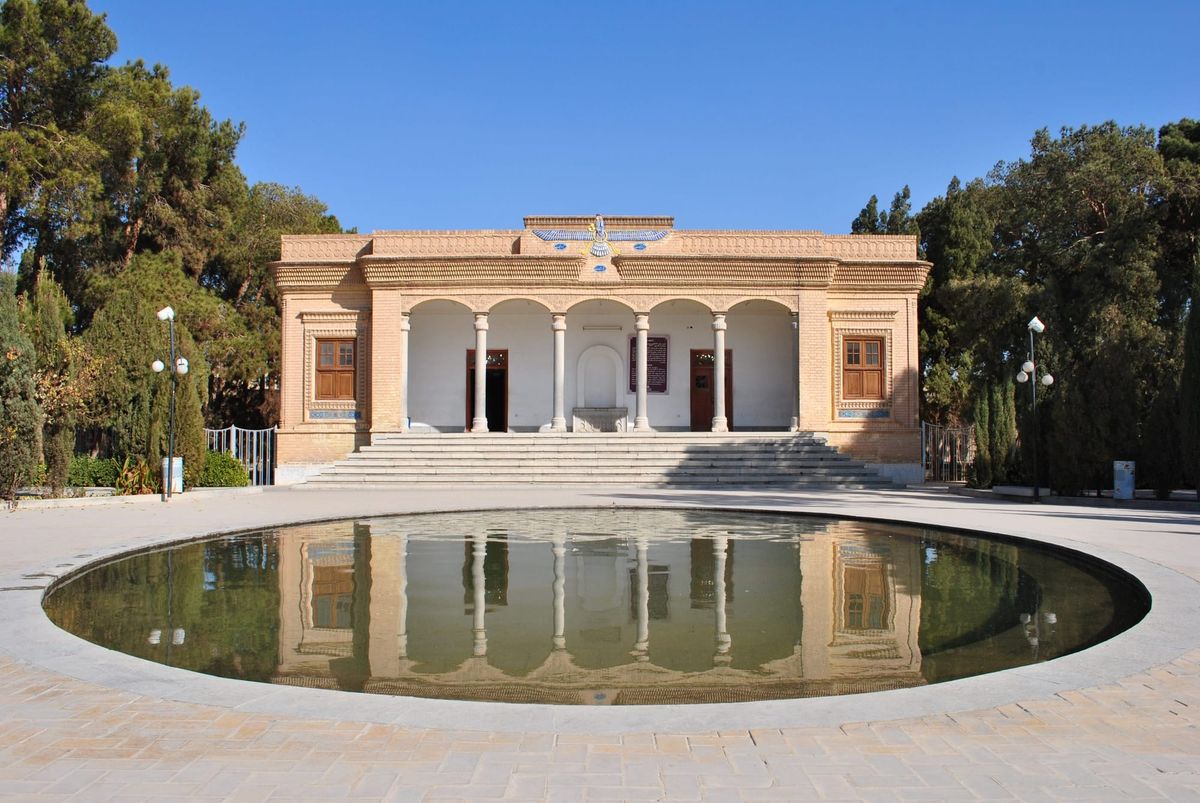
Known for their distinctive religious practices, entrepreneurial acumen, philanthropy, and contributions to India's development, the Parsi community represents one of the world's most remarkable examples of a cultural minority.

Saurashtrians
What makes the Saurashtrian community particularly fascinating is their journey from Gujarat to southern India, their preservation of language and traditions in new environments, and their significant contributions to textile arts, particularly silk weaving.

Sikhism
Sikhism, though relatively young compared to other major world religions, has developed a rich theological tradition, distinctive cultural practices, and a global presence. Founded on principles of equality, service, and devotion, Sikhism continues to evolve while maintaining its core values.

Christianity in India
Christianity in India, despite being a minority faith, has contributed significantly to the nation's development, particularly through educational and healthcare institutions. The diverse denominational landscape reflects both ancient indigenous traditions and more recent missionary influences.

Indian Religions
India, the birthplace of several major world religions and a vibrant melting pot of faiths, presents a unique spectacle of devotion. The multitude of religions coexisting in India, with their diverse practices and traditions, creates a unique and often awe-inspiring cultural landscape