

Jharkhand, with its rich cultural heritage, abundant natural resources, and diverse population, holds immense potential for development. Efforts are ongoing to harness its resources sustainably and improve the quality of life for its residents.
Jharkhand: The Land of Forests
Wikipedia Article : Jharkhand
*Jharkhand is a state in eastern India. The state shares its border with the states of West Bengal to the east, Chhattisgarh to the west, Uttar Pradesh to the northwest, Bihar to the north, and Odisha to the south. It is the 15th largest state by area and the 14th largest by population. Hindi is the official language of the state. The city of Ranchi is its capital, and Dumka its sub-capital. The state is known for its waterfalls, hills, and holy places; Baidyanath Dham, Parasnath, Dewri, and Rajrappa are major religious sites. Jharkhand is primarily rural, with about 24% of its population living in cities as of 2011.* ( Wikipedia )
History
The region of Jharkhand has a rich history dating back to ancient times. It was known as the land of forests and was inhabited by various tribal communities. The area was part of the Magadha Empire and later came under the rule of the Mauryas and Guptas. During the medieval period, it was ruled by local dynasties and later came under the control of the Mughals and the British. The demand for a separate state for the tribal population led to the formation of Jharkhand on 15 November 2000, carved out from the southern part of Bihar.
Culture
Jharkhand's culture is a blend of tribal and non-tribal traditions. The state is home to several indigenous tribes, each with its own customs, festivals, music, and dance forms. Festivals like Sarhul, Karma, and Sohrai are celebrated with great enthusiasm. Traditional dances such as Chhau, Santhali, and Paika are integral to the state's cultural identity.*
Major Cities
Ranchi : The capital city, known for its scenic beauty and waterfalls.
Jamshedpur : An industrial city, home to Tata Steel and Tata Motors.
Dhanbad : Known as the 'Coal Capital of India' due to its vast coal reserves.
Bokaro : An industrial city with a major steel plant.
Deoghar : A significant religious center, housing the Baidyanath Temple.*
Temples and Palaces
Baidyanath Dham : One of the twelve Jyotirlingas, located in Deoghar.
Parasnath Hill : A major Jain pilgrimage site.
Rajrappa Temple : Dedicated to Goddess Chhinnamasta, located at the confluence of rivers.
Navratangarh Fort : A historical fort built by the Nagvanshi dynasty.*
Geography
Jharkhand is characterized by its hilly terrain, dense forests, and numerous rivers. The Chotanagpur Plateau covers most of the state, and the Damodar, Subarnarekha, and Koel rivers flow through it. The state is rich in mineral resources, including coal, iron ore, copper, and bauxite.*
People and Ethnicity
The state's population comprises various ethnic groups, with a significant tribal population. Major tribes include the Santhal, Munda, Oraon, and Ho. The official language is Hindi, but several regional languages like Santali, Mundari, and Ho are widely spoken.
Cuisine
Jharkhand's cuisine is simple and nutritious, often featuring rice, pulses, and vegetables. Traditional dishes include Dhuska (deep-fried rice pancakes), Thekua (sweet snack), and Chilka Roti (rice flour flatbread). Tribal communities also consume dishes made from forest produce.*
Healthcare
The state has a mix of public and private healthcare facilities. Major hospitals are located in cities like Ranchi, Jamshedpur, and Dhanbad. However, rural areas often face challenges in accessing quality healthcare services.*
Religions
Hinduism is the predominant religion, followed by Islam and Christianity. A significant portion of the tribal population practices indigenous religions, worshipping nature and ancestral spirits.*
Tourism
Jharkhand offers a variety of tourist attractions, including waterfalls like Hundru and Dassam, wildlife sanctuaries like Betla National Park, and religious sites like Baidyanath Dham and Parasnath Hill. The state's natural beauty and cultural heritage attract visitors seeking offbeat destinations.
Politics and Government
Jharkhand has a unicameral legislature with 81 seats. The state sends 14 members to the Lok Sabha and 6 to the Rajya Sabha. As of the latest information, Hemant Soren from the Jharkhand Mukti Morcha (JMM) serves as the Chief Minister.
Transportation
Roads : The state has a network of national and state highways connecting major cities and towns.
Airports : Birsa Munda Airport in Ranchi is the primary airport, with other airports in Jamshedpur and Deoghar.
Rail Services : Major railway stations include Ranchi, Jamshedpur (Tatanagar), Dhanbad, and Bokaro.
Bridges : Several bridges span the state's rivers, facilitating transportation and connectivity.
Education System
Jharkhand has numerous educational institutions, including universities like Ranchi University and Birla Institute of Technology, Mesra. The state also has several engineering and medical colleges. However, challenges remain in improving literacy rates and educational infrastructure in rural areas.
Dams and Agriculture
Dams like the Tenughat and Maithon support irrigation and power generation. Agriculture is a primary occupation, with rice, maize, and pulses being major crops. The state also promotes fishing and cattle farming as supplementary livelihoods.
Industries
Mining : Jharkhand is rich in minerals, contributing significantly to India's mineral production.
Steel Industry : Cities like Jamshedpur and Bokaro house major steel plants.
Automobile Industry : Tata Motors has a significant presence in Jamshedpur.
Textile Industry : The state promotes handloom and handicraft sectors, supporting local artisans.
Jharkhand, with its rich cultural heritage, abundant natural resources, and diverse population, holds immense potential for development. Efforts are ongoing to harness its resources sustainably and improve the quality of life for its residents.
More in india
Indian Economy
The Indian economy presents a complex picture of impressive achievements alongside persistent challenges. Its strengths include a large, youthful population; a vibrant entrepreneurial ecosystem; strong service sectors; and accelerating digital adoption.

Nuclear Bomb - What if?
Nuclear weapons are stored and maintained under extremely rigorous security and safety protocols. The most effective protection remains prevention of nuclear conflict through international diplomacy, arms control agreements, and crisis management mechanisms.

Indian Entertainment
When one thinks of Indian entertainment on a global scale, Bollywood immediately springs to mind. Based primarily in Mumbai, the Hindi film industry is a behemoth, producing a vast number of films annually, often characterized by their vibrant musical numbers

Indian Industry
India's economy has evolved into a multifaceted system encompassing traditional sectors like agriculture and textiles, as well as cutting-edge industries such as pharmaceuticals, information technology, and renewable energy.

Indian Cities
From the bustling metropolises that pulse with economic energy to the ancient centers steeped in history and culture, India's cities are the vibrant heartbeats of this diverse nation. These urban landscapes are dynamic microcosm.

Latest News
The political landscape is currently abuzz with discussions surrounding upcoming state elections in several regions. Parties are actively campaigning, focusing on issues ranging from economic development and job creation to social welfare programs.

Union Territories of India
Union territories are federal territories governed directly by the Central Government of India. Some UTs have their own legislatures and elected governments, while others are administered by appointed administrators or lieutenant governors.
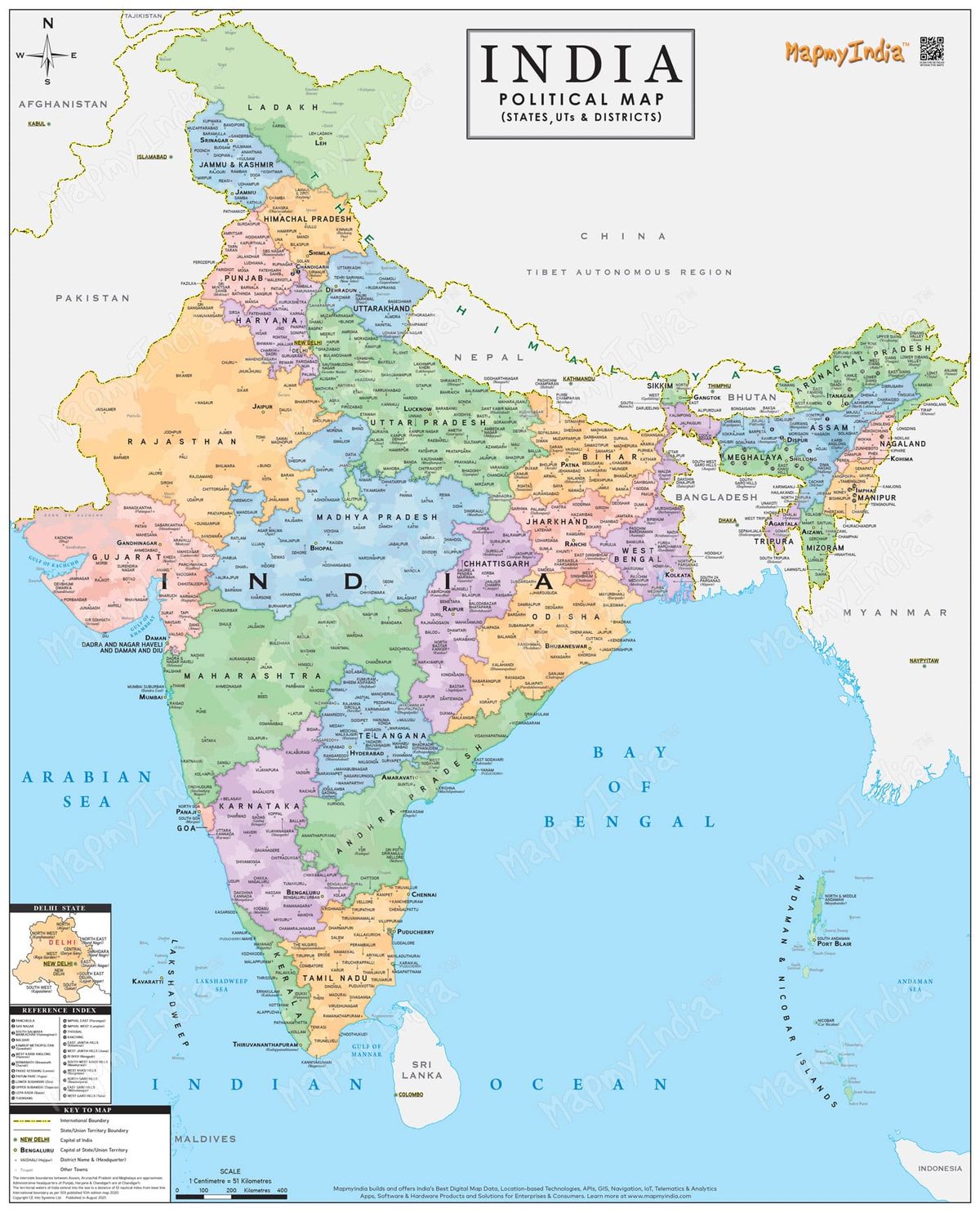
Indian States
India comprises 28 states and 8 union territories, each with unique geographical features, economic strengths, cultural heritage, and governance structures. Each of these administrative divisions contributes uniquely to the nation's vibrant mosaic.
More in news

Ayurveda
Discover the ancient wisdom of Ayurveda from the heart of Kerala with AyurKerala—a comprehensive resource for personalized wellness rooted in tradition. This platform offers in-depth guidance on Ayurvedic philosophy, dosha analysis, dietary and lifestyle recommendations, herbal remedies,

Chandigarh India
The history of the area around Chandigarh dates back to the Indus Valley Civilization. Archaeological findings have revealed settlements in the region dating back thousands of years. However, the modern city of Chandigarh is a relatively recent creation.

Lakshadweep India
Lakshadweep is shrouded in mystery, with limited archaeological evidence. Local legends attribute the first settlement to the period of Cheraman Perumal, the last ruler of the Chera dynasty of Kerala.

Delhi India
Delhi's history spans several millennia, with evidence of continuous habitation from at least the 6th century BCE. It has served as the capital of numerous empires and kingdoms, each leaving its indelible mark on the city's landscape and culture.

Puducherry
Puducherry's history can be traced back to ancient times, with archaeological evidence suggesting Roman trade links in the vicinity. However, its documented history begins with the arrival of European traders. The Portuguese were the first to establish a factory in Puducherry in the 16th century.

Ladakh India
adakh's history is deeply intertwined with Tibetan culture and Buddhism. Archaeological evidence suggests settlements dating back to the Bronze Age. By the 1st century CE, Ladakh was part of the Kushan Empire. In the following centuries, it came under the influence of various Tibetan kingdoms.

Jammu and Kashmir India
The culture of Jammu and Kashmir is a vibrant blend of Hindu, Muslim, Sikh, and Buddhist traditions, reflecting the region's diverse history and geography. Distinct cultural identities are found in the Jammu, Kashmir Valley, and Ladakh regions.