

Netaji Subhash Chandra Bose International Airport stands as a testament to Kolkata's growing importance in India's aviation landscape. With its modern infrastructure, expanding capacity, and strategic location, the airport continues to serve as a vital gateway for Eastern India.
Netaji Subhash Chandra Bose International Airport: Gateway to Eastern India
Introduction
Netaji Subhash Chandra Bose International Airport (IATA: CCU, ICAO: VECC), commonly known as Kolkata Airport, stands as one of India's most significant aviation hubs and serves as the primary gateway to Eastern India. Named after the prominent freedom fighter Netaji Subhash Chandra Bose, this airport has evolved from a modest facility into a world-class international terminal that connects Kolkata with major cities across India and the globe.
Located approximately 17 kilometers northeast of Kolkata's city center in Dum Dum, the airport serves not only the metropolitan area of Kolkata but also acts as a crucial link for the entire Eastern and Northeastern regions of India, including states like West Bengal, Odisha, Jharkhand, Bihar, and the Seven Sister States.
Infrastructure and Capacity
Terminal Facilities
The airport underwent a major transformation with the inauguration of its new integrated Terminal 2 (T2), which represents a significant leap in capacity and passenger experience. The new integrated terminal T2 is spread over 233,000 m² (2,510,000 sq ft) and can handle 25 million passengers annually, compared to the previous terminal T1's capacity of five million. It has 112 check-in counters, 78 immigration counters, 12 customs counters, and 18 aerobridges.
The terminal is designed as an L-shaped structure containing six levels, incorporating modern amenities and cutting-edge technology. It contains 128 check-in counters that utilise CUTE (Common User Terminal Equipment) technology, ensuring efficient passenger processing and reduced waiting times.
Runway Configuration
The airport has two parallel runways: 01R/19L (11,900ft, 3,627m) and 01L/19R (9,240ft, 2,800m). As the longer one of the two, 01R/19L is now used for take-offs and landings, and 01L/19R is used primarily as a taxiway. This configuration allows for efficient aircraft movement and can accommodate various aircraft types, from regional jets to wide-body international aircraft.
Aircraft Parking and Ground Facilities
The airport's infrastructure includes comprehensive ground support facilities. The number of parking bays will be increased to 105 by 2024. The airport also features specialized facilities including Air India hangars, with Bharat Petroleum and Indian Oil serving as the primary fuel suppliers. Catering services are provided by premium operators Taj-Sats and Oberoi Flight Services, ensuring high-quality in-flight meal preparation.
Passenger Traffic and Flight Operations
Annual Passenger Volume
Kolkata Airport has shown remarkable growth in passenger traffic, recovering strongly from the pandemic-induced downturn. Kolkata's passenger count increased by 9%, reaching 21.2 million in 2024, compared to 19.4 million in 2023. This growth trajectory demonstrates the airport's importance in India's aviation sector and its resilience in the post-pandemic recovery phase.
The airport handles a substantial volume of international passengers as well. In the financial year 2024, close to 2.5 million international passengers travelled through Netaji Subhash Chandra Bose International Airport in Kolkata, India, an increase from the previous year.
Flight Operations
The airport serves as a major operational base for several airlines. IndiGo operates over 100 daily non-stop flights from Kolkata, making it one of the busiest airports in the airline's network. The airport connects to 62 destinations through direct flights, offering extensive domestic and international connectivity.
Airlines and Routes
Domestic Connectivity
Kolkata Airport serves as a crucial hub for domestic travel, connecting all major Indian cities. Major airlines operating from the airport include:
IndiGo : The largest operator with over 100 daily flights
Air India : National carrier with extensive domestic and international routes
SpiceJet : Low-cost carrier serving multiple domestic destinations
Vistara : Full-service carrier connecting major metros
GoFirst : Budget airline serving key domestic routes
International Operations
The airport provides international connectivity to various destinations across Asia, the Middle East, and beyond. Key international routes include flights to:
Southeast Asia : Bangkok, Singapore, Kuala Lumpur
Middle East : Dubai, Doha, Abu Dhabi
East Asia : Dhaka, Kathmandu
Europe : Limited connections through Middle Eastern hubs
Cargo Operations
The airport plays a vital role in cargo transportation for Eastern India. The total covered area of air cargo terminal is 21,906 square meter and its annual holding capacity including transshipment is 120000 MT. There are four parking bays exclusively for freighter fleet, which can accommodate up to B-747 type of aircraft. This substantial cargo capacity supports the region's trade and commerce, particularly for industries like jute, textiles, tea, and information technology.
National and Regional Importance
Strategic Location
Netaji Subhash Chandra Bose International Airport holds immense strategic importance for India's eastern region. It serves as:
Primary Gateway : The main international entry point for Eastern and Northeastern India
Economic Hub : Facilitating trade and business connections for the region
Tourism Portal : Key access point for tourists visiting West Bengal, Odisha, and the Northeast
Emergency Services : Critical for disaster relief and medical emergency evacuations in the region
Regional Connectivity
The airport's significance extends beyond Kolkata, serving as a lifeline for the landlocked Northeastern states. It provides crucial connectivity for states like Assam, Meghalaya, Tripura, and others that have limited direct international flight options.
Transportation and Accessibility
Ground Transportation Options
Taxi Services
The airport offers multiple taxi service options for passenger convenience:
Pre-paid Taxis : Pre-paid Taxis (Yellow Taxi) are available at NSCBI Airport on 24 x 7 basis and are being managed by Bidhannagar Police commisionerate. Pre-paid Taxi counters are available in Arrival Level between Gates 3 & 4.
Radio Taxis : Mega cabs (Kolkata Call Taxi) Radio-taxi services from/to Terminal-2 of NSCBI Airport are available round the clock. Arriving passengers can avail the services at the Megacabs counters available in the Arrival Lower Level.
App-based Services : Ola, Uber, and other ride-sharing services operate from designated pickup points
Distance and Travel Time
The distance from Kolkata Airport to the centre of Kolkata (Bara Bazar) is 14 kilometres / 8.7 miles, travel time by car is approximately 45 minutes. However, taking a Kolkata airport taxi will take around 30 minutes to complete the journey under normal traffic conditions.
Rail Connectivity
Airport Railway Station
The airport was pioneering in rail connectivity. In 2005, Kolkata Airport was the first airport in India to have a train connection. Biman Bandar railway station near Terminal 2 provided direct rail access, though this service has been temporarily suspended for infrastructure development.
Metro Connectivity
There is a metro network connecting Netaji Subhas Chandra Bose International Airport with the city center. Currently, Kolkata Metro expansion plans include two new lines, Noapara to Barasat and New Garia. For immediate metro access, a better option is a catch a taxi to Dum Dum Junction 5km from the airport. This station is a main hub for the Kolkata metro and there are many regular departures to the city centre.
Public Transportation
The public transportation in the central business and financial hub of Eastern India includes a suburban railway, metro, tram, extensive bus system and auto-rickshaws. The suburban railway network connects Kolkata suburbs with the metropolitan area.
Facilities and Passenger Amenities
Terminal Amenities
The modern Terminal 2 offers comprehensive passenger facilities including:
Dining Options : Multiple restaurants, cafes, and food courts offering local and international cuisine
Shopping : Duty-free shops, retail outlets, and souvenir stores
Business Facilities : Business lounges, meeting rooms, and Wi-Fi connectivity
Passenger Services : Information desks, medical facilities, and lost-and-found services
Lounges
The airport features several premium lounges catering to different passenger categories:
Airline Lounges : Dedicated lounges for Air India, IndiGo, and other major carriers
Priority Pass Lounges : Access for premium credit card holders and frequent flyers
Business Lounges : Pay-per-use facilities for all passengers
Accessibility Features
The airport is designed with accessibility in mind, featuring:
Wheelchair-accessible facilities throughout the terminal
Special assistance services for passengers with reduced mobility
Dedicated parking spaces and transportation options
Audio-visual aids for passengers with hearing or visual impairments
Future Development and Expansion
Infrastructure Upgrades
The airport continues to evolve with ongoing development projects aimed at enhancing capacity and passenger experience. Plans include:
Further expansion of Terminal 2 facilities
Additional aircraft parking bays
Enhanced cargo facilities
Improved ground transportation links
Sustainability Initiatives
As part of India's commitment to sustainable aviation, the airport is implementing various green initiatives including:
Solar power installations
Waste management systems
Water conservation measures
Energy-efficient terminal operations
Economic Impact
Employment Generation
The airport serves as a major employer in the region, providing direct and indirect employment to thousands of people in various sectors including:
Airport operations and management
Airlines and ground handling services
Retail and hospitality
Transportation and logistics
Regional Development
The airport's presence has spurred significant development in the surrounding areas, contributing to:
Real estate growth in nearby localities
Development of hospitality and service industries
Enhanced connectivity for businesses
Attraction of foreign investment to the region
Conclusion
Netaji Subhash Chandra Bose International Airport stands as a testament to Kolkata's growing importance in India's aviation landscape. With its modern infrastructure, expanding capacity, and strategic location, the airport continues to serve as a vital gateway for Eastern India. The facility's commitment to passenger service, operational efficiency, and regional connectivity positions it as one of India's premier airports.
As the airport continues to grow and modernize, it plays an increasingly crucial role in supporting the economic development of Eastern India while maintaining its position as a key hub for both domestic and international travel. The ongoing improvements in ground transportation, including metro connectivity and enhanced taxi services, ensure that passengers can easily access this world-class facility.
The airport's significance extends far beyond its role as a transportation hub – it serves as a symbol of progress and connectivity for the entire Eastern region of India, facilitating business, tourism, and cultural exchange while contributing substantially to the region's economic growth and development.
More in indian airports

Indian Aviation Industry
India's aviation industry represents one of the most dynamic and rapidly evolving sectors in the global economy. From its humble beginnings as a niche transportation mode, it has transformed into a mass market industry serving hundreds of millions of passengers annually.
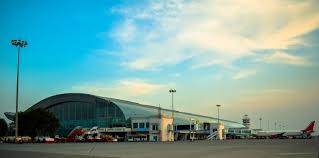
Amrisar Airport - Punjab
Sri Guru Ram Dass Jee International Airport, located in Amritsar, Punjab, is a major international gateway to North India. Named after the fourth Sikh Guru and founder of the city, the airport serves as a vital hub connecting Punjab with key domestic cities and international destinations
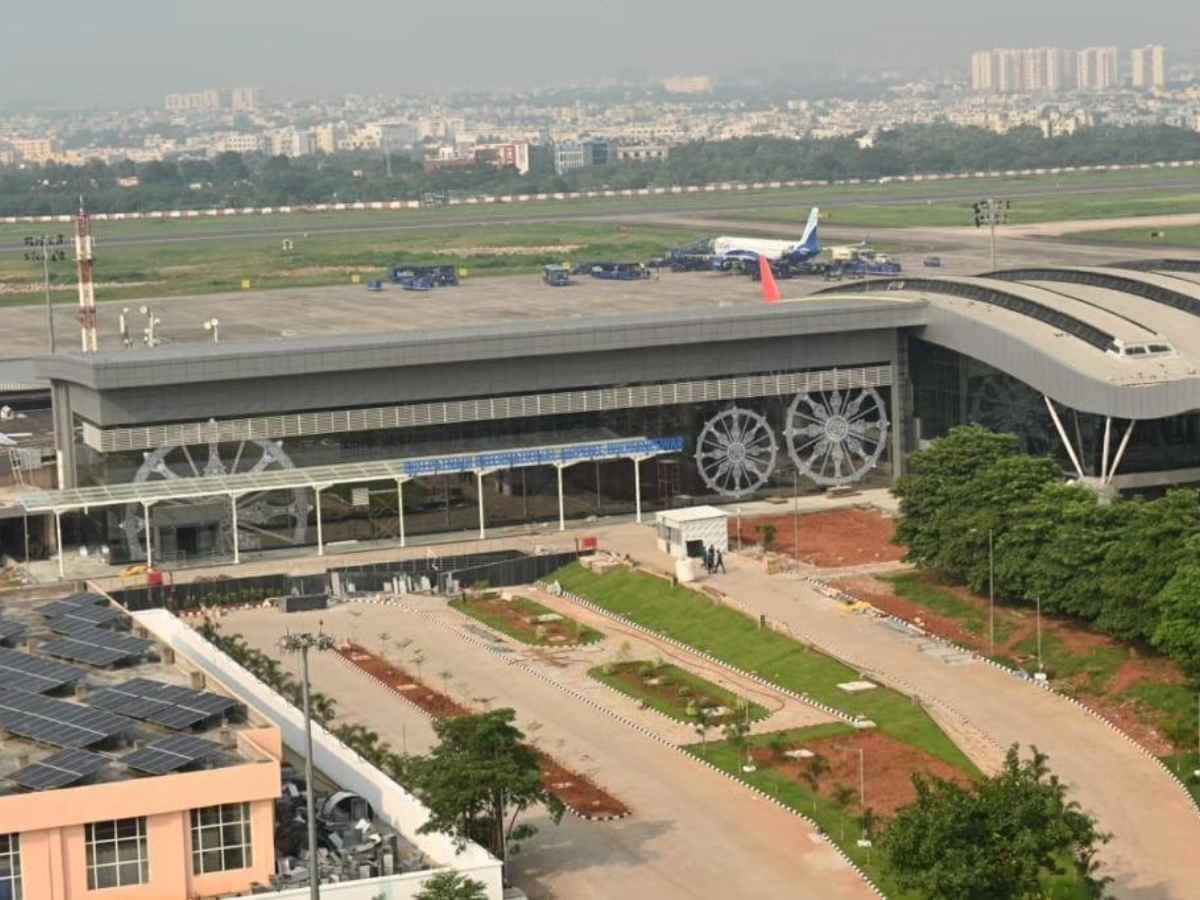
Bhubaneswar Airport - Odisha
With the recent expansion of route networks and the commitment to sustainable operations, Biju Patnaik International Airport is positioned for continued growth. The addition of new domestic routes in 2025 and the resumption of international services indicate strong market confidence.
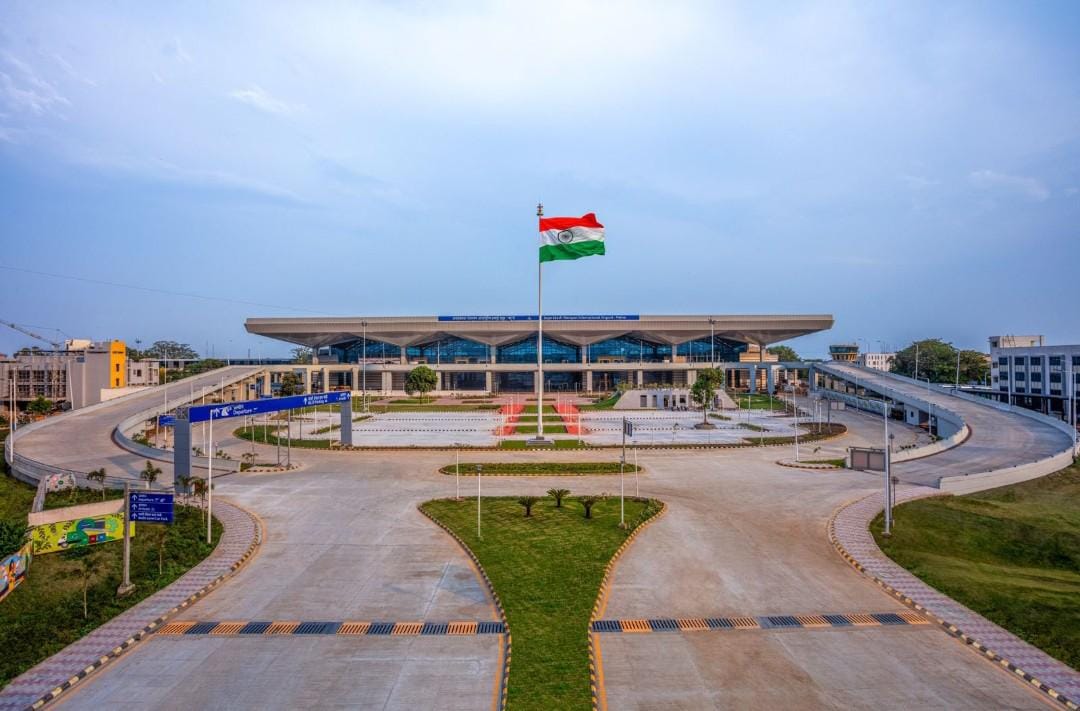
Patna Airport - Bihar India
Jay Prakash Narayan International Airport stands as a vital transportation hub for Bihar and the surrounding region, connecting one of India's most historically significant areas to the broader national and international aviation network.

Bengaluru Airport
Kempegowda International Airport stands as a remarkable example of modern aviation infrastructure that successfully integrates operational excellence, environmental sustainability & economic development. Its impressive growth trajectory, pioneering sustainability initiatives.

Hyderabad Airport
Rajiv Gandhi International Airport stands as a remarkable example of modern aviation infrastructure that successfully balances operational excellence, sustainability, and regional economic development. Its impressive growth trajectory, commitment to environmental responsibility.

Delhi Airport
Indira Gandhi International Airport is as a testament to India's aviation prowess and Delhi's significance as the nation's capital. With its record-breaking passenger volumes, extensive global connectivity, and ambitious expansion plans, IGI Airport continues to set new benchmarks.

Mumbai International Airport
Chhatrapati Shivaji Maharaj International Airport stands as a testament to India's aviation prowess and Mumbai's significance as a global city. With its impressive passenger volumes, extensive connectivity, and world-class facilities, CSMIA continues to serve as India's primary aviation gateway.
More in airports

Air India Accident - Thu, June 12, 2025
The Air India tragedy in Ahmedabad underscores the complex relationship between aviation, urban development, and public safety. While we cannot eliminate all risks associated with air travel, we can work to minimize the impact on communities.
More in kolkata
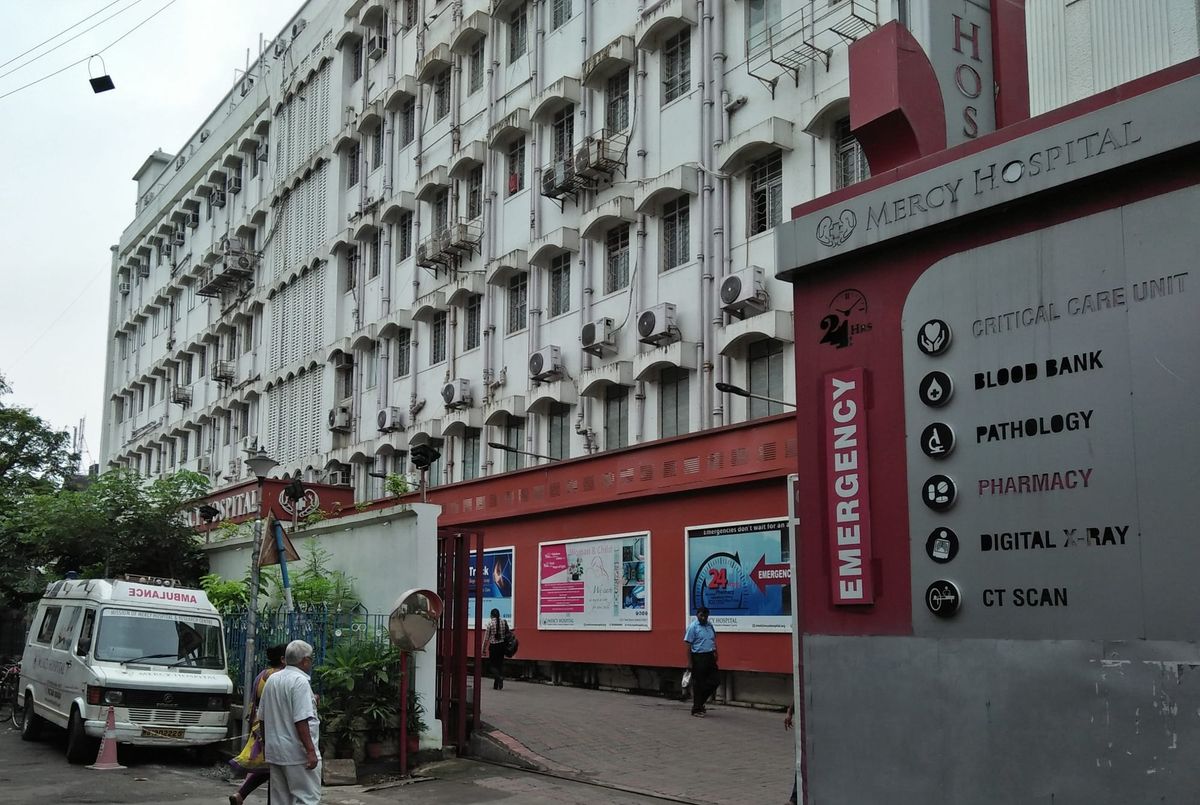
Kolkata Hospitals
Kolkata's healthcare ecosystem and hospitals represents a microcosm of India's broader healthcare landscape – showcasing impressive advancements alongside persistent challenges with its blend of historical medical institutions, modern facilities, and emerging technologies.

Kolkata (Calcutta)
The soul of Kolkata lies in its resilient spirit, intellectual tradition, and cultural richness that continue to define this eastern Indian metropolis as it moves forward in the 21st century. Kolkata was the first Indian city to develop a metro system: