

Manipur: The Jewel of the East Wikipedia Article: Manipur Manipur is a state in northeastern India, bordered by Nagaland, Assam, Mizoram, and Myanmar. The state capital is Imphal. Manipur is known for its rich cultural heritage, scenic landscapes, and diverse ethnic communities. The Meitei people represent around 53%
Manipur: The Jewel of the East
Wikipedia Article : Manipur
Manipur is a state in northeastern India, bordered by Nagaland, Assam, Mizoram, and Myanmar. The state capital is Imphal. Manipur is known for its rich cultural heritage, scenic landscapes, and diverse ethnic communities. The Meitei people represent around 53% of the population, followed by various Naga tribes at 20% and Kuki-Zo tribes at 16%. Manipur's ethnic groups practice a variety of religions, with Hinduism and Christianity being the major religions of the state. ( Encyclopedia Britannica , Wikipedia )
History
Manipur's history dates back to ancient times, with the Meitei kingdom established in the valley region. During the British colonial period, Manipur was a princely state. In 1949, the ruler of Manipur signed a merger agreement with India, leading to its integration into the Indian Union. This merger has been a subject of contention among some groups in Manipur, resulting in a prolonged insurgency in the state.
Culture
Manipur boasts a vibrant cultural scene, with classical dance forms like Ras Lila and traditional festivals such as Yaoshang and Lai Haraoba. The state is also known for its rich tradition of handloom and handicrafts, including the famous Manipuri shawls and textiles.
Major Cities
Imphal : The capital city, known for its historical sites and cultural landmarks.
Thoubal : A town with scenic beauty, featuring lakes, rivers, and gardens.
Bishnupur : Famous for its temples and historical significance.
Ukhrul : Known for its picturesque landscapes and the Shirui Lily.
Temples and Palaces
Shree Govindajee Temple : A significant Vaishnavite temple in Imphal.
Kangla Fort : The ancient seat of Manipur's rulers, now a historical site.
Sanamahi Temple : Dedicated to the traditional Sanamahi religion.
Geography
Manipur is characterized by its hilly terrain and the central Imphal Valley. The state has two major physiographic regions: the Manipur River valley and the surrounding mountainous areas. Loktak Lake, the largest freshwater lake in northeastern India, is a prominent geographical feature.
People and Ethnicity
The Meitei community predominantly resides in the valley, while various Naga and Kuki tribes inhabit the hill regions. These communities have distinct languages, customs, and traditions, contributing to the state's rich ethnic diversity.
Cuisine
Manipuri cuisine is known for its simplicity and use of local herbs and ingredients. Staple dishes include rice, fish, and a variety of leafy vegetables. Fermented foods like "ngari" (fermented fish) are integral to the local diet.
Healthcare
Healthcare facilities in Manipur are centered in urban areas like Imphal, with hospitals and clinics providing medical services. However, rural regions often face challenges in accessing quality healthcare.
Religions
Hinduism and Christianity are the major religions practiced in Manipur. The Meitei community primarily follows Hinduism, while many tribal groups adhere to Christianity. Traditional animist beliefs are also prevalent among some communities.
Tourism
Manipur offers a range of tourist attractions:
Loktak Lake : Known for its floating phumdis and the Keibul Lamjao National Park, the only floating national park in the world.
Shirui Lily Festival : Celebrated in Ukhrul district, showcasing the rare Shirui Lily flower.
Dzükou Valley : A picturesque valley known for its natural beauty and seasonal flowers.
Kangla Fort : A historical site in Imphal with cultural significance.
Politics and Government
Manipur has a unicameral legislative assembly. The state has experienced political challenges, including ethnic tensions and demands for greater autonomy by various groups. Efforts are ongoing to promote peace and development in the region.
Transportation
Roads : National highways connect Manipur to neighboring states.
Airports : Imphal International Airport serves as the primary air gateway.
Rail Services : Rail connectivity is expanding, with projects underway to link Manipur to the broader Indian railway network.
Bridges : Infrastructure development includes the construction of bridges to improve connectivity.
Education System
Manipur has several educational institutions, including universities, colleges, and schools. The state emphasizes education, with efforts to improve literacy rates and educational infrastructure.
Dams and Agriculture
Agriculture is a primary occupation in Manipur, with rice being the staple crop. Irrigation projects and dams support agricultural activities, enhancing productivity and livelihoods.
Industries
Handloom and Handicrafts : Manipur is renowned for its traditional textiles and crafts.
Food Processing : The state is developing its food processing sector to add value to agricultural produce.
Tourism : With its natural beauty and cultural heritage, tourism is a growing industry.
Manipur, with its rich cultural tapestry and natural beauty, holds immense potential for development. Efforts are ongoing to harness its resources sustainably and improve the quality of life for its residents.
More in india
Indian Economy
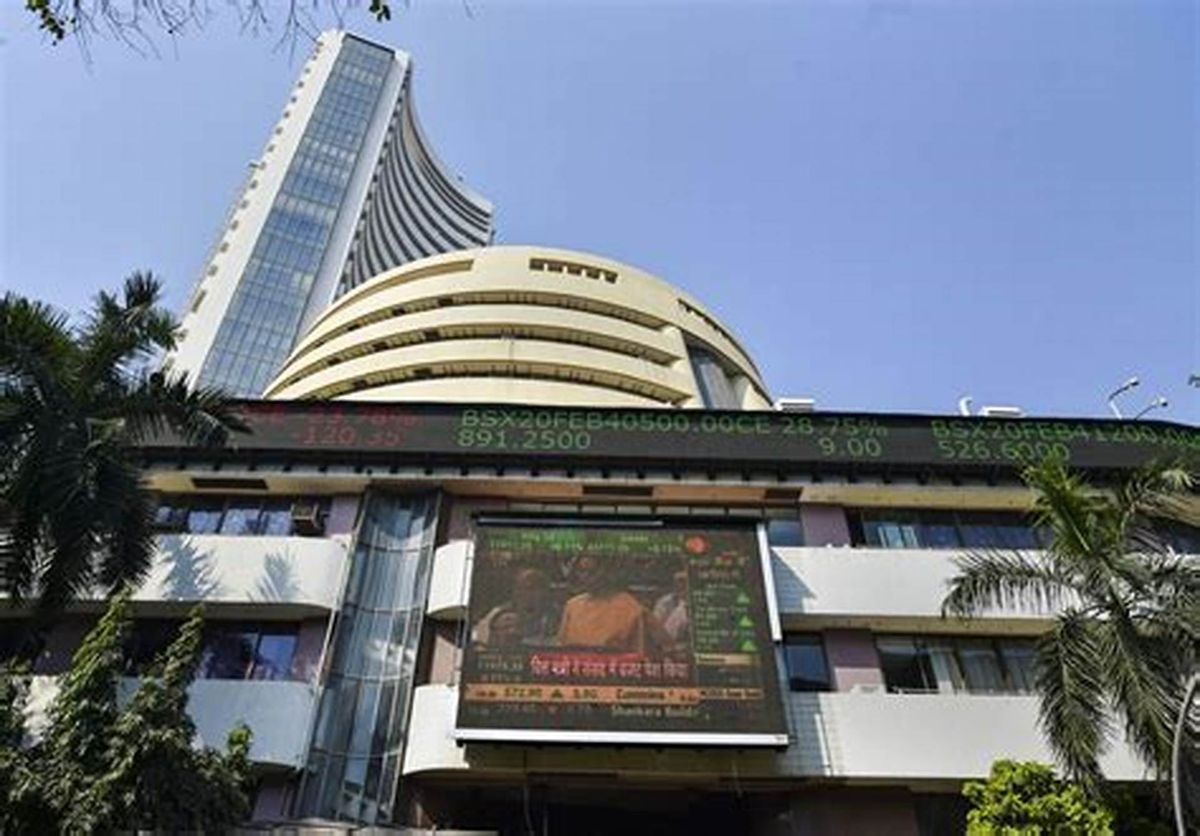
The Indian economy presents a complex picture of impressive achievements alongside persistent challenges. Its strengths include a large, youthful population; a vibrant entrepreneurial ecosystem; strong service sectors; and accelerating digital adoption.

Nuclear Bomb - What if?
Nuclear weapons are stored and maintained under extremely rigorous security and safety protocols. The most effective protection remains prevention of nuclear conflict through international diplomacy, arms control agreements, and crisis management mechanisms.

Indian Entertainment
When one thinks of Indian entertainment on a global scale, Bollywood immediately springs to mind. Based primarily in Mumbai, the Hindi film industry is a behemoth, producing a vast number of films annually, often characterized by their vibrant musical numbers

Indian Industry
India's economy has evolved into a multifaceted system encompassing traditional sectors like agriculture and textiles, as well as cutting-edge industries such as pharmaceuticals, information technology, and renewable energy.

Indian Cities
From the bustling metropolises that pulse with economic energy to the ancient centers steeped in history and culture, India's cities are the vibrant heartbeats of this diverse nation. These urban landscapes are dynamic microcosm.

Latest News
The political landscape is currently abuzz with discussions surrounding upcoming state elections in several regions. Parties are actively campaigning, focusing on issues ranging from economic development and job creation to social welfare programs.

Union Territories of India
Union territories are federal territories governed directly by the Central Government of India. Some UTs have their own legislatures and elected governments, while others are administered by appointed administrators or lieutenant governors.
Indian States
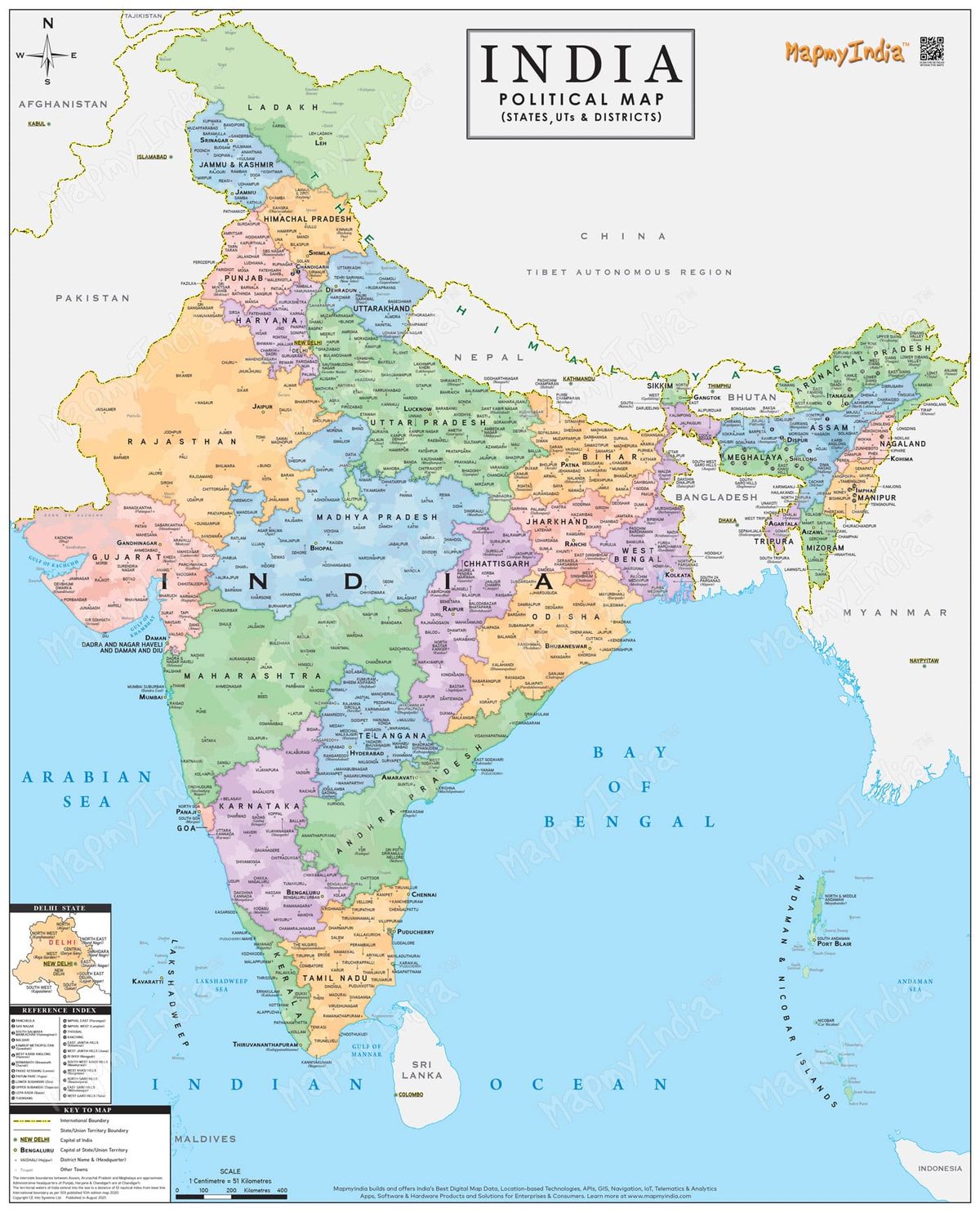
India comprises 28 states and 8 union territories, each with unique geographical features, economic strengths, cultural heritage, and governance structures. Each of these administrative divisions contributes uniquely to the nation's vibrant mosaic.
More in news

Ayurveda
Discover the ancient wisdom of Ayurveda from the heart of Kerala with AyurKerala—a comprehensive resource for personalized wellness rooted in tradition. This platform offers in-depth guidance on Ayurvedic philosophy, dosha analysis, dietary and lifestyle recommendations, herbal remedies,

Chandigarh India
The history of the area around Chandigarh dates back to the Indus Valley Civilization. Archaeological findings have revealed settlements in the region dating back thousands of years. However, the modern city of Chandigarh is a relatively recent creation.

Lakshadweep India
Lakshadweep is shrouded in mystery, with limited archaeological evidence. Local legends attribute the first settlement to the period of Cheraman Perumal, the last ruler of the Chera dynasty of Kerala.

Delhi India
Delhi's history spans several millennia, with evidence of continuous habitation from at least the 6th century BCE. It has served as the capital of numerous empires and kingdoms, each leaving its indelible mark on the city's landscape and culture.

Puducherry
Puducherry's history can be traced back to ancient times, with archaeological evidence suggesting Roman trade links in the vicinity. However, its documented history begins with the arrival of European traders. The Portuguese were the first to establish a factory in Puducherry in the 16th century.

Ladakh India
adakh's history is deeply intertwined with Tibetan culture and Buddhism. Archaeological evidence suggests settlements dating back to the Bronze Age. By the 1st century CE, Ladakh was part of the Kushan Empire. In the following centuries, it came under the influence of various Tibetan kingdoms.

Jammu and Kashmir India
The culture of Jammu and Kashmir is a vibrant blend of Hindu, Muslim, Sikh, and Buddhist traditions, reflecting the region's diverse history and geography. Distinct cultural identities are found in the Jammu, Kashmir Valley, and Ladakh regions.