

The Indian way of life defies simple characterization, embodying both timeless continuity and dynamic change. What remains consistent is the extraordinary capacity for synthesis—integrating new influences while maintaining core cultural values.
The Indian Way of Life: A Cultural Tapestry
India, a land of remarkable diversity and profound traditions, presents a way of life that is as complex as it is fascinating. From the snow-capped Himalayas in the north to the tropical shores of Kanyakumari in the south, the Indian subcontinent encompasses a multitude of lifestyles, beliefs, and practices that have evolved over thousands of years. This article explores various facets of the Indian way of life, offering insights into how tradition and modernity coexist in this vibrant nation.
Religious Diversity and Spirituality
Religion is deeply interwoven into the fabric of Indian society. While Hinduism is practiced by approximately 80% of the population, India is also home to significant Muslim, Christian, Sikh, Buddhist, and Jain communities, among others.
Religious Harmony and Pluralism
India's constitution establishes it as a secular nation, and religious pluralism has been a defining characteristic throughout its history. Despite occasional tensions, different faiths have coexisted for centuries, often influencing each other's practices and traditions. It's common to see Hindus participating in Eid celebrations, Muslims attending Diwali functions, and people of various faiths visiting each other's places of worship.
Daily Religious Practices
For many Indians, spirituality is not reserved for special occasions but is integrated into daily life:
Morning prayers or meditation before starting the day
Small household shrines for daily worship
Observance of fasting days according to religious calendars
Seeking blessings before significant undertakings
Food Culture: A Gastronomic Adventure
Indian cuisine is renowned worldwide for its diversity, complex flavors, and regional specialties. Food in India is not merely sustenance but a cultural expression, often closely tied to religious practices, celebrations, and family traditions.
Regional Diversity
Each state in India boasts its own culinary traditions:
North India: Known for rich, creamy curries, tandoori dishes, and various breads like naan and roti
South India: Famous for rice-based dishes, coconut-infused curries, and fermented foods like dosa and idli
East India: Features fish preparations, rice, and sweets like rasgulla
West India: Known for vegetarian Gujarati thalis, seafood in coastal areas, and spicy Rajasthani cuisine
Vegetarianism and Food Traditions
A significant portion of Indians practice vegetarianism, influenced by religious principles like ahimsa (non-violence). Even among non-vegetarians, many observe meat-free days for religious reasons. The concept of "sattvik" food (pure, vegetarian food that promotes spiritual clarity) plays an important role in Hindu dietary practices.
Clothing and Adornment
Traditional Indian clothing is both functional and symbolic, varying widely across regions while maintaining certain common elements.
Traditional Attire
Women: Sarees, salwar kameez, lehengas, and regional variations
Men: Dhotis, kurta-pajamas, sherwanis, and regional garments like lungis
Modern India sees a mix of Western and traditional clothing, with many people adapting their attire based on context—traditional for festivals and ceremonies, Western for work environments, and fusion styles for casual settings.
Symbolism in Adornment
Many elements of traditional Indian dress carry cultural significance:
Sindoor (vermilion) in the parting of hair for married Hindu women
Bangles as symbols of marital status in many communities
Mehendi (henna) designs for special occasions
Regional jewelry with cultural and sometimes protective meanings
Housing and Living Arrangements
Indian residential patterns reflect both ancient traditions and modern adaptations, varying dramatically between rural and urban settings.
Traditional Homes
Traditional Indian homes often feature:
Central courtyards providing natural light and ventilation
Specific spaces for prayer or meditation
Distinct areas for entertaining guests
Climate-appropriate design elements (like jharokhas in Rajasthan or stilted houses in Kerala)
Joint Family System
Though changing in urban areas, the joint family system—where multiple generations live under one roof—remains common in many parts of India. This arrangement provides social security, facilitates childcare, preserves cultural traditions, and creates a support system for the elderly.
Urban Housing Evolution
In cities, space constraints have led to apartment living becoming the norm. However, even in modern apartments, spatial arrangements often reflect traditional values, such as the prominent placement of prayer spaces and the importance given to kitchen and dining areas for family gatherings.
Work Ethics and Professional Life
The Indian approach to work combines ancient philosophical concepts with contemporary professional practices.
Dharma and Work
The concept of dharma (duty) significantly influences Indian work ethics. Performing one's professional duties diligently is seen not just as a means to earn a living but as a moral and spiritual obligation.
Education and Career Priorities
Indian society traditionally places high value on education, with particular emphasis on fields like engineering, medicine, and business. While this is changing with greater diversification of career options, academic achievement remains highly prized.
Entrepreneurship and Family Businesses
Family-owned businesses play a crucial role in the Indian economy. Business acumen is often passed down through generations, with many successful Indian corporations beginning as small family enterprises.
Work-Life Balance and Changing Paradigms
Traditional Indian society emphasized work within broader life contexts, with festivals, family obligations, and religious observances taking precedence at appropriate times. Modern corporate culture, particularly in urban areas, has introduced Western concepts of time management and productivity, creating new dynamics in work-life balance.
Manners and Social Etiquette
Indian social interactions are governed by complex codes of conduct that vary by region, community, and context.
Respect for Elders
One consistent aspect across Indian cultures is the profound respect shown to elders. This is manifested in:
Touching elders' feet as a mark of respect (pranam)
Using respectful forms of address
Seeking blessings from elders before important undertakings
Giving precedence to elders in decision-making processes
Hospitality
The Sanskrit phrase "Atithi Devo Bhava" (The guest is equivalent to God) encapsulates the importance of hospitality in Indian culture. Guests are typically welcomed warmly, offered refreshments immediately upon arrival, and treated with the utmost care.
Interpersonal Communication
Indian communication styles often:
Prioritize harmony and avoid direct confrontation
Use indirect language to convey disagreement
Incorporate contextual and non-verbal cues
Adjust based on hierarchical relationships
Public Life and Community Dynamics
India's public spaces reflect the country's density, diversity, and communal orientation.
Navigating Crowds
With over 1.4 billion people, crowded public spaces are a fact of life in India. Indians develop specific skills for:
Navigating dense markets and transit systems
Maintaining personal space in crowded environments
Creating psychological privacy in physically shared spaces
Communal Activities
Public life in India often revolves around shared activities:
Evening walks in neighborhood parks
Community celebration of festivals
Street food culture
Public religious processions and events
Festivals and Celebrations
India's calendar is marked by numerous festivals that reflect its cultural and religious diversity.
Major Religious Festivals
Diwali: The festival of lights celebrated by Hindus, Jains, and Sikhs
Eid: Observed by the Muslim community at the end of Ramadan
Christmas: Celebrated by Christians and many non-Christians
Guru Nanak Jayanti: Commemorating the birth of the first Sikh Guru
Buddha Purnima: Marking Buddha's birth, enlightenment, and death
Secular Celebrations
Republic Day (January 26): Commemorating the adoption of India's constitution
Independence Day (August 15): Celebrating freedom from British rule
Gandhi Jayanti (October 2): Honoring Mahatma Gandhi's birthday
Regional Festivals
Each region boasts unique celebrations:
Pongal in Tamil Nadu
Onam in Kerala
Durga Puja in West Bengal
Ganesh Chaturthi in Maharashtra
Bihu in Assam
National Identity and Patriotism
Indian patriotism is multifaceted, encompassing pride in the country's ancient heritage as well as its modern achievements.
Cultural Pride
Indians often express pride in their civilization's contributions to mathematics, philosophy, literature, and the arts. The cultural continuity of Indian civilization—spanning thousands of years—forms a core component of national identity.
Unity in Diversity
The ability to maintain unity despite extraordinary diversity is a source of national pride. The phrase "Unity in Diversity" is not merely a slogan but reflects the lived reality of Indian nationhood.
Symbols of National Identity
The tricolor flag (saffron, white, and green)
The national anthem ("Jana Gana Mana")
The national emblem (adapted from the Lion Capital of Ashoka)
Cricket as a unifying passion
Hygiene and Cleanliness
Traditional Indian concepts of cleanliness encompass both physical and ritual purity.
Personal Hygiene Practices
Daily bathing, often before prayers or meals
Removal of shoes before entering homes and temples
Washing hands and feet before religious activities
Specific rituals of purification for various occasions
Public Sanitation Initiatives
In recent years, the "Swachh Bharat" (Clean India) campaign has brought renewed focus to public sanitation. This nationwide movement has led to increased toilet coverage in rural areas and greater awareness of waste management practices.
Traditional and Modern Approaches
Traditional Indian systems like Ayurveda emphasize personal hygiene as integral to health. These ancient practices are increasingly being integrated with modern understandings of public health and sanitation.
Languages and Communication
India's linguistic diversity is extraordinary, with 22 officially recognized languages and hundreds of dialects.
Multilingualism
Many Indians speak three or more languages fluently:
Their mother tongue or regional language
Hindi (if not their first language)
English, particularly in educational and professional contexts
Often neighboring regional languages
Hindi and English
Hindi serves as an official language alongside English, though its status varies across regions. English functions as a link language in business, higher education, and government, providing a common medium across linguistic boundaries.
Language Politics and Identity
Language is closely tied to regional identity, with states primarily organized along linguistic lines. Language preservation efforts are active across the country, even as English continues to gain prominence in urban and professional settings.
Philanthropy and Community Service
Giving and service have deep roots in Indian philosophical traditions.
Religious Foundations
Most Indian religions emphasize charity:
Daan (giving) in Hinduism
Zakat (obligatory charity) in Islam
Seva (selfless service) in Sikhism
Traditional Support Systems
Before formal philanthropy, Indian society relied on community-based support systems:
Village councils addressing local needs
Wealthy families supporting community institutions
Religious establishments providing food and shelter
Modern Philanthropy
Contemporary Indian philanthropy combines traditional values with modern approaches:
Corporate social responsibility initiatives
Foundation-based strategic giving
Individual philanthropy from India's growing wealthy class
Community-based organizations addressing local issues
Evolving Social Dynamics
Indian society is experiencing rapid transformation while maintaining connections to traditional values.
Gender Roles and Changes
Traditional gender roles are evolving, particularly in urban India:
Increasing women's workforce participation
Changing attitudes toward marriage and family formation
Greater visibility of women in leadership positions
Ongoing conversations about gender equality
Intergenerational Relationships
The relationship between generations is changing:
Younger generations question some traditional practices
Technology creates new communication patterns
Migration separates extended families
Traditional values of respect for elders remain important
Rural-Urban Divide
India's urban and rural experiences remain distinct:
Urban areas experience faster social change
Rural communities maintain stronger traditional structures
Migration creates cultural exchanges between rural and urban contexts
Conclusion
The Indian way of life defies simple characterization, embodying both timeless continuity and dynamic change. What remains consistent is the extraordinary capacity for synthesis—integrating new influences while maintaining core cultural values. As India continues its journey into the 21st century, this adaptive resilience will likely remain its defining characteristic, allowing its people to navigate both global integration and cultural preservation.
India's remarkable diversity may be its greatest challenge but is also its most precious resource—a living laboratory of human possibility, where ancient wisdom and contemporary innovation continue to create new expressions of what it means to be human.
More in people

Indian Culture
India's cultural landscape defies simple categorization, representing instead a complex, living tapestry of traditions that have evolved over millennia. What makes Indian culture particularly remarkable is not just its diversity but its underlying unity.

Indian People
India's cultural heritage is a testament to its historical depth and diversity. The nation has numerous ethnic groups, each with distinct languages, customs, and traditions. From the Dravidian cultures of the south to the Indo-Aryan influences in the north.
More in culture

Buddism
Buddhism's journey from its origins under the Bodhi tree in India to a global spiritual, philosophical, and cultural force demonstrates its remarkable adaptability and enduring relevance of Buddha's insights into human suffering and the path to its cessation.
Parsi People
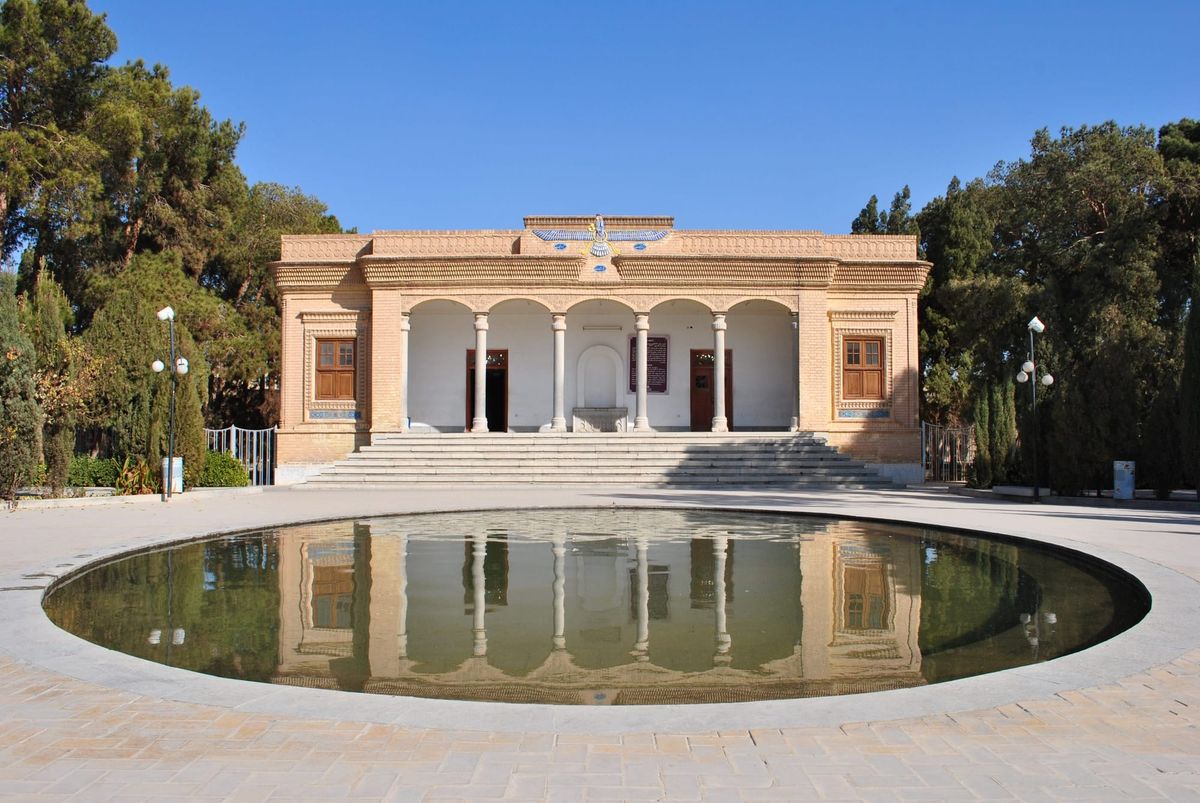
Known for their distinctive religious practices, entrepreneurial acumen, philanthropy, and contributions to India's development, the Parsi community represents one of the world's most remarkable examples of a cultural minority.

Saurashtrians
What makes the Saurashtrian community particularly fascinating is their journey from Gujarat to southern India, their preservation of language and traditions in new environments, and their significant contributions to textile arts, particularly silk weaving.

Sikhism
Sikhism, though relatively young compared to other major world religions, has developed a rich theological tradition, distinctive cultural practices, and a global presence. Founded on principles of equality, service, and devotion, Sikhism continues to evolve while maintaining its core values.

Indian Muslims
Islam in India represents a diverse, complex, and vibrant religious tradition that has been an integral part of the Indian civilization for centuries. From magnificent architectural marvels to profound contributions in literature, arts, sciences, and governance.

Christianity in India
Christianity in India, despite being a minority faith, has contributed significantly to the nation's development, particularly through educational and healthcare institutions. The diverse denominational landscape reflects both ancient indigenous traditions and more recent missionary influences.

Indian Religions
India, the birthplace of several major world religions and a vibrant melting pot of faiths, presents a unique spectacle of devotion. The multitude of religions coexisting in India, with their diverse practices and traditions, creates a unique and often awe-inspiring cultural landscape

Indian Holidays
India’s holidays are more than cultural events—they are essential to its social identity, religious plurality, economic activity, and global soft power. Each festival is a lens through which one can witness the warmth, diversity, and complexity of Indian life.