

The early history of Sikkim is intertwined with the indigenous Lepcha people. In the 17th century, the Namgyal dynasty established a monarchy, with Phuntsog Namgyal becoming the first Chogyal (king) of Sikkim in 1642.
Sikkim: The Hidden Paradise
Wikipedia Link: https://en.wikipedia.org/wiki/Sikkim
Wikipedia Excerpt: "Sikkim (/ˈsɪkɪm/ (listen)) is a state in northeastern India. It borders Tibet Autonomous Region of China in the north and northeast, Bhutan in the east, Nepal in the west, and the Indian state of West Bengal in the south. Sikkim is also 3 close to India's Siliguri Corridor near Bangladesh. Sikkim is the least populous 5 and the second smallest among the Indian states. A part of the Eastern Himalaya, Sikkim is notable for its biodiversity, including alpine and subtropical climates, as well as being a host to Kangchenjunga, the highest peak in India and third highest on Earth. Sikkim's capital and largest city is Gangtok."
History
The early history of Sikkim is intertwined with the indigenous Lepcha people. In the 17th century, the Namgyal dynasty established a monarchy, with Phuntsog Namgyal becoming the first Chogyal (king) of Sikkim in 1642. The Namgyal dynasty ruled Sikkim for over 300 years. During this period, Sikkim faced numerous invasions and conflicts with its neighbors, Bhutan and Nepal.
In the 19th century, Sikkim came under British influence. 13 Following India's independence in 1947, Sikkim maintained its protectorate status with India, which controlled its defense, external affairs, and communications. Over the following decades, there was a growing desire for closer integration with India. In a referendum held in 1975, the people of Sikkim voted overwhelmingly in favor of joining India. Sikkim officially became the 22nd state of the Indian Union on May 16, 1975.
Culture
Sikkim's culture is a vibrant blend of different ethnic traditions and religious influences. The three main ethnic groups – Lepcha, Bhutia, and Nepali – each contribute uniquely to the state's cultural mosaic. Traditional dances, music, and festivals are an integral part of Sikkimese life. Some prominent dances include the Singhi Chham (Snow Lion Dance), Yak Chham, and the Lepcha folk dances.
Several festivals are celebrated with great enthusiasm, including Losar (Tibetan New Year), Saga Dawa (a Buddhist festival commemorating Buddha's birth, enlightenment, and death), and Pang Lhabsol (a unique festival where the guardian deity of Sikkim, Mount Khangchendzonga, is honored). The traditional attire of Sikkim is colorful and varies among the different communities. Handloom weaving is a significant craft, producing beautiful fabrics with intricate designs.
Art and Architecture
Sikkim's art and architecture are heavily influenced by Tibetan Buddhism. Monasteries (gompas) are the most prominent architectural structures, characterized by their pagoda-like roofs, colorful murals, and intricate wood carvings. The Enchey Monastery and the Tashiding Monastery are prime examples of Sikkimese monastic architecture.
Traditional Sikkimese art includes Thangka paintings (religious scroll paintings), Buddhist sculptures, and the crafting of religious artifacts. 20 The Lepcha community has its own distinct art forms, including weaving and basketry using natural fibers. 21 The influence of Nepali craftsmanship is also evident in some traditional metalwork and woodwork. Modern architecture in Sikkim's urban centers incorporates contemporary designs while often retaining elements inspired by traditional styles. 22
Major Cities
Gangtok: The capital and largest city of Sikkim, situated on a ridge at an altitude of about 1,650 meters (5,410 feet). 23 It is the administrative, commercial, and cultural hub of the state. According to the 2011 census, its population was around 98,644.
Namchi: The headquarters of the South Sikkim district, known for its monasteries and the Char Dham pilgrimage site. 24 Its population was approximately 12,279 in 2011.
Mangan: The headquarters of the North Sikkim district, serving as a gateway to the northern parts of the state. 25 Its population is relatively small.
Gyalshing (Geyzing): The headquarters of the West Sikkim district, known for its proximity to Pelling and other tourist attractions. Its population is also relatively small.
Singtam: A significant town in East Sikkim, located along the Teesta River. Its population was around 6,432 in 2011.
Temples and Palaces
While monasteries (gompas) are the primary religious institutions in Sikkim, there are also Hindu temples, reflecting the Nepali population's religious practices. Some notable temples include:
Kirateshwar Mahadev Temple, Legship: A significant Hindu temple dedicated to Lord Shiva. 26
Sai Mandir, Gangtok: A popular temple dedicated to Sai Baba.
Sikkim's monarchical past is reflected in some historical residences, although they are not grand palaces in the style found in other parts of India. Some notable former royal residences or significant historical buildings include:
Tsuklakhang Palace, Gangtok: The royal chapel and a significant Buddhist assembly hall. 27
Rabdentse Ruins (near Pelling): The former capital of Sikkim from 1670 to 1814, now a historical site. 28
Geography
Sikkim is a landlocked state situated in the Eastern Himalayas. 29 It is characterized by its mountainous terrain, with altitudes ranging from about 280 meters (920 feet) to over 8,586 meters (28,169 feet) at Kangchenjunga, the third-highest peak in the world. The state is traversed by numerous rivers and streams, the most important being the Teesta River and its tributaries. Sikkim has a diverse range of climates, from subtropical in the south to alpine in the north, resulting in rich biodiversity and significant forest cover. Glaciers are also a prominent feature in the higher altitudes.
People and Ethnicity
According to the 2011 Census, the population of Sikkim is 610,577, making it the least populous state in India. The three main ethnic groups are:
Lepcha: Considered the original inhabitants of Sikkim. 30
Bhutia: Descendants of Tibetan immigrants who arrived in the 13th century onwards.
Nepali: Migrants who began settling in Sikkim in significant numbers from the 19th century. 31
These communities have coexisted for centuries, contributing to Sikkim's unique cultural blend. There are also smaller communities of other ethnic groups. The languages spoken in Sikkim include Nepali (the lingua franca), Sikkimese (Bhutia), Lepcha, and Limbu, among others. 32
Cuisine
Sikkimese cuisine is a delicious blend of Nepali, Tibetan, and Lepcha influences. 33 Rice is the staple food. Popular dishes include:
Momos: Steamed dumplings filled with vegetables, meat, or cheese, served with spicy soup and sauces. 34
Thukpa: A hearty noodle soup with vegetables and meat. 35
Gundruk: A fermented leafy vegetable dish. 36
Sinki: A fermented radish taproot dish. 37
Phagshapa: Pork stewed with radish and spices. 38
Dal Bhat: A traditional Nepali meal of lentil soup, rice, and vegetables. 39
Sel Roti: A traditional Nepali ring-shaped sweet rice bread. 40
Healthcare
The healthcare infrastructure in Sikkim is developing, with a network of government hospitals, primary health centers, and community health centers. 41 The state government is focused on improving healthcare access and quality, especially in remote mountainous areas. 42 Major hospitals are located in Gangtok and district headquarters. 43 The Central Referral Hospital (CRH) in Gangtok is a key medical institution. 44 While progress has been made, challenges remain in providing specialized medical care and reaching दूर-दराज के क्षेत्रों. 45
Religions
Buddhism is a major religion in Sikkim, particularly the Vajrayana sect of Tibetan Buddhism, which has significantly influenced the state's culture and traditions. 46 Numerous monasteries are scattered across Sikkim. 47 Hinduism is also widely practiced, primarily by the Nepali community. 48 Smaller populations of Christians and Muslims also reside in the state. The traditional Lepcha religion involves the worship of nature spirits.
Tourism
Tourism is a significant contributor to Sikkim's economy, drawn by its stunning natural beauty, snow-capped mountains (including Kangchenjunga), monasteries, and unique culture. 49 Key tourist attractions include:
Gangtok: The capital city with monasteries, viewpoints, and cultural sites. 50
Tsomgo Lake (Changu Lake): A glacial lake at a high altitude. 51
Nathula Pass: A mountain pass connecting Sikkim with China.
Pelling: Known for its views of Kangchenjunga and monasteries like Pemayangtse. 52
Lachung and Lachen: Picturesque villages in North Sikkim, gateways to high-altitude areas. 53
Yumthang Valley: Known for its hot springs and rhododendron sanctuary. 54
Khangchendzonga National Park: A UNESCO World Heritage Site known for its biodiversity.
Politics and Government
Sikkim has a parliamentary system of government. The Governor is the constitutional head of the state, appointed by the President of India. The Chief Minister is the head of the elected government and leads the Council of Ministers. The state has a unicameral legislature, the Sikkim Legislative Assembly. Sikkim sends one representative to the Lok Sabha (lower house of the Indian Parliament) and one representative to the Rajya Sabha (upper house). Regional political parties have historically played a significant role in the state's politics.
Transportation
Transportation in Sikkim is primarily road-based due to its mountainous terrain.
Roads
Roads are the most crucial mode of transport within Sikkim, connecting towns and villages. National Highways and state highways are maintained, but the hilly terrain and frequent landslides, especially during the monsoon season, can pose challenges. The Border Roads Organisation (BRO) plays a vital role in constructing and maintaining roads in the state.
Airports
Pakyong Airport (PYG), near Gangtok, is the first and only operational airport in Sikkim. It provides air connectivity to cities like Delhi, Kolkata, and Guwahati, improving accessibility to the state.
Rail Services
Sikkim has limited railway connectivity. The nearest major railway station is New Jalpaiguri (NJP) in West Bengal, which is well-connected to the rest of India. From NJP, travelers typically proceed to Sikkim by road. There are ongoing plans for railway line extensions into Sikkim to improve connectivity.
Major Train Stations
The primary railhead serving Sikkim is New Jalpaiguri (NJP) in West Bengal.
Bridges
Given the mountainous terrain and numerous rivers, bridges are essential for connectivity in Sikkim. Various types of bridges, including suspension bridges and concrete bridges, span valleys and rivers, facilitating transportation.
Pilgrimages
Sikkim is an important pilgrimage destination for Buddhists, with numerous monasteries (gompas) scattered across the state. Some of the most revered monasteries include:
Enchey Monastery, Gangtok.
Pemayangtse Monastery (near Pelling).
Tashiding Monastery.
Rumtek Monastery (near Gangtok).
Dubdi Monastery (near Yuksom).
For Hindus, the Char Dham project near Namchi is a significant pilgrimage site, featuring replicas of the four most revered Hindu shrines in India.
Healthcare
(Information already covered in the Healthcare section above)
IT Industry
The IT industry in Sikkim is in a nascent stage. The state government is taking steps to promote IT development, focusing on improving digital infrastructure and providing IT education. The emphasis is on leveraging IT for e-governance and creating opportunities in the digital sector. However, the industry is not as developed as in some other states.
Hospitals
(Information already covered in the Healthcare section above)
Colleges and Universities
Sikkim has a growing number of colleges and universities providing higher education:
Sikkim University (central university), Gangtok.
Sikkim Manipal University, Gangtok (private university offering technical and professional courses).
Sikkim Government College, Gangtok.
Various other government and private colleges affiliated to Sikkim University.
Education System
The education system in Sikkim follows the 10+2+3 pattern. School education is overseen by the Sikkim Board of Secondary Education (SBSE). The state has made significant progress in improving literacy rates and access to education, even in remote areas.
Dams
Sikkim has several hydroelectric power projects due to its abundant water resources. Notable dams include those associated with the Teesta River projects (Teesta Stage III, Teesta Stage V), which are crucial for power generation in the region.
Fishing
Fishing is practiced in Sikkim's rivers and lakes, primarily at a local level. Trout farming has also been introduced in some areas. However, fishing is not a major economic activity in the state.
Cattle Farming
Cattle farming is practiced in Sikkim, mainly for milk production and agricultural purposes. Traditional methods are common. The state government is working to improve livestock management.
Agriculture
Agriculture is a significant part of Sikkim's economy, although the hilly terrain limits the extent of cultivation. Terrace farming is widely practiced. Major crops include cardamom (Sikkim is a major producer), ginger, maize, rice, and fruits. Organic farming is a key focus, and Sikkim was declared India's first fully organic state.
Industries
Sikkim's industrial sector is relatively small. Key industries include:
Tourism: The most significant contributor to the state's economy.
Hydroelectric power generation.
Food processing: Small-scale processing of agricultural and horticultural produce.
Pharmaceuticals: Some pharmaceutical manufacturing units are present.
Handicrafts and traditional textiles.
Food Industry
The food processing industry in Sikkim is primarily focused on processing local agricultural produce, such as fruits, spices, and dairy products. There is potential for growth in value-added food processing.
Milk Industry
The milk industry in Sikkim is developing, with local production meeting a part of the state's demand. Efforts are being made to organize dairy farming and improve milk processing.
Automobile Industry
Sikkim does not have a significant automobile manufacturing industry. The sector is mainly limited to sales, servicing, and repair of vehicles.
Textile Industry
The textile industry in Sikkim primarily involves traditional handloom weaving, producing beautiful fabrics with unique designs. These textiles have cultural significance and are popular among tourists. The government supports local weavers and promotes traditional handicrafts.
More in india
Indian Economy
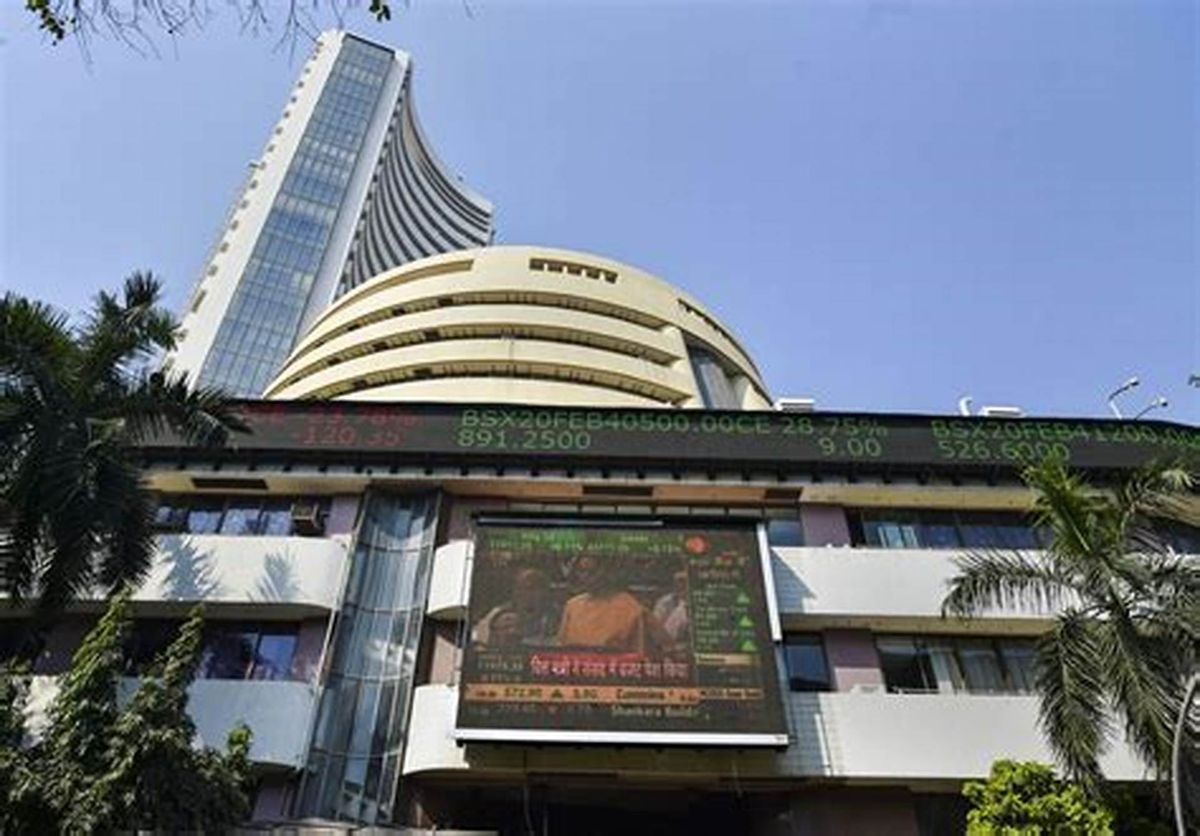
The Indian economy presents a complex picture of impressive achievements alongside persistent challenges. Its strengths include a large, youthful population; a vibrant entrepreneurial ecosystem; strong service sectors; and accelerating digital adoption.

Nuclear Bomb - What if?
Nuclear weapons are stored and maintained under extremely rigorous security and safety protocols. The most effective protection remains prevention of nuclear conflict through international diplomacy, arms control agreements, and crisis management mechanisms.

Indian Entertainment
When one thinks of Indian entertainment on a global scale, Bollywood immediately springs to mind. Based primarily in Mumbai, the Hindi film industry is a behemoth, producing a vast number of films annually, often characterized by their vibrant musical numbers

Indian Industry
India's economy has evolved into a multifaceted system encompassing traditional sectors like agriculture and textiles, as well as cutting-edge industries such as pharmaceuticals, information technology, and renewable energy.

Indian Cities
From the bustling metropolises that pulse with economic energy to the ancient centers steeped in history and culture, India's cities are the vibrant heartbeats of this diverse nation. These urban landscapes are dynamic microcosm.

Latest News
The political landscape is currently abuzz with discussions surrounding upcoming state elections in several regions. Parties are actively campaigning, focusing on issues ranging from economic development and job creation to social welfare programs.

Union Territories of India
Union territories are federal territories governed directly by the Central Government of India. Some UTs have their own legislatures and elected governments, while others are administered by appointed administrators or lieutenant governors.
Indian States
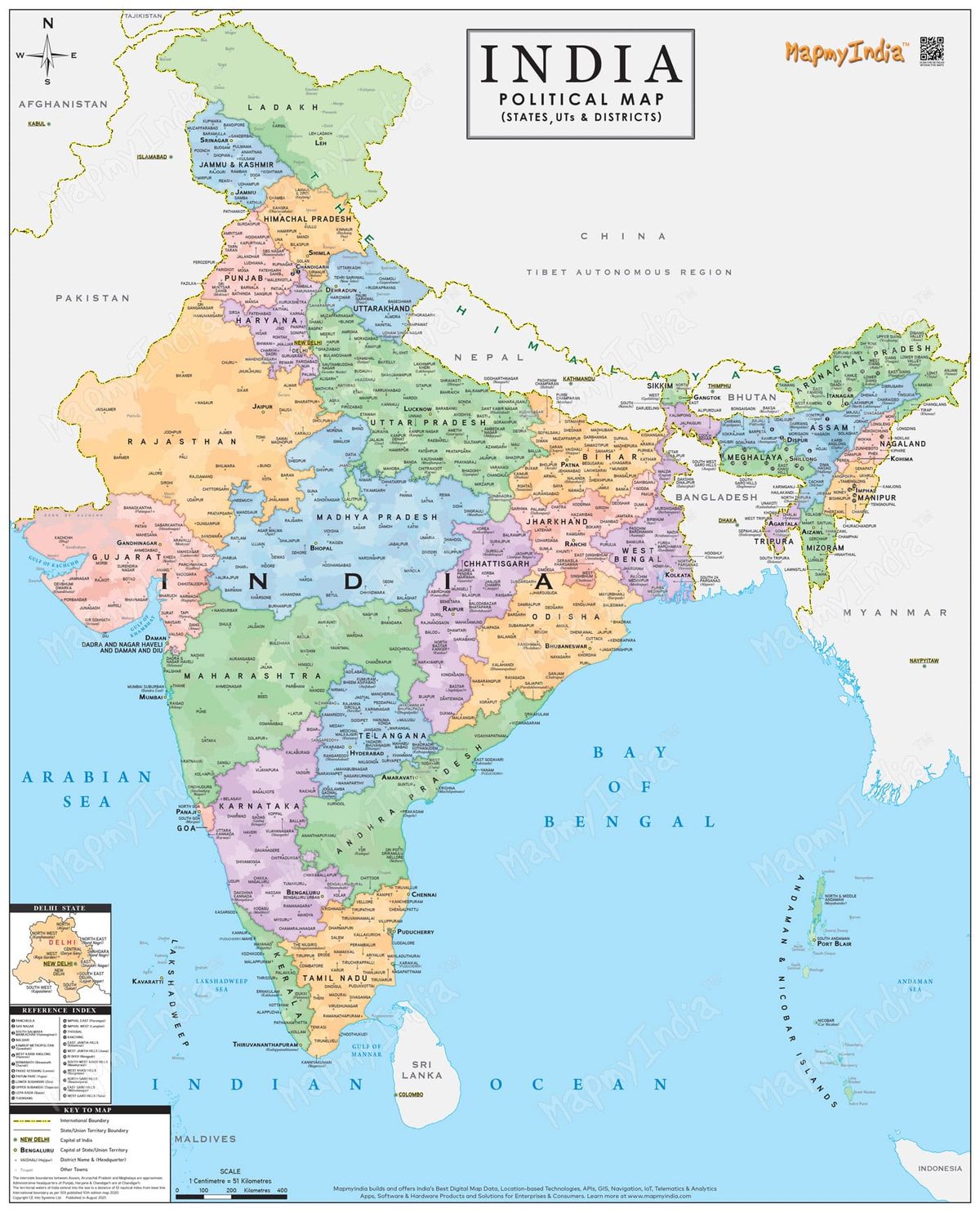
India comprises 28 states and 8 union territories, each with unique geographical features, economic strengths, cultural heritage, and governance structures. Each of these administrative divisions contributes uniquely to the nation's vibrant mosaic.
More in news

Ayurveda
Discover the ancient wisdom of Ayurveda from the heart of Kerala with AyurKerala—a comprehensive resource for personalized wellness rooted in tradition. This platform offers in-depth guidance on Ayurvedic philosophy, dosha analysis, dietary and lifestyle recommendations, herbal remedies,

Chandigarh India
The history of the area around Chandigarh dates back to the Indus Valley Civilization. Archaeological findings have revealed settlements in the region dating back thousands of years. However, the modern city of Chandigarh is a relatively recent creation.

Lakshadweep India
Lakshadweep is shrouded in mystery, with limited archaeological evidence. Local legends attribute the first settlement to the period of Cheraman Perumal, the last ruler of the Chera dynasty of Kerala.

Delhi India
Delhi's history spans several millennia, with evidence of continuous habitation from at least the 6th century BCE. It has served as the capital of numerous empires and kingdoms, each leaving its indelible mark on the city's landscape and culture.

Puducherry
Puducherry's history can be traced back to ancient times, with archaeological evidence suggesting Roman trade links in the vicinity. However, its documented history begins with the arrival of European traders. The Portuguese were the first to establish a factory in Puducherry in the 16th century.

Ladakh India
adakh's history is deeply intertwined with Tibetan culture and Buddhism. Archaeological evidence suggests settlements dating back to the Bronze Age. By the 1st century CE, Ladakh was part of the Kushan Empire. In the following centuries, it came under the influence of various Tibetan kingdoms.

Jammu and Kashmir India
The culture of Jammu and Kashmir is a vibrant blend of Hindu, Muslim, Sikh, and Buddhist traditions, reflecting the region's diverse history and geography. Distinct cultural identities are found in the Jammu, Kashmir Valley, and Ladakh regions.