

Surat is a modern industrial and commercial powerhouse exemplifies urban transformation in contemporary India. The city successfully balances traditional cultural values with modern aspirations, creating a dynamic environment that continues to attract people from across India.
Gujarat's Diamond City - A Comprehensive Guide
Surat, often called the "Diamond City" of India, is Gujarat's second-largest city and a major commercial hub with a rich historical legacy. This bustling metropolis on the banks of the Tapi River has evolved significantly over the decades into one of India's fastest-growing cities. Let's explore the multifaceted character of this vibrant city.
Geography and Climate
Situated along the western coast of India, Surat enjoys a strategic location approximately 306 km south of Gandhinagar, Gujarat's capital. The city spans both banks of the Tapi River, with its geography characterized by flat, alluvial plains. Surat experiences a tropical climate with hot summers (March-June), a monsoon season (July-September), and mild winters (November-February). The average annual temperature ranges between 24°C to 31°C, with summer peaks reaching 40°C.
Water Bodies and Natural Resources
Rivers and Flooding
The Tapi (Tapti) River is Surat's lifeline, flowing through the heart of the city before emptying into the Arabian Sea. However, this blessing sometimes becomes a challenge during monsoons. Surat has faced several devastating floods, notably in 1994, 2006, and 2013. These experiences have prompted significant improvements in the city's flood management infrastructure.
Dams and Water Management
The Ukai Dam (also known as Vallabh Sagar), located about 94 km from Surat, plays a crucial role in controlling the Tapi River's flow and preventing floods. Following the catastrophic floods, Surat developed one of India's most advanced flood warning systems and improved urban drainage networks.
Infrastructure and Development
Housing and Urban Planning
Surat's rapid growth has transformed its housing landscape dramatically. The city features diverse residential options from traditional pol houses in older areas to modern high-rises and townships in newer developments like Vesu, Adajan, and Piplod. The Surat Municipal Corporation (SMC) has implemented progressive urban planning policies, though affordable housing remains a challenge given the city's expanding population.
Transportation Networks
Roads
Surat has witnessed significant road infrastructure development with ring roads, flyovers, and the ongoing Outer Ring Road project easing congestion. The city is connected to major urban centers via National Highway 48 (Mumbai-Delhi).
Railways
Surat Railway Station is a major junction on the Western Railway's Mumbai-Delhi route. It handles over 160 trains daily, serving approximately 100,000 passengers. The station has undergone modernization with improved amenities.
Public Transportation
Surat's BRTS (Bus Rapid Transit System) has revolutionized public transportation with dedicated corridors. The city also operates an extensive city bus network. Auto-rickshaws and ride-sharing services complement these options for last-mile connectivity.
Airports
Surat Airport has seen remarkable growth, offering flights to major Indian cities including Delhi, Mumbai, Bengaluru, and Hyderabad. The nearby international airports include Ahmedabad (250 km) and Mumbai (290 km).
Water Transport
The city has initiated water transport services along the Tapi River, though these remain primarily tourist attractions rather than regular commuting options.
Economy and Industries
Diamond Industry
Surat processes over 90% of the world's rough diamonds, earning its moniker "Diamond City." The industry employs approximately 700,000 people across 3,500 cutting and polishing units. The Surat Diamond Bourse, one of the world's largest diamond trading centers, has further strengthened the city's position in the global diamond market.
Textile Sector
Known as the "Textile City," Surat produces around 40% of India's total man-made fabric output. The city houses over 650,000 power looms and is renowned for its synthetic fabrics, particularly sarees and dress materials.
IT and Services
Recent years have seen Surat's emergence as an IT destination with the development of the Surat Diamond Research and Mercantile (DREAM) City project incorporating an IT hub. Companies like TCS and Wipro have established operations in the city.
Markets and Commercial Centers
Surat's commercial landscape includes traditional markets in areas like Ring Road, Sahara Darwaja, and the bustling Textile Market. Modern retail experiences are available at malls like VR Surat, Rahul Raj Mall, and Imperial Square.
Agriculture and Natural Environment
Agricultural Production
The fertile plains surrounding Surat support diverse crops including rice, sugarcane, jowar, and various vegetables. The region is particularly known for its sugarcane plantations that feed the numerous sugar mills in the area.
Forests and Wildlife
While Surat city itself has limited forest cover, the surrounding districts feature patches of deciduous forests. The Vansda National Park (about 120 km from Surat) hosts wildlife including leopards, barking deer, and various bird species. Urban green spaces include the Sarthana Nature Park and the Japanese Garden.
Tourism and Recreation
Historical Attractions
Surat's rich history is reflected in monuments like the Surat Castle (Old Fort), built in the 1500s, and the Dutch Cemetery dating to the 17th century. The Chintamani Jain Temple and ancient mosques showcase the city's diverse architectural heritage.
Museums and Cultural Sites
The Sardar Patel Museum houses artifacts dating back to the 16th century. The Science Centre offers interactive exhibits, while the SIECC (Surat International Exhibition and Convention Centre) hosts major cultural events.
Entertainment and Lifestyle
Surat offers diverse entertainment options from multiplexes like INOX and PVR to recreational areas like Dumas Beach and the Surat Causeway. The city's vibrant nightlife centers around areas like Vesu and Pal, with numerous restaurants, cafes, and entertainment venues.
Sports Facilities
The Lalbhai Contractor Stadium hosts cricket matches, while the Indoor Stadium accommodates badminton, table tennis, and basketball tournaments. Local sports including kho-kho and kabaddi remain popular.
People and Culture
Demographics
Surat's population of approximately 6.7 million (2023) makes it Gujarat's second-largest city. The population is diverse, with native Gujaratis alongside significant communities from Rajasthan, Maharashtra, Odisha, and South Indian states.
Social Composition
While predominantly Hindu, Surat has substantial Muslim, Jain, and Parsi communities. The city is known for its social harmony despite its diversity. Various castes and communities coexist, with the Patidar, Khatri, and Jain communities playing important roles in business and trade.
Festivals and Celebrations
Surat celebrates major festivals with enthusiasm, particularly Navratri (featuring traditional garba dance), Diwali, and Uttarayan (the kite festival). The Chandi Padvo festival unique to Surat marks the beginning of the new financial year for diamond and textile merchants.
Cuisine
Surat's culinary scene is renowned for its street food, especially locho, surti khaman, ponk, and undhiyu. The city is famous for its variety of chaats and sweets. Coastal influence brings excellent seafood options, while traditional Gujarati thalis remain popular.
Education and Healthcare
Educational Institutions
Surat hosts the Sardar Vallabhbhai National Institute of Technology (SVNIT), Veer Narmad South Gujarat University, and numerous engineering and medical colleges. The city has seen growth in international schools offering CBSE, ICSE, and IB curricula.
Healthcare Facilities
The city's healthcare infrastructure includes major hospitals like the New Civil Hospital, SMIMER Hospital, and numerous private facilities including Kiran Hospital and BAPS Hospital. Surat has become a regional healthcare hub serving patients from south Gujarat and northern Maharashtra.
Challenges and Future Prospects
Urban Challenges
Despite impressive progress, Surat faces challenges including traffic congestion, housing affordability, and maintaining infrastructure to match its rapid growth. The city continues to work on slum rehabilitation and improving waste management systems.
Environmental Concerns
Air quality issues from industrial emissions and flooding risks remain concerns. The municipal corporation has implemented green initiatives including solar power projects and increased urban green spaces.
Future Development
The Smart City initiatives are transforming Surat with projects focusing on e-governance, smart traffic management, and improved public services. The DREAM City project and upcoming Diamond Bourse aim to position Surat as a global trading hub.
Conclusion
Surat's journey from a historic port city to a modern industrial and commercial powerhouse exemplifies urban transformation in contemporary India. The city successfully balances traditional cultural values with modern aspirations, creating a dynamic environment that continues to attract people from across India. With its robust economy, improving infrastructure, and progressive administration, Surat stands poised for continued growth and development as one of India's most important urban centers.
More in state capitals

Indore - Madhya Pradesh India
Indore represents the success story of a tier-two Indian city that has leveraged its entrepreneurial spirit, strategic location, and cultural heritage to create a vibrant urban center with high quality of life. From its remarkable cleanliness achievements to its mouth-watering cuisine

Amritsar - Punjab India
Amritsar stands as a testament to the resilience, cultural richness, and spiritual depth of Punjab. From the serene ambiance of the Golden Temple to the bustling energy of its markets, from the solemn reminder of history at Jallianwala Bagh to the patriotic fervor at the Wagah border.

Bhubaneswar - Odisha
Bhubaneswar is the capital and the largest city of Odisha, India. It is known for its ancient temples, modern planning and IT sector. Bhubaneswar is situated in eastern India along the eastern coastal plains, about 60 kilometers from the Bay of Bengal.
More in indian cities
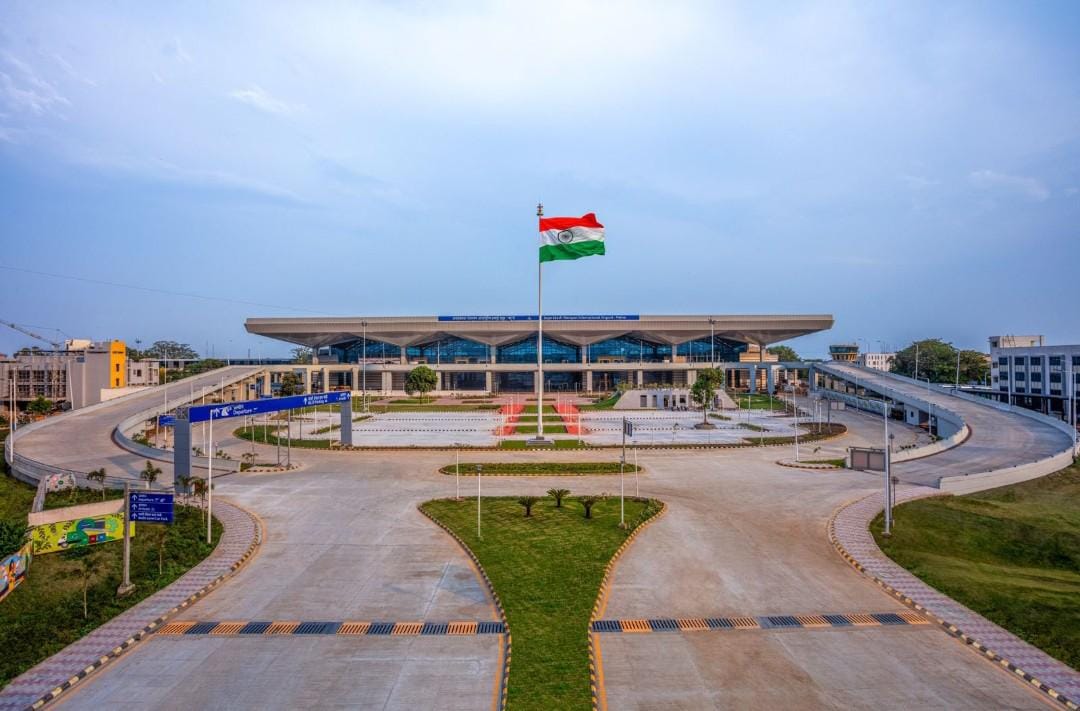
Patna Airport - Bihar India
Jay Prakash Narayan International Airport stands as a vital transportation hub for Bihar and the surrounding region, connecting one of India's most historically significant areas to the broader national and international aviation network.

Panaji - Panjim Goa
Panaji (also known as Panjim), the capital city of Goa, sits at the mouth of the Mandovi River. Panaji faces several key challenges including balancing tourism development with environmental sustainability.

Thiruvananthapuram
Under India's Smart Cities Mission, Thiruvananthapuram has implemented projects including integrated command and control center, smart roads with utility ducts, and intelligent traffic management systems. These initiatives aim to leverage technology for improving urban services and quality of life

Pune (Poona)
As Maharashtra's cultural heartland and emerging technology center, Pune's future lies in successfully integrating its historical identity with its aspirations as a global city—creating an urban environment that honors its past while embracing innovation and inclusivity.

Chennai (Madras)
Chennai's future trajectory balances economic growth with cultural preservation, as it continues to serve as South India's gateway while maintaining its distinctive Tamil character and traditions. The city's resilience, demonstrated adaptation to economic changes.

Kolkata (Calcutta)
The soul of Kolkata lies in its resilient spirit, intellectual tradition, and cultural richness that continue to define this eastern Indian metropolis as it moves forward in the 21st century. Kolkata was the first Indian city to develop a metro system: