

Uttar Pradesh is a microcosm of India — ancient yet evolving, spiritual yet industrial, and diverse in every way. It’s a land where mythology, history, and modernity converge. With its massive population, strategic location, cultural wealth, and developmental focus.
Certainly! Here's a detailed article on Uttar Pradesh , covering its history, culture, geography, industries, and more , suitable for educational, tourism, or informational use on platforms like Indias.com or SocialPulse.
Uttar Pradesh: The Heartland of India
🏛️ Introduction
Uttar Pradesh (UP), situated in northern India, is the most populous state in the country and a land of immense historical, cultural, and spiritual significance. Known as the "Heartland of India," it has played a pivotal role in shaping India’s political, religious, and cultural identity.
🧭 Geography & Climate
UP spans from the Himalayas in the north to the Vindhya hills in the south. It shares borders with Uttarakhand, Himachal Pradesh, Haryana, Delhi, Rajasthan, Madhya Pradesh, Chhattisgarh, Jharkhand, Bihar, and even Nepal. Major rivers like the Ganga, Yamuna, Ghaghara, and Sarayu traverse its fertile plains. The climate ranges from cold winters in the north to scorching summers across the Gangetic belt.
📜 History
Uttar Pradesh has a storied past dating back to ancient civilizations like Kosala and Vatsa. It was the seat of great empires including the Mauryas, Guptas, and Mughals. Cities like Varanasi and Ayodhya are among the oldest continuously inhabited cities in the world. UP was central to the 1857 revolt against British rule, and it has produced many national leaders, including multiple Indian Prime Ministers.
👥 People & Ethnicity
The population is predominantly Indo-Aryan. Major ethnic groups include Awadhis, Bhojpuris, Brajwasis, and Baghelkhandis. The state showcases a blend of Hindu and Muslim cultural elements, visible in language, attire, architecture, and festivals.
🗣️ Languages
Hindi is the official language. Urdu is also widely spoken and recognized as the second official language. Dialects like Awadhi, Bhojpuri, Braj, and Bundeli thrive in various regions.
🕌 Culture, Religion & Pilgrimage
UP is the spiritual epicenter of India , home to sacred cities like:
Varanasi : Hinduism’s holiest city.
Ayodhya : Birthplace of Lord Rama.
Mathura & Vrindavan : Associated with Lord Krishna.
Sarnath : Where Buddha gave his first sermon.
Kushinagar : Site of Buddha’s Mahaparinirvana.
Major religions include Hinduism, Islam, Buddhism, Jainism, and Christianity. The Ganga Aarti in Varanasi, Eid celebrations, and Buddhist pilgrimages exemplify the state's religious diversity.
🛕 Temples & Palaces
Famous religious and heritage sites include:
Kashi Vishwanath Temple (Varanasi)
Ram Mandir (Ayodhya)
Krishna Janmabhoomi (Mathura)
Buddhist Stupas (Sarnath, Kushinagar)
Taj Mahal (Agra) – A UNESCO World Heritage Site
Fatehpur Sikri and Agra Fort (Mughal Palaces)
🌇 Major Cities
Lucknow (Capital): A city of Nawabi elegance, known for kebabs and tehzeeb.
Kanpur : Industrial hub.
Varanasi : Spiritual capital of India.
Agra : Home to the Taj Mahal.
Noida & Ghaziabad : Modern IT and industrial cities.
Prayagraj : Confluence of the Ganga, Yamuna, and Saraswati; hosts Kumbh Mela.
🍛 Cuisine
UP cuisine varies by region:
Awadhi cuisine (Lucknow): Kebabs, biryani, korma.
Bhojpuri dishes : Litti-chokha, sattu.
Braj region : Sweets like peda, gujiya, and malaiyo.
Common staples: Roti, rice, lentils, seasonal vegetables, and dairy.
Street food: Chaat, kachori, samosa, and jalebi are ubiquitous.
🏥 Healthcare & Hospitals
The healthcare system includes a mix of:
Government hospitals (SGPGIMS Lucknow, KGMU)
AIIMS Gorakhpur and Rae Bareli
Private hospitals like Medanta and Fortis in Noida and Lucknow
The government is focusing on improving rural healthcare through initiatives like Ayushman Bharat.
🏛️ Politics & Government
UP has a bicameral legislature and sends the largest number of MPs to the Indian Parliament (80 Lok Sabha seats). The Chief Minister heads the state government. UP has historically played a central role in national politics and has produced several Prime Ministers, including Jawaharlal Nehru and Atal Bihari Vajpayee.
🛣️ Transportation Infrastructure
🚉 Railways
Northern and North Eastern Railway zones cover UP.
Key junctions: Lucknow, Kanpur, Varanasi, Allahabad, Gorakhpur.
✈️ Airports
Chaudhary Charan Singh Airport (Lucknow)
Lal Bahadur Shastri Airport (Varanasi)
Noida International Airport (under construction, Jewar)
Other airports: Kanpur, Agra, Gorakhpur, Prayagraj
🛣️ Roads & Bridges
Yamuna Expressway (Noida–Agra)
Agra–Lucknow Expressway
Purvanchal Expressway
Major bridges: Ganga and Yamuna bridges in Prayagraj, Kanpur, and Varanasi.
🎓 Education
UP is home to:
Banaras Hindu University (BHU)
Aligarh Muslim University (AMU)
IIT Kanpur
IIM Lucknow
Allahabad University
Dr. A.P.J. Abdul Kalam Technical University (AKTU)
Education initiatives focus on improving rural access and girl child education.
🏢 Industries
⚙️ Major Sectors
Textiles & Handicrafts : Chikan embroidery (Lucknow), Banarasi silk, carpets (Bhadohi).
Leather : Kanpur is a top leather exporter.
Agro-based industries : Sugar mills, food processing.
Tourism & Heritage : A key income source from religious, heritage, and medical tourism.
💻 IT Industry
Noida and Greater Noida are major IT-BPO hubs.
Companies like HCL, Infosys, TCS, and Wipro operate here.
🚗 Automobile & Electronics
Noida and Yamuna Expressway Industrial Development Authority (YEIDA) are nurturing EV and electronics manufacturing clusters.
🌾 Agriculture, Food & Milk Industry
UP is a leading producer of:
Wheat, sugarcane, rice, potatoes, and mangoes.
Dairying is widespread; Parag Dairy is a major brand.
Food processing units in western and eastern UP support farm-to-market transformation.
🎣 Fishing & Cattle Farming
Rivers and lakes support inland fishing.
Aquaculture is expanding in areas near Gorakhpur and Varanasi.
Cattle farming is integral to rural livelihoods, with dairy cooperatives gaining momentum.
🏗️ Dams & Irrigation
Rihand Dam , Matatila Dam , Ganga Barrage , and Upper Ganga Canal support irrigation and power.
UP has one of India’s largest canal networks, critical to its agrarian economy.
🏭 Textiles, Other Industries & Special Economic Zones
Textile parks in Barabanki, Bhadohi.
Handicrafts and metalworks in Moradabad.
Jewelry in Meerut and Varanasi.
SEZs and industrial parks in Greater Noida, Kanpur, and Lucknow are driving manufacturing and exports.
🕌 Tourism Highlights
Taj Mahal (Agra) – Icon of India.
Kumbh Mela – Largest religious gathering.
Ganga Aarti – Spiritual spectacle in Varanasi.
Buddhist Circuit – Kushinagar, Sarnath.
Wildlife sanctuaries – Dudhwa National Park.
🧘 Yoga & Spirituality
Cities like Varanasi and Prayagraj are hubs of yoga, meditation, and spiritual practices. Sarnath is central to Buddhist studies.
🧩 Conclusion
Uttar Pradesh is a microcosm of India — ancient yet evolving, spiritual yet industrial, and diverse in every way. It’s a land where mythology, history, and modernity converge. With its massive population, strategic location, cultural wealth, and developmental focus, UP continues to be a driving force in India's journey toward a dynamic and inclusive future.
More in india
Indian Economy
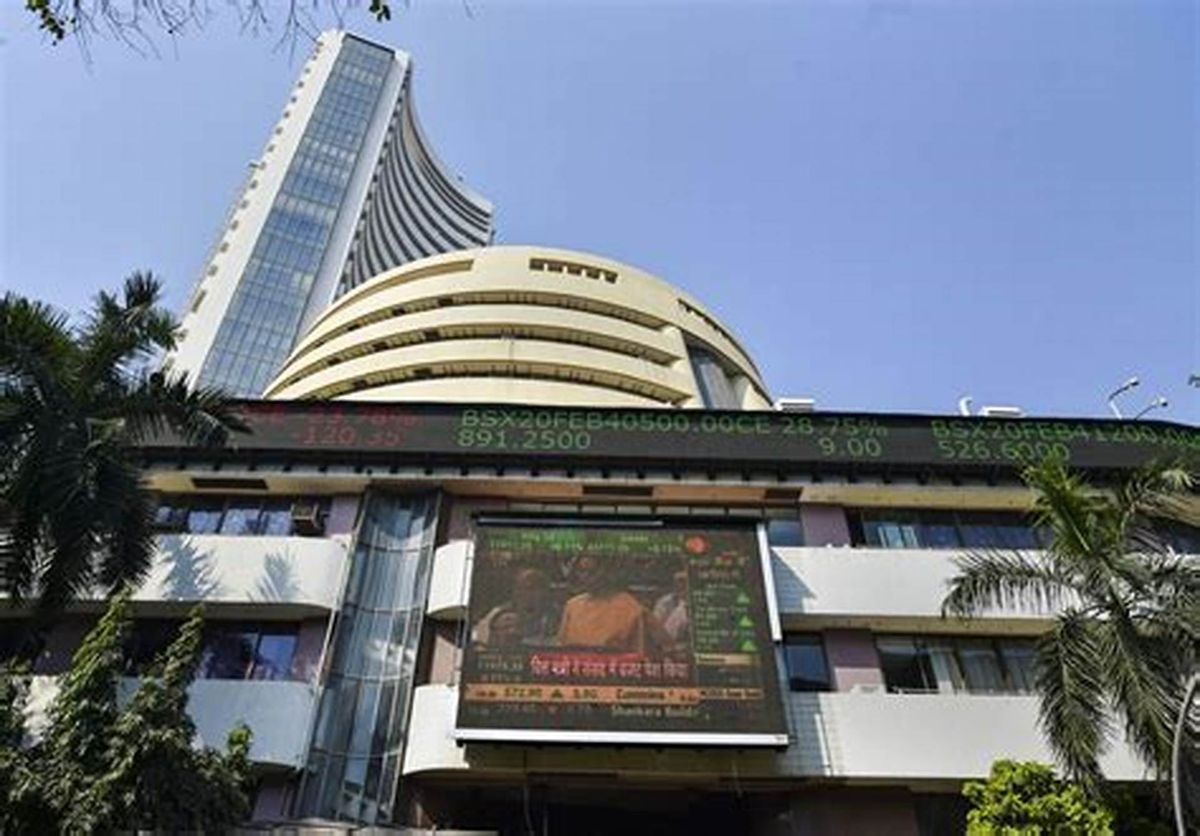
The Indian economy presents a complex picture of impressive achievements alongside persistent challenges. Its strengths include a large, youthful population; a vibrant entrepreneurial ecosystem; strong service sectors; and accelerating digital adoption.

Nuclear Bomb - What if?
Nuclear weapons are stored and maintained under extremely rigorous security and safety protocols. The most effective protection remains prevention of nuclear conflict through international diplomacy, arms control agreements, and crisis management mechanisms.

Indian Entertainment
When one thinks of Indian entertainment on a global scale, Bollywood immediately springs to mind. Based primarily in Mumbai, the Hindi film industry is a behemoth, producing a vast number of films annually, often characterized by their vibrant musical numbers

Indian Industry
India's economy has evolved into a multifaceted system encompassing traditional sectors like agriculture and textiles, as well as cutting-edge industries such as pharmaceuticals, information technology, and renewable energy.

Indian Cities
From the bustling metropolises that pulse with economic energy to the ancient centers steeped in history and culture, India's cities are the vibrant heartbeats of this diverse nation. These urban landscapes are dynamic microcosm.

Latest News
The political landscape is currently abuzz with discussions surrounding upcoming state elections in several regions. Parties are actively campaigning, focusing on issues ranging from economic development and job creation to social welfare programs.

Union Territories of India
Union territories are federal territories governed directly by the Central Government of India. Some UTs have their own legislatures and elected governments, while others are administered by appointed administrators or lieutenant governors.
Indian States
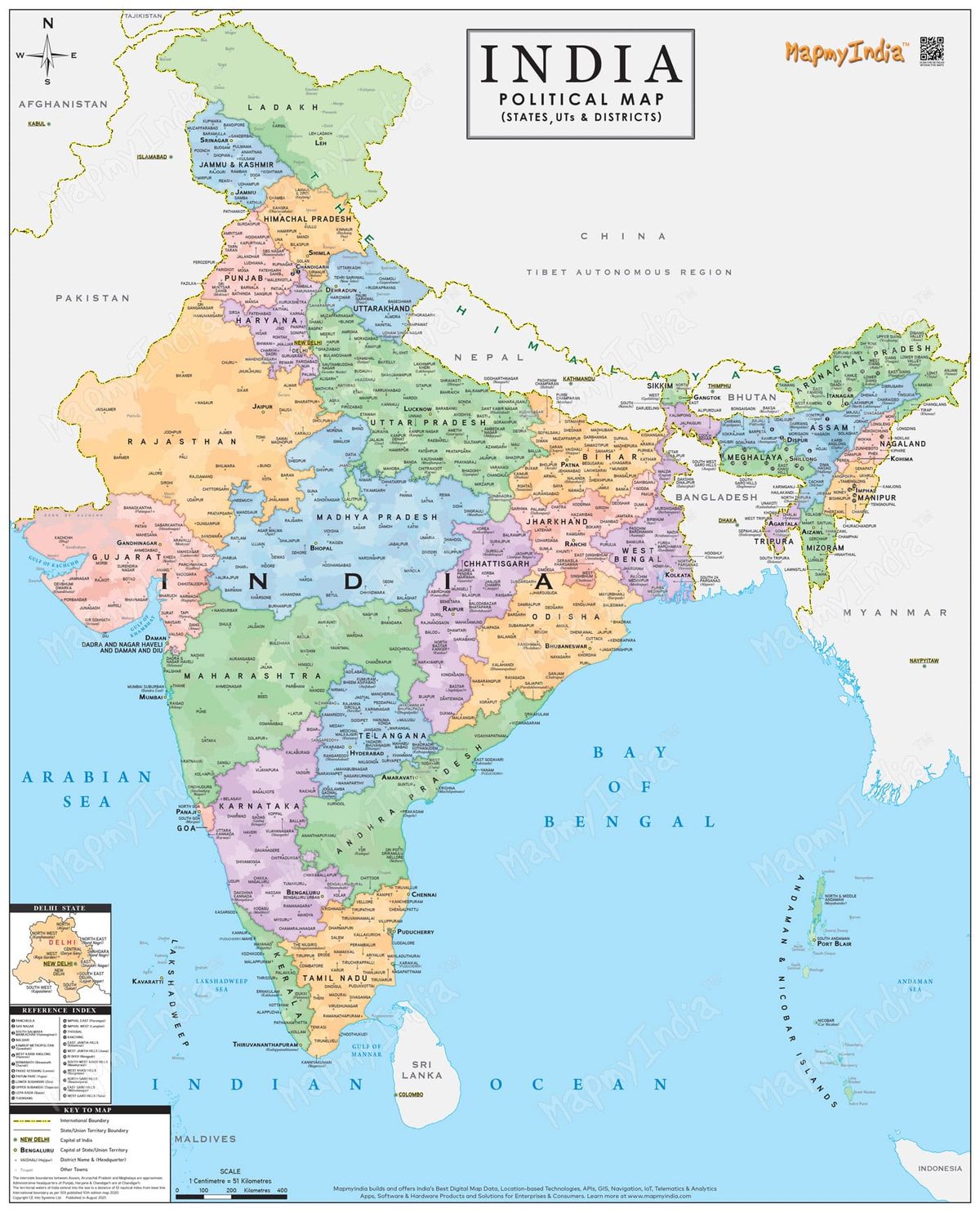
India comprises 28 states and 8 union territories, each with unique geographical features, economic strengths, cultural heritage, and governance structures. Each of these administrative divisions contributes uniquely to the nation's vibrant mosaic.
More in news

Ayurveda
Discover the ancient wisdom of Ayurveda from the heart of Kerala with AyurKerala—a comprehensive resource for personalized wellness rooted in tradition. This platform offers in-depth guidance on Ayurvedic philosophy, dosha analysis, dietary and lifestyle recommendations, herbal remedies,

Chandigarh India
The history of the area around Chandigarh dates back to the Indus Valley Civilization. Archaeological findings have revealed settlements in the region dating back thousands of years. However, the modern city of Chandigarh is a relatively recent creation.

Lakshadweep India
Lakshadweep is shrouded in mystery, with limited archaeological evidence. Local legends attribute the first settlement to the period of Cheraman Perumal, the last ruler of the Chera dynasty of Kerala.

Delhi India
Delhi's history spans several millennia, with evidence of continuous habitation from at least the 6th century BCE. It has served as the capital of numerous empires and kingdoms, each leaving its indelible mark on the city's landscape and culture.

Puducherry
Puducherry's history can be traced back to ancient times, with archaeological evidence suggesting Roman trade links in the vicinity. However, its documented history begins with the arrival of European traders. The Portuguese were the first to establish a factory in Puducherry in the 16th century.

Ladakh India
adakh's history is deeply intertwined with Tibetan culture and Buddhism. Archaeological evidence suggests settlements dating back to the Bronze Age. By the 1st century CE, Ladakh was part of the Kushan Empire. In the following centuries, it came under the influence of various Tibetan kingdoms.

Jammu and Kashmir India
The culture of Jammu and Kashmir is a vibrant blend of Hindu, Muslim, Sikh, and Buddhist traditions, reflecting the region's diverse history and geography. Distinct cultural identities are found in the Jammu, Kashmir Valley, and Ladakh regions.