

Indian vegetarian cuisine is diverse, flavorful, and deeply rooted in tradition. Whether you’re craving Kerala’s coconut-infused curries, Gujarat’s sweet-spicy thalis, or Jain fasting foods, India offers endless plant-based delights.
The Rich Tapestry of Indian Vegetarianism: A Culinary Journey Across States
India is one of the world’s most vegetarian-friendly nations, with nearly 30-40% of its population following a vegetarian diet due to cultural, religious, and ethical reasons. From the spicy curries of the South to the sweet and savory flavors of the West , each region offers unique vegetarian delicacies. This article explores Indian vegetarianism, regional varieties, vegan adaptations, popular vegetables, and iconic dishes , with a special focus on Kerala, Gujarati, and Jain cuisines .
1. Why is India So Vegetarian?
Religious Influence : Hinduism, Jainism, and Buddhism promote ahimsa (non-violence), encouraging plant-based diets.
Cultural Traditions : Many communities avoid meat for spiritual and ancestral reasons.
Economic & Agricultural Factors : Grains, lentils, and vegetables are more affordable and widely grown.
Vegetarianism vs. Veganism in India
Lacto-vegetarian (most common): Includes dairy (ghee, yogurt, paneer) but no eggs or meat.
Veganism (growing trend) : Excludes all animal products, including dairy and honey.
Jain Vegetarian : No root vegetables (onion, garlic, potatoes) to avoid harming microorganisms.
2. Regional Varieties of Indian Vegetarian Cuisine
A. North India
Staple Foods : Wheat (rotis, parathas), dairy (paneer, ghee), lentils (dal makhani).
Rajma Chawal (Kidney beans with rice)
Aloo Gobhi (Potato & cauliflower curry)
Kadhi Pakora (Yogurt-based curry with fritters)
B. South India
Staple Foods : Rice, coconut, tamarind, lentils.
Dosa, Idli, Sambar (Fermented rice-lentil dishes)
Avial (Mixed vegetables in coconut gravy)
Bisi Bele Bath (Spicy rice-lentil dish)
C. East India
Staple Foods : Rice, mustard oil, poppy seeds.
Shukto (Bitter gourd & veggie stew)
Dhokar Dalna (Lentil cakes in gravy)
D. West India
Staple Foods : Millet, peanuts, jaggery.
Thepla (Gujarat) (Fenugreek flatbread)
Zunka Bhakri (Maharashtra) (Chickpea flour curry with millet bread)
3. Kerala Vegetarian Food: Coconut & Spice Paradise
Kerala is known for its non-vegetarian seafood , but its vegetarian cuisine is equally rich.
Key Ingredients :
Coconut (oil, milk, grated)
Rice & Tapioca
Black Pepper, Curry Leaves, Mustard Seeds
Must-Try Dishes :
Avial (Mixed veggies in coconut-yogurt sauce)
Olan (Pumpkin & cowpeas in coconut milk)
Thorans (Stir-fried veggies with coconut)
Puttu & Kadala Curry (Steamed rice cake with black chickpea curry)
Idiyappam with Stew (Rice noodles in coconut milk curry)
Vegan Adaptations :
Replace ghee with coconut oil in curries.
Use coconut milk instead of dairy in stews.
4. Gujarati Vegetarian Food: Sweet, Spicy & Wholesome
Gujarat is predominantly vegetarian , with a unique sweet-sour-spicy balance.
Key Ingredients :
Jaggery, Sugar (for sweetness)
Dhokli, Bajra, Millets
Peanuts, Sesame Seeds
Must-Try Dishes :
Dhokla (Steamed fermented chickpea cake)
Undhiyu (Winter mixed vegetable dish)
Khandvi (Chickpea flour rolls with coconut)
Dal Dhokli (Lentil soup with wheat strips)
Shrikhand (Sweet yogurt dessert)
Vegan Adaptations :
Replace yogurt in kadhi with coconut milk.
Use plant-based sweets like sukhdi (jaggery-wheat dessert).
5. Jain Vegetarian Food: Strict No-Root Diet
Jainism prohibits root vegetables (onion, garlic, potatoes) to avoid harming soil organisms.
Key Rules :
No root veggies (onion, garlic, carrots, beetroot).
No fermented foods (some strict sects avoid idli/dosa).
Limited greens (only those plucked, not uprooted).
Must-Try Jain Dishes :
Jain Poha (Flattened rice with nuts & spices)
Sabudana Khichdi (Tapioca pearls with peanuts)
Jain Dal Bati (Lentils with wheat dumplings)
Vegan Adaptations :
Use nut milk instead of dairy.
Replace ghee with cold-pressed oils .
6. Popular Indian Vegetables & Vegan Dishes
Vegan-Friendly Dishes :
Chana Masala (Chickpea curry)
Masoor Dal (Red lentil soup)
Vegetable Biryani (Spiced rice with veggies)
7. The Future of Vegetarianism & Veganism in India
Rise of Vegan Restaurants (Eg: Carrots (Bangalore), Vegan Bites (Mumbai) ).
Plant-based meat alternatives (Soya chaap, mock meats).
Ayurvedic veganism (Focus on sattvic food).
Conclusion
Indian vegetarian cuisine is diverse, flavorful, and deeply rooted in tradition . Whether you’re craving Kerala’s coconut-infused curries, Gujarat’s sweet-spicy thalis, or Jain fasting foods , India offers endless plant-based delights .
More in vegetables
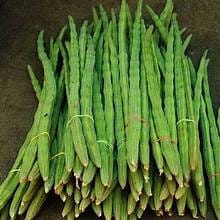
Moringa - Sahajan - Senjana
The Moringa tree is not just another green plant—it is a potential lifesaver in the fight against malnutrition and disease. As its popularity slowly grows in health circles, it’s imperative to ensure that this miracle tree is not only celebrated but also protected from waste and ignorance.

Indian cuisine
India's culinary landscape is as diverse as its people, with each region offering distinct flavors and specialties: It encompasses a vast array of flavors, ingredients, and cooking techniques, reflecting the country's diverse geography and rich heritage.

Indian Vegetables
India's vegetable sector is a vital component of its agricultural economy, providing nutrition, employment, and export earnings. With continued investment in infrastructure, research, and sustainable practices, India is poised to strengthen its position in the global vegetable market.