Restored from the original Indias.com state hub. Its AI-drafted descriptions and source claims remain pending editorial verification; the district list below uses the government directory checked on 19 November 2026.
Overview
Telangana, located in the southern part of India, is a dynamic state defined by its rich history, diverse culture, and significant economic contributions. Established on June 2, 2014, it was formed from the northwestern part of Andhra Pradesh, with Hyderabad serving as its capital. The state's identity reflects a blend of Telugu and Urdu languages, emphasizing its cultural diversity. Telangana plays a vital economic role in India, particularly in the information technology sector, which makes up a considerable portion of its economy. Additionally, the state is known for its cultural heritage, including traditional arts, festivals, and cuisines that highlight its unique character and traditions.
Telangana, one of the youngest states in India, was officially born on June 2, 2014. This south Indian state was carved out of Andhra Pradesh after a prolonged movement advocating for greater autonomy and representation. The name 'Telangana' is derived from the local dialect and reflects the cultural identity of its people. The capital city, Hyderabad, is not only the largest city in Telangana but also a crucial cultural and economic hub, recognized for its historical significance and its role as a center for technology and business.
Geographically, Telangana is characterized by its varied landscape that includes hills, plains, and agricultural fields. It is bordered by Maharashtra to the north, Chhattisgarh to the east, Karnataka to the west, and Andhra Pradesh to the south, giving it strategic importance in terms of trade and accessibility. The state is primarily known for its rich agricultural output, primarily embracing crops such as rice, maize, and cotton, which form the backbone of its rural economy.
Culturally, Telangana offers a unique tapestry woven from the influences of its diverse ethnic communities. The predominant languages spoken include Telugu and Urdu, which showcases its historical blend of different cultures and traditions. Festivals such as Bathukamma and Bonalu are celebrated with great fervor, emphasizing the state's deep-rooted customs and community spirit. The vibrant arts scene in Telangana, including renowned handicrafts, traditional music, and dance forms, is a testament to its rich heritage.
Economically, Telangana is one of the fastest-growing states in India, with Hyderabad emerging as a major IT powerhouse. The state hosts numerous tech parks and business incubators, contributing significantly to India's software and technology output. In addition to IT, other sectors such as pharmaceuticals, textiles, and agriculture are vital to its economy. The government's commitment to infrastructure development and investment in education further positions Telangana as a key player in India's growth story. As the state continues to evolve, it retains a strong sense of identity and cultural pride, setting it apart on the national stage.
Formation of Telangana
Telangana officially became the 29th state of India.
Telangana, a region in southern India, has a rich and complex history dating back to ancient times. It was once part of many significant dynasties, including the Mauryas, Kakatiyas, and Qutb Shahis. The area underwent various cultural influences, particularly during the medieval period when it became a hub of trade and culture. The colonial era brought significant changes as the British East India Company established control over the region, leading to widespread uprisings. The struggle for independence saw many from Telangana actively participating in the Indian freedom movement. After independence in 1947, the region went through a long and challenging journey understanding its identity, which culminated in the creation of a separate state, Telangana, in 2014. This narrative of Telangana encapsulates its journey through the ages, reflecting its unique cultural and historical significance.
The history of Telangana is characterized by a series of complex events and rich cultural traditions, beginning from its ancient origins. Evidence suggests that the region was inhabited as early as the Stone Age, when it served as a crossing point for various migrating tribes. The Mauryan Empire established early influence over the area around 300 BCE, under emperors like Ashoka, who promoted Buddhism and left behind several inscriptions.
The Kakatiya dynasty, which ruled from the 12th to the 14th centuries, significantly shaped the cultural landscape of Telangana. Under their reign, notable monuments such as the Warangal Fort and the Thousand Pillar Temple were constructed, showcasing the architectural brilliance of the time.
Following the Kakatiyas, the region experienced the rise of the Qutb Shahi dynasty in the 16th century, marking the establishment of Golconda as a prominent center of wealth and trade. The dynasty was known for its contributions to art, literature, and the Golconda fort's engineering marvels.
The 18th century brought the British colonial rule, effectively altering the region's administrative and socio-economic structures. The Hyderabad state was formally established in the early 20th century under the Nizams, who ruled with relative autonomy from British India but faced growing discontent due to oppressive governance and land revenue policies.
The struggle for independence saw significant uprisings in Telangana, notably the Telangana Rebellion (1946-1951) against feudal lords and the Nizam's rule. Many young leaders emerged during this period, advocating for a more equitable society and land reforms.
After India achieved independence in 1947, Hyderabad, including Telangana, was incorporated into the Indian Union in 1948. However, the demand for separate statehood intensified due to perceived neglect and lack of representation. In 1956, the States Reorganisation Act caused a merger with Andhra state, sparking resentment in Telangana over the perceived dominance of the Andhra region.
The movement for a separate Telangana state persisted, gaining momentum in the late 20th century. After years of political struggle, protests, and negotiations, Telangana was officially carved out of Andhra Pradesh, becoming India's 29th state on June 2, 2014, fulfilling the long-standing aspirations of its people for self-governance and administrative recognition.
Since its formation, Telangana has made strides in development and governance. The capital city, Hyderabad, has emerged as a global information technology hub. The state continues to enhance its cultural heritage while addressing the needs and aspirations of its diverse population.
Formation of the Hyderabad State
The state was formally established under the Nizams following the disintegration of the Mughal Empire.
History of Hyderabad, Government of Telangana · 1724
Telangana Rebellion Begins
A significant peasant uprising against feudal lords and the Nizam's rule.
The Telangana Rebellion, Government of India Archive · 1946
Formation of Telangana
The separate state of Telangana was officially recognized.
Government of Telangana Official Notification · 2014
Questions readers ask
What were the major dynasties that ruled Telangana?
Major dynasties included the Mauryas, Kakatiyas, Qutb Shahis, and the Nizams.
When was the Telangana Rebellion?
The Telangana Rebellion occurred from 1946 to 1951 against the Nizam's rule.
What is the historical significance of Hyderabad?
Hyderabad was established as the seat of the Nizams and evolved into a major cultural and economic center.
When did Telangana become a separate state?
Telangana became a separate state on June 2, 2014.
Telangana, located in South India, is bordered by the states of Maharashtra to the north and west, Chhattisgarh to the east, and Andhra Pradesh to the south and southeast. Covering an area of approximately 112,077 square kilometers, the state's geography is characterized by a diverse terrain including plateaus, plains, and hills. The Deccan Plateau dominates the landscape, resulting in a significant elevation variation across the region. Major rivers such as the Godavari and Krishna flow through Telangana, contributing to its agriculture and hydrology. The state does not have a coastline, as it is landlocked. The forests of Telangana, which cover about 24.5% of the area, are home to rich biodiversity, while various soil types support multiple crops. Notable symbols of its natural wealth include numerous lakes and reservoirs, with sources of natural resources like coal, granite, and minerals adding to the economy.
Telangana is positioned in the southern region of India, with the state capital being Hyderabad. The state is bordered by several regions, including Maharashtra to the north and northwest, Chhattisgarh to the northeast, and Andhra Pradesh to the south and southeast. The geographical coordinates place Telangana roughly between 15°58′N latitude and 78°57′E longitude.
With an area of approximately 112,077 square kilometers, Telangana is primarily set within the Deccan Plateau. This plateau is characterized by high elevation and rugged terrain, with average elevations ranging from about 300 to 600 meters above sea level. The state features varied geography, from rolling hills and expansive plains to rocky outcrops.
The terrain of the state is predominantly composed of several hills and low ranges. The following hills are notable: the Nallamala Hills in the east and the Mahabubnagar district, which are part of the Eastern Ghats. Meanwhile, the western regions are flattish with interspersed rocky formations, indicative of the plateau's geological composition.
The region’s rivers play a vital role in its geography. The Godavari and Krishna rivers are the two main rivers flowing through Telangana, both of which are significant for irrigation, drinking water, and hydro-electric power generation. They create fertile plains that support agricultural activities. Additionally, the river systems are complemented by several tributaries, ensuring a diverse watershed.
Though Telangana is a landlocked state, it boasts a considerable number of lakes, including Hussain Sagar Lake in Hyderabad, which is a major tourist attraction. Other important lakes include Osman Sagar and Nalgonda Lake, contributing to the region's water supply and irrigation.
Wetlands are scattered throughout the state, providing essential habitats for wildlife and supporting ecosystems. These wetland areas are critical for biodiversity and help in maintaining the ecological balance.
Telangana's forests cover about 24.5% of its area and are mainly found in districts like Adilabad, Khammam, and Warangal. These forests are rich in flora and fauna and contribute to the state's biodiversity, including various species of birds, mammals, and medicinal plants. The diversity in vegetation ranges from moist deciduous to dry deciduous forests, offering habitats for numerous wildlife species.
Soil types in Telangana include black cotton soil, red soil, and alluvial soil, which significantly influence agricultural productivity in the area. The black soil is particularly prevalent in the northern districts and is suitable for cotton cultivation, while red soil is found in the southern parts of the state and supports a variety of crops.
The state is rich in natural resources, including significant deposits of coal found in the Singareni coal fields, granite, and various minerals. These resources have spurred economic growth and development initiatives over the years.
In summary, Telangana presents a rich tapestry of geographical features, including plateaus, rivers, forests, and varied ecosystems. Its unique geography not only supports diverse wildlife and vegetation but also forms the backbone of the state's agricultural prowess and resource-based economy.
Area of Telangana
112,077 square kilometers
Government of Telangana · 2023
Forest cover in Telangana
24.5%
Forest Survey of India · 2021
Elevation of Deccan Plateau
Average 300 to 600 meters
Geological Survey of India · 2023
Questions readers ask
What are the major rivers in Telangana?
The major rivers in Telangana include the Godavari and Krishna, which are essential for irrigation and agriculture.
What percentage of Telangana is covered by forests?
Approximately 24.5% of Telangana's area is covered by forests, supporting diverse wildlife and ecosystems.
Is Telangana a landlocked state?
Yes, Telangana is a landlocked state and does not have a coastline.
What types of soil are found in Telangana?
Telangana has multiple soil types, including black cotton soil, red soil, and alluvial soil, each contributing to different agricultural practices.
What natural resources are abundant in Telangana?
Telangana is known for its significant deposits of coal, granite, and various minerals, which are key to its economy.
Telangana experiences a tropical savanna climate, marked by distinct seasons: summer, monsoon, and winter. The capital city of Hyderabad faces high temperatures during summer, often exceeding 40°C (104°F). The state receives most of its rainfall during the southwest monsoon from June to September, with average annual rainfall ranging from 800 to 1,200 mm. However, certain regions are more prone to fluctuations, leading to drought conditions. Humidity levels vary, peaking during the monsoon months. Regional hazards include heat waves, which can pose a health risk, and occasional cyclones affecting coastal areas. As Telangana is also susceptible to floods post-monsoon, monitoring and preparedness are essential for the safety of its residents.
Telangana is characterized by a tropical savanna climate (Köppen climate classification), which is primarily divided into three seasons: summer, monsoon, and winter.
Summer spans from March to June, with temperatures often soaring above 40°C (104°F). The state's interior experiences greater heat compared to the coastal areas. During this season, humidity levels are low, but the intense sun exposure can result in heat waves that pose health risks to the population, particularly the elderly and those with preexisting health conditions.
The monsoon season, which occurs from June to September, is crucial for the state's agriculture. The southwest monsoon brings significant rainfall, with Telangana receiving an average annual precipitation of 800 to 1,200 mm. The rainfall distribution is uneven; some regions receive excess water while others may face deficits, leading to drought conditions predominantly in the northern parts.
Post-monsoon, from October onwards, the state enters the winter season, where temperatures range from 8°C (46°F) to 25°C (77°F). Nights can be particularly cool, especially in rural areas.
Humidity is considerably high during the monsoon months, often exceeding 80%, which can lead to discomfort. After the monsoon season, humidity levels drop significantly, leading to a drier atmosphere during winter.
Telangana's geographical location makes it susceptible to certain natural hazards. The region can experience cyclones, primarily along its eastern border, as well as floods in low-lying areas during heavy rain events. Farmers and local authorities must manage these threats meticulously, particularly during the monsoon.
Additionally, drought is a recurring issue in Telangana, particularly in districts like Mahbubnagar and Ranga Reddy, where inadequate rainfall can severely impact crop yields and water availability for communities. Drought management strategies include rainwater harvesting and improved irrigation practices.
Landslides are a less common hazard but can occur in hilly areas during heavy rains, posing a risk to nearby settlements. Planning and infrastructure development in these regions should focus on minimizing risks associated with landslides.
In conclusion, the climate of Telangana is marked by its tropical savanna characteristics, necessitating adaptive measures to deal with seasonal extremes and potential natural hazards. Understanding these climatic patterns is crucial for effective governance, especially in agriculture, urban planning, and disaster management.
Tropical savanna climate with three distinct seasons: summer, monsoon, winter
Summer temperatures often exceed 40°C (104°F)
Monsoon season runs from June to September with 800-1,200 mm average rainfall
High humidity during monsoon, significantly lower in winter months
Susceptible to heat waves, droughts, and cyclones
Occasional floods in low-lying areas during heavy rainfall
Average annual rainfall in Telangana
800-1,200 mm
India Meteorological Department · 2020
Summer temperature highs
Exceeds 40°C (104°F)
Telangana State Climate Report · 2023
Monsoon months
June to September
Indian Meteorological Department · 2023
Questions readers ask
What are the main seasons in Telangana?
Telangana has three main seasons: summer, monsoon, and winter.
How much rainfall does Telangana receive annually?
Telangana receives an average annual rainfall of 800 to 1,200 mm.
What temperatures can be expected during the summer?
Summer temperatures in Telangana often exceed 40°C (104°F).
What natural hazards does Telangana face?
Telangana is prone to heat waves, droughts, cyclones, and floods.
What are the humidity levels like during the monsoon?
During the monsoon, humidity levels can exceed 80%.
Telangana, a state in southern India, has a diverse and vibrant population. As of the 2011 Census, the state's population stood at approximately 35 million, and it has been experiencing a gradual growth rate. Urbanization is significant, with cities like Hyderabad and Warangal serving as major population centers. The linguistic landscape is predominantly Telugu and Urdu, reflecting the rich cultural heritage of the region. Literacy rates in Telangana have improved over the years, with the state recording a literacy rate of 66.54% in 2011. Migration patterns show a trend of urban migration, fueled by economic opportunities, particularly in the technology and service sectors. There are also significant diaspora communities, particularly in the Gulf countries and the USA, contributing to the cultural and economic dynamics of the state.
Telangana, formed in 2014, is a state located in the southern part of India with a rich cultural heritage and a dynamic population. According to the 2011 Census, the total population of Telangana was approximately 35.19 million. The state has experienced a substantial population growth rate over the years, influenced by various factors, including economic development and urban migration.
Urbanization is a notable trend in Telangana, with 38.87% of the population residing in urban areas as per the 2011 Census. Major population centers include the capital city of Hyderabad, which houses a population of over 6.8 million, making it one of the largest cities in India. Other significant urban centers in the state include Warangal, Khammam, Nizamabad, and Karimnagar.
The linguistic landscape of Telangana is primarily dominated by Telugu, which is the official language. Urdu also has a significant presence, particularly in urban areas. Additionally, various regional dialects and languages contribute to the state's linguistic diversity. This multilingual framework is reflective of Telangana’s rich culture and heritage.
In terms of education, the literacy rate in Telangana has shown a positive trend, standing at 66.54% according to the 2011 Census. However, there are considerable disparities between rural and urban areas. Urban regions typically have better educational facilities compared to rural counterparts, affecting literacy rates differently across the state.
Migration patterns in Telangana are shaped significantly by economic opportunities. Many residents migrate from rural areas to cities in search of jobs, with Hyderabad being a major hub for information technology, healthcare, and other service industries. This trend is accompanied by a growing diaspora, with many Telanganites settling in the Gulf countries, the USA, Canada, and Australia, contributing to the state’s economy through remittances and cultural exchanges.
Overall, the population of Telangana is characterized by its youthful demographic, rich linguistic diversity, and a notable blend of modernity and tradition. The state continues to evolve, driven by its people’s aspirations and the dynamic changes in the national and global landscapes.
Total population of Telangana: approximately 35.19 million (2011 Census)
Urbanization rate: 38.87% live in urban areas (2011 Census)
Telangana, a culturally rich state in southern India, boasts a unique blend of traditions and heritage that reflect its diverse history. The capital city, Hyderabad, is known for its historic architecture, vibrant arts scene, and culinary specialties. Telugu and Urdu are the primary languages spoken, showcasing the region's linguistic diversity. The state is renowned for its literature, music, and dance forms, including Kuchipudi and Oggu Katha. Festivals like Bathukamma and Bonalu highlight the rich cultural customs and ritualistic fervor of the local people. Traditional crafts and handlooms thrive, supported by institutions that preserve artistic legacies. Heritage sites such as the Golkonda Fort and the Qutb Shahi Tombs reflect Telangana's architectural prowess. The state's commitment to preserving its rich cultural identity is evident through various cultural institutions and museums, establishing Telangana as a vital contributor to India's cultural mosaic.
Telangana's culture is a vibrant tapestry that weaves together the traditions, languages, and customs of its people. The state predominantly speaks Telugu and Urdu, reflecting the linguistic confluence shaped by various historic influences. This diversity extends to literature, where celebrated poets and writers have emerged from the region, contributing significantly to Telugu literature, including folk tales and classical works.
The music scene in Telangana is as rich as its literary heritage, with distinct forms such as Carnatic music flourishing in the region. Folk music, often characterized by devotional themes, plays a vital role during local festivities. Dance forms like Kuchipudi, recognized for its graceful movements and spiritual narratives, are prevalent and often performed at cultural events. Additionally, Oggu Katha, a traditional form of storytelling through songs, adds to the artistic fabric of the state.
The state's theatre scene is also noteworthy, with traditional dramas and modern plays performed in various local dialects that resonate with the populace. Festivals such as Bathukamma, celebrated by women in the state, showcase the harmony between culture and nature, symbolizing the feminine spirit, while Bonalu is a festival dedicated to the goddess Mahankali and reflects the devotional fervor of the people. These celebrations serve not only as times of joy but also as a means to preserve and promote Telangana’s cultural identity.
Traditional clothing enhances this cultural identity, with women often wearing sarees made of Pattu, while men may be seen in Dhoti and Kurta, especially during festivals and ceremonies. The skill of handloom weaving remains a hallmark of Telangana’s craftsmanship, with products like Sankalp sarees gaining attention for their intricate designs and quality.
In terms of arts, Telangana is noted for its remarkable craftsmanship in figurative sculptures and intricate woodwork, deeply influenced by its rich historical context. Local artisans continue to produce various crafts, including bidri work—a unique metal inlay technique originating from the region.
Architecture in Telangana is a reflection of its illustrious past, prominently visible in heritage sites like the Golkonda Fort, which boasts an innovative water supply system, and the grand Qutb Shahi Tombs showcasing Persian architectural styles. The presence of these historical sites attracts tourists and culture enthusiasts alike, contributing to the preservation efforts aimed at maintaining their significance.
Museums such as the Salar Jung Museum in Hyderabad house a vast collection of artifacts, showcasing various aspects of Telangana's rich history and art. Cultural institutions play a crucial role in promoting the arts, holding workshops and exhibitions that encourage participation from the local community and preserve traditional practices.
Furthermore, the gastronomy of Telangana, influenced by its historical rulers and local ingredients, adds another layer to its cultural diversity. Dishes such as Hyderabadi Biryani and various types of spicy curry delicacies are part of the rich culinary tradition that attracts food lovers from across the country.
Overall, Telangana's culture is a vibrant blend of history, tradition, and modernity. With its rich heritage preserved through festivals, music, dance, traditional clothing, and crafts, the state continues to celebrate its unique identity while welcoming contemporary influences.
Telangana, with its capital in Hyderabad, is renowned for its rich and diverse culinary heritage, consisting of both vegetarian and non-vegetarian dishes that highlight local ingredients and spices. The staple food of the region is rice, often served with a variety of flavorful gravies and curries. Popular dishes include Hyderabadi biryani, which features fragrant rice cooked with marinated meat, and a variety of lentil-based dishes known as 'pulses'. Street food is vibrant, with snacks like 'puri', 'bomma' and 'samosa' readily available. Beverages include traditional drinks such as buttermilk and sugarcane juice. Festivals bring forth unique sweets like 'Qubani ka Meetha' and traditional dishes that showcase the region's rich agricultural produce. Key spices include red chili, turmeric, and coriander, showcasing the region's unique flavors, while seasonal foods reflect the local seasonal harvests.
Telangana's foodculture reflects the state's agricultural abundance, with rice as the staple food. The cuisine is heavily influenced by the local climate, geography, and agricultural practices, leading to both vegetarian and non-vegetarian options that are rich in flavor. The state is particularly famous for Hyderabadi biryani, a sumptuous rice dish cooked with marinated meat and aromatic spices that has gained popularity well beyond its borders.
In addition to biryani, the region boasts a variety of traditional dishes. For vegetarians, dishes like 'Gulla Karam' (spicy brinjal) and 'Pesarattu' (green gram dosa) are regular fixtures on the dining table. Non-vegetarian specialties include 'Nihari' (slow-cooked meat) and 'Haleem', a stew popular during the holy month of Ramadan. The cuisine thrives on a palate of spices and flavors, with common ingredients such as tamarind, curry leaves, and mustard seeds playing crucial roles.
Breakfast in Telangana often includes a variety of options like 'idli' (steamed rice cakes), 'upma' (semolina porridge), and 'dosa' (rice crepes) served with spicy chutneys.
Snacks and street food are an integral part of Telangana's culinary landscape. Popular items include 'bun kabab', 'vada pav', and a spicy variant of 'puri' called 'puri suji', enjoyed by many as quick bites. Vendors selling sweet and spicy 'chaat' entice locals and visitors alike.
Sweets are another highlight of Telangana's cuisine. Delicacies such as 'Qubani ka Meetha', made from apricots, and 'Gulab Jamun' are commonly served during festivals and celebrations. During festivals like Sankranti and Bonalu, special dishes are prepared that reflect the traditions and agricultural practices of the region, including the use of freshly harvested produce.
Beverages in Telangana range from simple buttermilk to rejuvenating sugarcane juice, offering a refreshing respite from the heat.
Overall, Telangana's food reflects a blend of tradition and local flavors. Its distinct culinary style is characterized by the use of natural spices, regional ingredients, and traditional cooking methods, making it an important aspect of the state’s identity.
Hyderabadi Biryani
A rice dish cooked with marinated meat, it is famous worldwide.
National Geographic · 2021
Pulses Consumption
Pulses are a significant part of Telangana's diet.
Indian Journal of Nutrition · 2022
Traditional Sweets
Qubani ka Meetha is traditionally served during festivals.
Telangana, a state in South India, has a diverse agricultural landscape that significantly contributes to its economy. The state's major crops include rice, maize, and cotton, which thrive due to its favorable climate and irrigation facilities. Telangana also boasts a rich variety of fruits like mangoes and bananas, along with an array of vegetables and spices that are cultivated in its fertile regions. The state has made strides in dairy and livestock farming, with the livestock sector supporting rural livelihoods. Fisheries are also a growing sector, thanks to the numerous water bodies. Major agricultural research institutions work collaboratively with farmer organizations to improve productivity and sustainability. The state experiences distinct seasonal variations influencing farming practices, with the Kharif and Rabi seasons being crucial for crop cultivation. Overall, Telangana's agricultural sector is marked by innovation, organization, and resilience, catering to both local and national markets.
Telangana, formed in June 2014, is situated in southern India and has its capital in Hyderabad. The state's agricultural profile is diverse, anchored around a variety of major crops, fruits, vegetables, and livestock. The fertile black soil of Telangana is particularly conducive to the cultivation of cash crops such as cotton, which remains a primary agricultural product in the region. The state ranks fifth in cotton production in India. Additionally, rice is another staple, predominantly cultivated in the Khammam, Warangal, and Nalgonda districts.
Apart from traditional crops, Telangana also witnesses significant cultivation of coarse cereals like jowar and bajra, alongside oilseeds such as groundnut and sunflower. The state is known for producing various fruits, particularly mangoes, with the renowned Banganapalle variety being a significant export product. Bananas, citrus fruits, and pomegranates are also extensively grown and contribute to Telangana’s agricultural diversity.
Vegetables play a vital role in the state's economy, with major production concentrated in districts like Ranga Reddy and Medak where farmers grow tomatoes, brinjals, and leafy greens. The state's climate favors spices as well, with turmeric and red chillies commonly produced, adding to both local consumption and export potential.
Livestock farming is crucial for the livelihoods of many rural families in Telangana. The state has seen a steady increase in dairy farming, with the establishment of multiple cooperatives that assist farmers in upgrading their productivity. The crossbred cow population has also been on the rise, improving milk yield and quality.
Fisheries in Telangana are developing rapidly, thanks to ample water resources including lakes, tanks, and rivers. The state promotes aquaculture, particularly in districts like Mahabubnagar and Nalgonda, catering to local demands as well as contributing to the state economy.
The geography of Telangana comprises several distinct agricultural regions. The northern and central regions are characterized by black soil conducive to cash crop farming, whereas the southern part features red soil that is more suited for horticulture and traditional crops. Irrigation plays a pivotal role, with projects like the Kaleshwaram Lift Irrigation Scheme aiming to enhance water supply to arid and semi-arid regions, thus transforming agriculture into a more reliable enterprise.
Seasonal variations are prominent, with the Kharif season (June to September) being significant for sowing rice, cotton, and pulses, while the Rabi season (October to March) is ideal for wheat, oilseeds, and lentils. During these periods, farmers follow well-structured agronomic practices supported by governmental schemes and initiatives.
The state is home to various farmer organizations that work towards providing essential services, advocacy, and inputs to farmers. Additionally, agricultural research institutions, such as the Professor Jayashankar Telangana State Agricultural University, are at the forefront of developing innovative practices and technologies to foster sustainable agricultural growth. Their focus includes improving crop varieties, promoting efficient resource utilization, and enhancing the overall productivity of the agricultural sector. In summary, agriculture in Telangana emphasizes a blend of traditional practices and modern innovations, ensuring the livelihood of a significant part of its population while contributing to the state's economy.
Major crops: rice, cotton, maize, pulses
Significant fruit production: mangoes, bananas, pomegranates
Dairy farming supported by cooperatives and increased yield
Growing fisheries sector leveraging abundant water bodies
Innovative irrigation projects like Kaleshwaram Lift Irrigation Scheme
Strong focus on research and development in agriculture
Cotton Production Rank
5th in India
Ministry of Agriculture & Farmers' Welfare · 2022
Kharif and Rabi Seasons
June to September (Kharif), October to March (Rabi)
Government of Telangana · 2023
Agricultural Research Institutions
Professor Jayashankar Telangana State Agricultural University
University Records · 2023
Questions readers ask
What are the major crops grown in Telangana?
The major crops include rice, cotton, maize, pulses, and various oilseeds.
How is irrigation managed in Telangana?
Irrigation is managed through several projects including the Kaleshwaram Lift Irrigation Scheme, enhancing water supply to agricultural lands.
What role do farmer organizations play in Telangana?
Farmer organizations provide essential services, resources, and advocacy for improving agricultural productivity and livelihoods.
What types of fruits are commonly grown in Telangana?
Commonly grown fruits include mangoes, bananas, pomegranates, and citrus fruits.
Telangana, carved out of Andhra Pradesh in 2014, has rapidly developed into one of India's leading states in terms of economic performance. With Hyderabad as its capital, the state's economy is characterized by a mix of agriculture, manufacturing, and services. The Gross State Domestic Product (GSDP) stood at approximately ₹9.78 trillion in 2021-22, showing a growth rate of roughly 11.2% from the previous year. Key sectors driving the economy include information technology, pharmaceuticals, and agriculture, particularly rice and cotton. The state has been proactive in attracting foreign direct investment and has emerged as a hub for startups and micro, small, and medium enterprises (MSMEs). As a reflection of its economic vitality, Telangana boasts high per capita income and significant contributions from remittances, particularly from the workforce employed abroad.
Telangana's economy is diverse and vibrant, underpinned by significant advancements in various sectors since its formation in 2014. The state is strategically located in southern India, with Hyderabad functioning as a key economic center. The post bifurcation period has seen Telangana focus on enhancing its infrastructure and industrial base to attract investments, which has resulted in a rapid economic progression.
As of 2021-22, the Gross State Domestic Product (GSDP) of Telangana reached around ₹9.78 trillion. The growth rate for the state was noted at approximately 11.2% from the previous fiscal year. This performance is supported by significant contributions from major sectors, with the services sector leading the way, notably information technology and IT-enabled services. Hyderabad has emerged as one of the top destinations for IT companies, housing major global players and fostering a conducive environment for high-tech industries.
The agricultural sector remains crucial, contributing significantly to the state's economy. Telangana is known for its rice production, especially in districts such as Khammam, Warangal, and Nalgonda. Cotton, sorghum, and pulses are other critical crops cultivated in the state. The government has implemented various initiatives to boost agricultural productivity and ensure a better income for farmers.
Another vital component of Telangana's economy is its burgeoning manufacturing sector, which has seen substantial investments in textiles, pharmaceuticals, and biotechnology. The pharmaceutical industry, particularly in Hyderabad, often referred to as 'Pharma City', plays a pivotal role in the nation's pharmaceutical production and exports. The government has actively promoted the development of industrial parks and clusters to enhance growth in this sector.
Per capita income in Telangana has shown remarkable improvements, reflecting the overall economic growth. According to data released by the Telangana state government, the per capita income for the year 2021-22 was around ₹2.88 lakhs, indicating an upward trend in economic prosperity.
Employment opportunities in Telangana have expanded due to various initiatives aimed at skill development and entrepreneurship. The state has a strong base of micro, small, and medium enterprises (MSMEs), which have been crucial in providing employment and fostering local industries. The Telangana MSME policy encourages investment in small industries with ease of transactional processes and simplified regulations.
The startup ecosystem in Telangana has flourished with government support, nurturing innovative businesses, particularly in technology and e-commerce. The state's Startup Policy, aimed at promoting entrepreneurship, offers various incentives and resources to budding entrepreneurs, contributing to an environment ripe for innovation.
In terms of exports, Telangana is a significant player, particularly in sectors such as textiles, pharmaceuticals, and IT services. The state government provides support to exporters and implements various policies to enhance export competitiveness. Remittances also contribute extensively to the state's economy, with many residents working abroad, particularly in the Middle East, thereby boosting local purchasing power.
Finally, the investment climate in Telangana is conducive, with the government focusing on improving infrastructure, offering incentives for businesses, and streamlining regulations to attract domestic and foreign direct investments. The state's proactive approach and numerous initiatives pave the way for sustained economic growth and development in the coming years.
GSDP of ₹9.78 trillion in 2021-22, growing at 11.2%
Telangana, with its capital in Hyderabad, has rapidly emerged as a crucial industrial hub in India, especially in the south region. The state is renowned for its diverse industrial sectors, including information technology, pharmaceuticals, textiles, and manufacturing. Hyderabad, often termed 'Cyberabad,' is the epicenter of IT and digital services, hosting numerous multinational corporations and startups. The pharmaceutical industry is another stronghold, with the Hyderabad Pharma City being one of the largest in Asia. The textile industry is prominent in cities like Warangal and Karimnagar. Additionally, Telangana's mining sector is significant, contributing to the economy through the extraction of mineral resources. The state also promotes tourism, enhancing employment opportunities across various sectors. Collectively, these industries position Telangana as a growing economic power in India.
Telangana has witnessed remarkable industrial growth since its formation in 2014, establishing itself as a vibrant industrial state in South India.
The Information Technology (IT) sector is one of the major contributors to Telangana's economy, with Hyderabad being a global IT hub. Major tech companies like Microsoft, Facebook, and Google have established their presence here, facilitating the rise of countless tech startups. The state government has supported this sector through various initiatives, including tax incentives and state-of-the-art infrastructure like the HITEC City, which is home to several IT and business process management firms.
Pharmaceuticals also play a vital role in Telangana's industrial framework. The region is often referred to as the 'Pharmacy Capital of India,' with Hyderabad housing over 150 pharmaceutical companies. The Telangana Pharma City project exemplifies the state’s commitment to bolstering this industry, as it aims to create a dedicated industrial area for the pharma sector, enhancing production capabilities and export potentials.
Textiles are another significant industry in Telangana, especially in regions like Warangal and Karimnagar, which specialize in producing handlooms, cotton, and synthetic textiles. This sector not only supports the local economy but also provides employment to a large number of people, particularly women. The government has introduced various schemes to promote handloom and handicraft industries, ensuring sustainability.
Manufacturing is on the rise in Telangana, supported by an influx of investment and government policies aimed at fostering ease of doing business. The state has developed several industrial parks, such as the Sangareddy and Kakatiya Mega Textile Park, attracting national and international manufacturing firms.
The mining sector also contributes to Telangana's industrial landscape. The state is rich in mineral resources such as coal, limestone, and granite. The coal reserves in the Singareni Collieries stretch across Khammam and Adilabad districts, making coal mining a key player in power generation and industrial activities within the state.
Tourism has begun to emerge as another industry, with historical sites, temples, and natural parks attracting domestic and international visitors. These activities boost local businesses and create numerous job opportunities across sectors related to hospitality and travel.
In summary, Telangana is thriving as an industrial powerhouse, with its diverse sectors contributing to significant employment and economic growth. The government continues to focus on improving infrastructure and investment in various industries, setting the stage for future advancements.
Pharmaceutical companies in Telangana
Over 150
Pharma Resources Report · 2023
Contribution of IT sector to Telangana's GDP
Around 10%
NASSCOM · 2022
Textile exports from Telangana
Estimated at $2 billion
Textile Ministry of India · 2021
Singareni Collieries coal production
around 600 lakh tons per year
Singareni Collieries Company Limited · 2023
Questions readers ask
What are the major industries in Telangana?
The major industries in Telangana include information technology, pharmaceuticals, textiles, manufacturing, mining, and tourism.
Where is the main industrial hub in Telangana?
Hyderabad is the main industrial hub in Telangana, particularly known for its IT and pharmaceutical industries.
How has the textile industry evolved in Telangana?
The textile industry in Telangana has evolved with government support for handloom and manufacturing sectors, contributing significantly to employment and exports.
What role does mining play in Telangana's economy?
Mining plays a crucial role by providing essential minerals and coal, supporting the power generation and manufacturing industries.
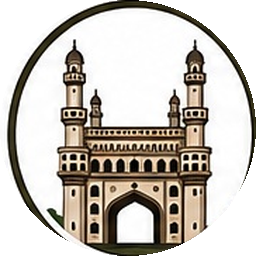
Telangana, a state in southern India, offers a unique blend of rich culture, historical significance, and natural beauty. The capital city, Hyderabad, is famed for its historic sites such as the Charminar and Golconda Fort, and is renowned for its culinary delights, particularly Hyderabadi biryani. The best time to visit Telangana is from October to March when the weather is pleasant for tourism. Apart from its urban attractions, the state boasts scenic hills and wildlife sanctuaries, making it a diverse travel destination. Whether exploring ancient temples, bustling markets, or enjoying adventure activities, there’s something for every traveler in Telangana.
Telangana, located in the southern region of India, is rich in culture, history, and natural landscapes. Its capital, Hyderabad, is a major urban center known for its unique blend of traditional and modern aspects. The city is famous for its palaces, bazaars, and culinary heritage, particularly the iconic Hyderabadi biryani which attracts food lovers from all over.
The best time to visit Telangana is between October and March, when the weather is mild and conducive for sightseeing. During these months, tourists can enjoy exploring the array of attractions without the oppressive heat of the summer.
Hyderabad is not the only gem in Telangana. The state is dotted with several attractions across its districts. Warangal, known for its heritage sites like the Warangal Fort and the Thousand Pillar Temple, offers a glimpse into the historical grandeur of the region. Kakatiya Temples, a UNESCO World Heritage Site, showcase intricate architecture and profound historical significance.
For nature enthusiasts, Telangana has diverse landscapes including the hills of the Eastern Ghats and wildlife sanctuaries like Kinnerasani Wildlife Sanctuary and Mahavir Harina Vanasthali National Park, where visitors can spot various species of flora and fauna. The picturesque Pochampally Village is another highlight, famous for its traditional Ikat weaving techniques.
Adventure seekers can engage in activities such as trekking in the forested hills of Mallela Theertham or exploring rock climbing opportunities in the area. The Godavari River also offers options for boating and river rafting, providing an exhilarating experience.
From temples in Basara to the serene beaches along the Krishna River, Telangana's rich tapestry of attractions ensures that every traveler finds something of interest. However, while enjoying the beauty of Telangana, responsible tourism is essential. Visitors are encouraged to respect local customs, minimize waste, and engage in sustainable practices, promoting the conservation of the eco-sensitive areas and heritage sites.
Overall, Telangana presents a compelling travel experience, balancing history, culture, adventure, and natural beauty, making it an ideal destination for both domestic and international travelers.
Telangana, with its capital Hyderabad, boasts a comprehensive transportation network that includes airports, railways, highways, and urban transit systems. The Rajiv Gandhi International Airport (HYD) serves as a key aviation hub, connecting the state to various domestic and international destinations. The state's railway infrastructure includes major stations such as Hyderabad, Secunderabad, and Warangal, facilitating effective rail connectivity. A network of national and state highways ensures smooth road transport, complemented by an extensive bus service operated by TSRTC. Additionally, Hyderabad has a growing metro system, and while the state has limited direct water transport, its proximity to ports like Visakhapatnam enhances cargo movement. This integrated transport system serves to promote economic growth and accessibility within and beyond the state.
Telangana’s transportation infrastructure is pivotal in fostering connectivity and economic development in the region.
**Airports**: The primary airport serving Telangana is the Rajiv Gandhi International Airport (IATA: HYD), located in Shamshabad, about 35 kilometers from Hyderabad. This airport plays a crucial role in both domestic and international travel, being one of the busiest airports in India with robust facilities and services tailored for travelers.
**Railway Stations**: The Telangana Railway Network is an integral part of the Indian Railways. Key railway stations in the state include the Secunderabad Junction, Hyderabad Deccan (Nampally), and Warangal. Secunderabad Junction is particularly notable as it serves as a major hub with trains connecting to various parts of the country, including long-distance express and passenger trains. This connectivity aids not only in daily commutes but also in tourism and freight transport.
**Highways**: Telangana is well-connected through a network of national and state highways. Major national highways, such as NH 44 and NH 65, facilitate smooth interstate travel and trade. These highways connect the state to neighboring states and significant cities, making road transport efficient and reliable. The Telangana state government continuously upgrades and maintains these roads to meet the rising demands of transportation.
**Bus Networks**: The Telangana State Road Transport Corporation (TSRTC) operates an extensive bus network across the state, providing affordable and convenient travel options for residents and tourists alike. TSRTC offers various services, including ordinary, express, and luxury buses, ensuring comprehensive coverage of urban and rural areas. In Hyderabad, the service includes intercity and suburban routes that significantly reduce travel times.
**Metro Systems**: The Hyderabad Metro, inaugurated in 2017, is a significant advancement in urban transport, providing a rapid and efficient mode of travel across the city. The metro system currently has three operational corridors that connect major neighborhoods and the airport, making it an attractive option for commuters. With plans for further expansion, the metro aims to enhance connectivity and reduce traffic congestion in Hyderabad.
**Ports and Water Transport**: Though Telangana is landlocked and has limited direct access to coastal shipping, it does have access to nearby ports, such as the Port of Visakhapatnam, which facilitate trade and transport of goods. Water transport options within the state are limited, with the Godavari River and Krishna River serving as potential avenues for small-scale transport and fishing activities.
**Ferries**: At present, Telangana has very few established ferry services due to its geographic and infrastructural constraints. However, the rivers in the region may offer opportunities for developing ferry services in the future, especially in response to urban planning and tourism strategies.
Overall, Telangana's transportation framework, characterized by its modern airport, extensive rail and road networks, efficient bus services, and emerging metro system, plays a vital role in supporting the state's growth and development. The government continues to invest in infrastructure improvements to enhance the connectivity and travel experience for residents and visitors alike.
Rajiv Gandhi International Airport
1st in India for international passenger traffic
Airport Authority of India · 2020
Railway Stations in Telangana
Over 600 railway stations serve Telangana
Indian Railways · 2021
TSRTC Bus Network
Operates over 10,000 buses
TSRTC Annual Report · 2023
Hyderabad Metro
Covers 69 km across 3 corridors
Hyderabad Metro Rail Limited · 2023
Highway Network
NH 44 is one of the longest highways in the country
Telangana, located in South India with Hyderabad as its capital, has made significant strides in its education sector since it became a separate state in 2014. The state's education system encompasses a wide range of schools, colleges, and universities, focusing on diverse fields such as engineering, medicine, and technology. Notable institutions include the Indian School of Business (ISB), University of Hyderabad, and Osmania University. The literacy rate in Telangana stands at 66.5% as per the 2011 Census, with efforts ongoing to improve this figure through various government initiatives. Major educational hubs include Hyderabad, Warangal, and Nizamabad, each offering a variety of academic programs and courses to cater to the growing demand for quality education.
The education system in Telangana is divided into several levels, including primary, secondary, and higher education. The state has implemented a dual system of education, where students can choose between government-run and private schools. Various boards govern the educational institutions, the most notable being the Telangana State Board of Secondary Education.
In terms of primary education, the state has made considerable efforts to improve enrollment rates and reduce dropout rates, especially among marginalized communities. Various initiatives, such as the mid-day meal scheme and scholarships for underprivileged students, are in place to enhance access to education.
Secondary education emphasizes skill development and prepares students for higher studies or vocational training. The curriculum is designed to be comprehensive, covering essential subjects such as Mathematics, Science, Social Studies, and Languages, primarily Telugu and English.
Moving to higher education, Telangana is home to some of the most prestigious universities and colleges in India. Osmania University, established in 1918, is one of the oldest and is well-regarded for its diverse fields of study, ranging from arts and sciences to engineering and law. The University of Hyderabad, known for its research programs, is another significant institution contributing to higher education in the region.
The Indian School of Business (ISB), located in Hyderabad, is recognized internationally for its management courses and has played a vital role in attracting students from various parts of the country and abroad.
Telangana also boasts a robust technical and medical education sector. The Jawaharlal Nehru Technological University (JNTU) offers numerous engineering programs that cater to the burgeoning IT and engineering sectors in the region. Additionally, the Kaloji Narayana Rao University of Health Sciences oversees various medical colleges, improving healthcare education.
Another critical aspect of Telangana's education system is the presence of research institutions. The Indian Institute of Technology (IIT) Hyderabad has established a reputation for innovation and excellence in engineering and technology. The state also has numerous research centers focused on various disciplines, significantly contributing to the academic landscape.
As per the 2011 Census, Telangana's literacy rate stands at 66.5%. Although this figure is lower than the national average, the state government has launched multiple initiatives to enhance literacy and educational outcomes, especially among women and rural populations. Programs focusing on adult literacy and skills training have been significant in improving the educational landscape.
In recent years, Hyderabad has emerged as a major educational hub, attracting students from all over India and internationally. The city's blend of traditional and modern educational institutions has created an environment conducive to academic growth. Other cities like Warangal and Nizamabad also play vital roles, supporting higher education and vocational training.
In summary, the education sector in Telangana is diverse and continually evolving. With ongoing efforts to improve literacy rates and enhance the quality of education, the state is well on its way to becoming a significant center for learning in India.
Literacy Rate
66.5%
Census of India · 2011
Establishment of Osmania University
1918
Government of Telangana
2008
Government of India
Total number of engineering colleges in Telangana
over 400
All India Council for Technical Education (AICTE) · 2023
FAQ
What is the literacy rate in Telangana?
As per the 2011 Census, the literacy rate in Telangana is 66.5%.
What are some notable universities in Telangana?
Which city is considered the educational hub of Telangana?
Hyderabad is recognized as the primary educational hub, attracting students from various regions and countries.
AI-drafted · pending editor review [Suggest a correction](https://indias.com/corrections?entity=Telangana§ion=Education%20in%20Telangana)
Telangana, with its capital in Hyderabad, boasts a diverse healthcare ecosystem characterized by a mix of public and private institutions. The state has made significant investments in its healthcare infrastructure, ensuring the availability of medical services across urban and rural areas. Government hospitals and public health facilities play a crucial role in providing accessible healthcare, while several renowned medical colleges contribute to the region's robust medical education landscape. Telangana has also emerged as a hub for medical tourism, attracting patients from across the globe due to its advanced facilities and specialized treatments. The regional healthcare system, primarily serving Telugu and Urdu speaking populations, continues to evolve, responding to the healthcare needs of its residents and visitors alike.
Telangana's healthcare infrastructure is a blend of government-run hospitals and private healthcare facilities. The state government has invested heavily in improving the healthcare system post its formation in 2014. Significant initiatives include the establishment of the KCR Kit program, which provides essential supplies and support to new mothers, and an extensive immunization program aimed at enhancing public health.
The state currently has a network of government hospitals spread across urban and rural areas, ensuring that healthcare services are accessible to a larger population. Major government hospitals in the capital city Hyderabad include Osmania General Hospital, Gandhi Hospital, and NIMS (Nizam's Institute of Medical Sciences), which are well-equipped to provide various medical services including emergency care, surgeries, and maternity services.
In addition to government hospitals, Telangana is home to numerous medical colleges that are integral to the training of healthcare professionals. Notable institutions include the Osmania Medical College and Kakatiya Medical College, both of which are recognized for their contributions to medical education and research. These colleges not only serve the local population but also attract students from other states and countries.
Another important aspect of healthcare in Telangana is the state's public health infrastructure. The Director of Public Health and Family Welfare oversees health programs aimed at maternal and child health, disease control, and community health services. The government emphasizes on preventive and promotive health measures, ensuring that the population has access to essential health services, particularly in rural areas.
Additionally, Telangana has seen a growth in medical tourism, particularly in Hyderabad. The city has made a name for itself as a destination for advanced medical procedures, especially in fields like cardiology, oncology, and organ transplants. Several hospitals have received international accreditation, ensuring that they meet high standards of care. This has led to an influx of patients from other countries seeking quality medical treatments, and the state has actively promoted this sector to further boost its economy.
The healthcare system in Telangana, while making strides in quality and accessibility, continues to face challenges associated with a rising population and the need for further investment in rural healthcare. Initiatives to improve telemedicine and healthcare technology are being explored to address these challenges. Overall, the dynamic healthcare landscape in Telangana reflects a commitment to enhancing the well-being of its citizens through comprehensive health services and innovations in medical care.
Government Health Schemes
KCR Kits provide support to over 2 lakh mothers annually.
Telangana Government Reports · 2023
Medical Colleges
There are more than 10 government medical colleges in Telangana.
Medical Council of India · 2023
Healthcare Accessibility
Over 50% of Telangana's population relies on government healthcare services.
Directorate of Public Health and Family Welfare, Telangana · 2023
Medical Tourism
Hyderabad attracts around 1.5 lakh medical tourists annually.
Telangana State Tourism Department · 2023
Questions readers ask
What are the major government hospitals in Telangana?
Key government hospitals include Osmania General Hospital, Gandhi Hospital, and Nizam's Institute of Medical Sciences (NIMS).
How many medical colleges are there in Telangana?
There are more than 10 government medical colleges providing education to aspiring healthcare professionals.
Is Telangana a hub for medical tourism?
Yes, Telangana, particularly Hyderabad, is recognized as a destination for medical tourism, attracting patients seeking advanced medical treatments.
What healthcare initiatives does the Telangana government provide?
The government runs various health initiatives including the KCR Kit program and extensive immunization campaigns to improve public health.
Telangana, located in southern India, is endowed with a diverse range of flora and fauna, making it a significant ecological region. The state boasts various wildlife sanctuaries, national parks, and biosphere reserves that are home to numerous species, both endemic and migratory. The forests in Telangana are rich with tree species such as teak, bamboo, and eucalyptus, while the rivers and wetlands provide vital habitats for aquatic life and birds. The Krishna and Godavari rivers serve as the lifeline for agriculture and the ecosystem in the region. Despite its natural abundance, Telangana faces environmental concerns including deforestation, pollution, and habitat loss, prompting conservation efforts by both the government and NGOs to protect its biodiversity and promote sustainable practices.
Telangana's natural environment plays a crucial role in its cultural and ecological identity. The state is characterized by a range of ecosystems, from dry deciduous forests to wetlands and river systems.
The forests of Telangana cover approximately 24.5% of the state's geographical area. The predominant tree species found in these forests include teak, bamboo, and a variety of medicinal plants. These forests are not only vital for the environment but also represent the socioeconomic fabric of the local communities who depend on them for their livelihoods.
In terms of wildlife, Telangana is home to several important species, including the Indian leopard, sambar deer, and various reptiles. The Nallamala Hills and the forests of Eturnagaram are particularly known for their rich biodiversity.
Telangana is endowed with several wildlife sanctuaries and national parks, including the Nagarjunsagar-Srisailam Tiger Reserve, which is one of the largest in India, spanning a vast area shared with Andhra Pradesh. This reserve has been designated to protect the critically endangered tiger and provides a safe habitat for numerous other species within its confines. Other notable reserves include the Mahaveer Harina Vanasthali National Park, which serves as a refuge for the Indian blackbuck.
Bird watching is immensely popular in Telangana, with sites like the Kolleru Lake attracting migratory birds from various parts of the globe. The lake is recognized for its ecological significance and provides an essential habitat for countless waterbirds, including pelicans and cranes.
Rivers such as the Krishna and Godavari not only sustain the region's agriculture but also support aquatic life and offer recreational activities. The numerous wetlands across the state further enhance its biodiversity, serving as critical habitats for fish, amphibians, and other wildlife.
Environmental concerns in Telangana include deforestation, which has been exacerbated by urbanization and agriculture. Climate change has also posed challenges, resulting in erratic rainfall patterns that threaten water availability. Pollution, particularly from industrial waste and plastic, contaminates water bodies and poses severe risks to local ecosystems.
In response to these environmental issues, various conservation efforts have been initiated. The state government, along with NGOs, is working on afforestation programs, wildlife protection measures, and community awareness campaigns to promote sustainable practices. These efforts aim to balance development needs with ecological preservation, ensuring that Telangana's natural heritage is safeguarded for future generations.
Through its varied ecosystems and biodiversity, Telangana stands as a testament to the importance of conservation and the nurturing of both wildlife and natural resources within the region. Continued efforts are essential to address the environmental challenges faced by the state, preserving its unique natural beauty for those who call it home and for future visitors.
Area under forest cover
24.5%
Forest Survey of India · 2021
Nagarjunsagar-Srisailam Tiger Reserve area
3,568 sq. km
National Tiger Conservation Authority · 2020
Ramsar designation
Ramsar Convention · 2002
Conserved species in Telangana
Indian blackbuck (Antilope cervicapra)
IUCN Red List · 2019
FAQ
What are the major national parks in Telangana?
The major national parks in Telangana include Nagarjunsagar-Srisailam Tiger Reserve and Mahaveer Harina Vanasthali National Park.
Which river systems are essential for Telangana's ecology?
What are the primary environmental concerns in Telangana?
Deforestation, pollution, and the impacts of climate change are significant environmental concerns in Telangana.
Are there any conservation efforts in place in Telangana?
What wildlife can be spotted in Telangana?
Telangana is home to a variety of wildlife including the Indian leopard, blackbuck, and numerous bird species in wetlands.
AI-drafted · pending editor review [Suggest a correction](https://indias.com/corrections?entity=Telangana§ion=Nature%20and%20Environment%20of%20Telangana)
1Telangana is home to the ancient city of Warangal, which was the capital of the Kakatiya dynasty renowned for its architectural marvels like the Warangal Fort and Thousand Pillar Temple.history
2The state has a unique floral symbol, the Banyan tree, which represents longevity and stability, reflecting the cultural heritage of Telangana.culture
3Hyderabad, the capital of Telangana, is one of the few cities in India that hosts a thriving population of the endangered species of bird, the Lesser Florican.nature
4The state is famous for its Irani chai, a unique tea that originated in Hyderabad and is enjoyed with Osmania biscuits, showcasing the culinary heritage of the region.culture
Timeline of Telangana
Key historical milestones
6th century CE
The region of present-day Telangana was part of the Vakataka dynasty.
8th century CE
Telangana came under the rule of the Rashtrakuta dynasty.
11th century CE
The Kakatiya dynasty established its rule in the region, leading to significant architectural contributions.
Telangana, a state in South India, has a diverse agricultural landscape that significantly contributes to its economy. The state's major crops include rice, maize, and cotton, which thrive due to its favorable climate and irrigation facilities.
Read more
Telangana, formed in June 2014, is situated in southern India and has its capital in Hyderabad. The state's agricultural profile is diverse, anchored around a variety of major crops, fruits, vegetables, and livestock. The fertile black soil of Telangana is particularly conducive to the cultivation of cash crops such as cotton, which remains a primary agricultural product in the region. The state ranks fifth in cotton production in India. Additionally, rice is another staple, predominantly cultivated in the Khammam, Warangal, and Nalgonda districts. Apart from traditional crops, Telangana also witnesses significant cultivation of coarse cereals like jowar and bajra, alongside oilseeds such as groundnut and sunflower. The state is known for producing various fruits, particularly mangoes, with the renowned Banganapalle variety being a significant export product. Bananas, citrus fruits, and pomegranates are also extensively grown and contribute to Telangana’s agricultural diversity. Vegetables play a vital role in the state's economy, with major production concentrated in districts like Ranga Reddy and Medak where farmers grow tomatoes, brinjals, and leafy greens. The state's climate favors spices as well, with turmeric and red chillies commonly produced, adding to both local consumption and export potential. Livestock farming is crucial for the livelihoods of many rural families in Telangana. The state has seen a steady increase in dairy farming, with the establishment of multiple cooperatives that assist farmers in upgrading their productivity. The crossbred cow population has also been on the rise, improving milk yield and quality. Fisheries in Telangana are developing rapidly, thanks to ample water resources including lakes, tanks, and rivers. The state promotes aquaculture, particularly in districts like Mahabubnagar and Nalgonda, catering to local demands as well as contributing to the state economy.
AI-drafted · pending editor review
Industry & livelihoods
Telangana, with its capital in Hyderabad, has rapidly emerged as a crucial industrial hub in India, especially in the south region. The state is renowned for its diverse industrial sectors, including information technology, pharmaceuticals, textiles, and manufacturing.
Read more
Telangana has witnessed remarkable industrial growth since its formation in 2014, establishing itself as a vibrant industrial state in South India. The Information Technology (IT) sector is one of the major contributors to Telangana's economy, with Hyderabad being a global IT hub. Major tech companies like Microsoft, Facebook, and Google have established their presence here, facilitating the rise of countless tech startups. The state government has supported this sector through various initiatives, including tax incentives and state-of-the-art infrastructure like the HITEC City, which is home to several IT and business process management firms. Pharmaceuticals also play a vital role in Telangana's industrial framework. The region is often referred to as the 'Pharmacy Capital of India,' with Hyderabad housing over 150 pharmaceutical companies. The Telangana Pharma City project exemplifies the state’s commitment to bolstering this industry, as it aims to create a dedicated industrial area for the pharma sector, enhancing production capabilities and export potentials. Textiles are another significant industry in Telangana, especially in regions like Warangal and Karimnagar, which specialize in producing handlooms, cotton, and synthetic textiles. This sector not only supports the local economy but also provides employment to a large number of people, particularly women. The government has introduced various schemes to promote handloom and handicraft industries, ensuring sustainability. Manufacturing is on the rise in Telangana, supported by an influx of investment and government policies aimed at fostering ease of doing business. The state has developed several industrial parks, such as the Sangareddy and Kakatiya Mega Textile Park, attracting national and international manufacturing firms. The mining sector also contributes to Telangana's industrial landscape. The state is rich in mineral resources such as coal, limestone, and granite.
AI-drafted · pending editor review
Education
Telangana, located in South India with Hyderabad as its capital, has made significant strides in its education sector since it became a separate state in 2014. The state's education system encompasses a wide range of schools, colleges, and universities, focusing on diverse fields such as engineering, medicine, and technology.
Read more
The education system in Telangana is divided into several levels, including primary, secondary, and higher education. The state has implemented a dual system of education, where students can choose between government-run and private schools. Various boards govern the educational institutions, the most notable being the Telangana State Board of Secondary Education. In terms of primary education, the state has made considerable efforts to improve enrollment rates and reduce dropout rates, especially among marginalized communities. Various initiatives, such as the mid-day meal scheme and scholarships for underprivileged students, are in place to enhance access to education. Secondary education emphasizes skill development and prepares students for higher studies or vocational training. The curriculum is designed to be comprehensive, covering essential subjects such as Mathematics, Science, Social Studies, and Languages, primarily Telugu and English. Moving to higher education, Telangana is home to some of the most prestigious universities and colleges in India. Osmania University, established in 1918, is one of the oldest and is well-regarded for its diverse fields of study, ranging from arts and sciences to engineering and law. The University of Hyderabad, known for its research programs, is another significant institution contributing to higher education in the region. The Indian School of Business (ISB), located in Hyderabad, is recognized internationally for its management courses and has played a vital role in attracting students from various parts of the country and abroad. Telangana also boasts a robust technical and medical education sector. The Jawaharlal Nehru Technological University (JNTU) offers numerous engineering programs that cater to the burgeoning IT and engineering sectors in the region. Additionally, the Kaloji Narayana Rao University of Health Sciences oversees various medical colleges, improving healthcare education.
AI-drafted · pending editor review
Healthcare
Telangana, with its capital in Hyderabad, boasts a diverse healthcare ecosystem characterized by a mix of public and private institutions. The state has made significant investments in its healthcare infrastructure, ensuring the availability of medical services across urban and rural areas.
Read more
Telangana's healthcare infrastructure is a blend of government-run hospitals and private healthcare facilities. The state government has invested heavily in improving the healthcare system post its formation in 2014. Significant initiatives include the establishment of the KCR Kit program, which provides essential supplies and support to new mothers, and an extensive immunization program aimed at enhancing public health. The state currently has a network of government hospitals spread across urban and rural areas, ensuring that healthcare services are accessible to a larger population. Major government hospitals in the capital city Hyderabad include Osmania General Hospital, Gandhi Hospital, and NIMS (Nizam's Institute of Medical Sciences), which are well-equipped to provide various medical services including emergency care, surgeries, and maternity services. In addition to government hospitals, Telangana is home to numerous medical colleges that are integral to the training of healthcare professionals. Notable institutions include the Osmania Medical College and Kakatiya Medical College, both of which are recognized for their contributions to medical education and research. These colleges not only serve the local population but also attract students from other states and countries. Another important aspect of healthcare in Telangana is the state's public health infrastructure. The Director of Public Health and Family Welfare oversees health programs aimed at maternal and child health, disease control, and community health services. The government emphasizes on preventive and promotive health measures, ensuring that the population has access to essential health services, particularly in rural areas. Additionally, Telangana has seen a growth in medical tourism, particularly in Hyderabad. The city has made a name for itself as a destination for advanced medical procedures, especially in fields like cardiology, oncology, and organ transplants.
Independent community stories and reporting, not a government complaint service. Posting here does not submit a complaint to an authority.
No matching published stories in the available feed. Browse the community and topic links below.
Topic links cover the available feed across India, not verified reports for this locality.
Official complaint channel · Government
For a public-service grievance, check the responsible department’s official process. CPGRAMS is the Government of India’s public-grievance portal, with its own scope and exclusions; it is not an emergency service or an RTI channel.
Telangana is a state in southern India on the Deccan Plateau bordering Maharashtra and Chhattisgarh to the north and Andhra Pradesh and Karnataka to the south. It is the eleventh-largest and the twelfth-most-populated state of India. According to the Rigveda's Aitareya Brahmana, the region corresponding to Telangana has been inhabited by the Asmakas and Andhras since at least the 8th and 9th century BCE, respectively, with the later Satavahana dynasty, who ruled over the entire Deccan Plateau, establishing trade relations as far as the Roman Empire. Subsequent major dynasties include the Vishn

 Telangana


