
India information · Places & topics
Dhimsa
Community dance associated with Araku and the adjoining Koraput region of Andhra Pradesh and Odisha
Wikipedia — Dhimsa ↗Indias.com source-based synthesis and abridgement of Wikipedia contributor text under CC BY-SA 4.0, captured 21 November 2026. Wording and organisation adapted; this is background information, not a live travel or administrative update. The Wikipedia dance source lacks precise inline citations; exact origin, variant counts and universal costume claims are not asserted.
Tags: Dhimsa · Araku Valley · Eastern Ghats · Odisha · Andhra Pradesh · culture
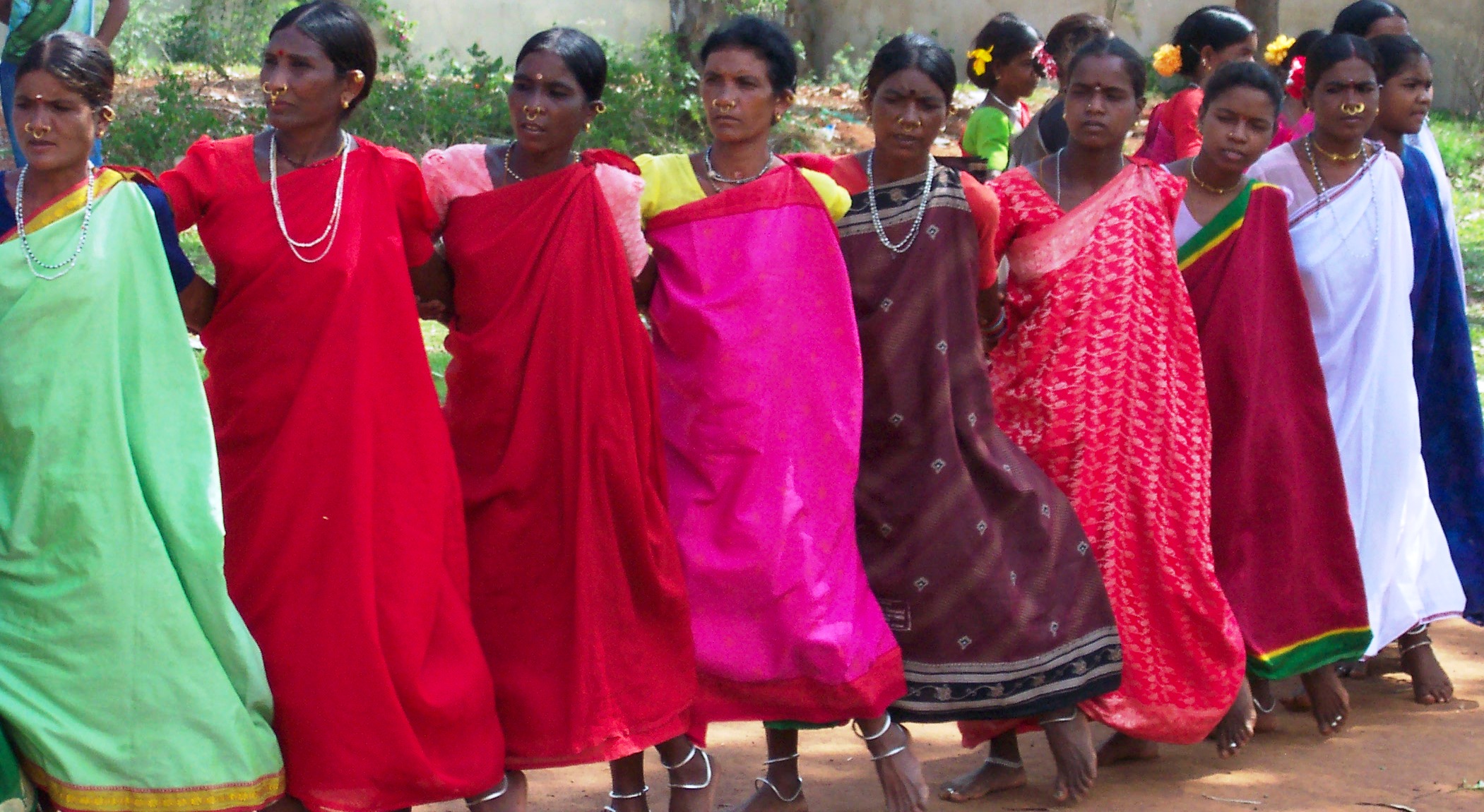
Dhimsa is a community dance associated with the Araku landscape in Andhra Pradesh and the adjoining Koraput region of Odisha. Group movement, rhythm and social participation are central to descriptions of the form. It should not be treated as belonging exclusively to one modern state.
The source describes dancers moving together in linked formations, with feet and hands responding to percussion. The photograph shows a performance in Araku Valley; it is a particular documented scene, not evidence that every community performs in precisely the same way.
Geography across the Eastern Ghats
Araku Valley and the Koraput region sit within the wider Eastern Ghats landscape. The Wikipedia source associates Dhimsa with Koraput and also discusses Araku and Borra Caves. These references show a cultural region that crosses state boundaries.
The source has an inline-citation warning, so its precise origin claims should be read cautiously. This page describes a regional association rather than declaring a proven single birthplace or assigning the tradition to all tribal communities.
Group formations and movement
The source describes linked dancers moving in circles that change in size, with coordinated steps and hand movements. Its account includes participation by people of different ages and by women and men.
The emphasis is collective rhythm rather than a solo display. Local names and variations appear in source descriptions, but this article does not turn an unevenly sourced list into a fixed universal classification.
Percussion and musical accompaniment
Instruments named in the source include dappu, tudumu, mori, kiridi and jodukommulu. The account emphasises percussion and movement to rhythmic accompaniment.
Terminology, instrumentation and arrangements may differ between performances. A photograph cannot establish which instruments were played, and a short regional summary is not a complete musicological description.
Community life and representation
The source links some movement imagery to daily activities, including farming and gathering. Such descriptions place dance in social life rather than reducing it to a tourist-stage attraction.
Clothing, ornaments and formations in an individual performance should be described specifically. They should not be used to claim one standard costume or identity for every community in Andhra Pradesh or Odisha.
Watching and learning respectfully
When attending a performance, ask the organiser or performers how they name their tradition and whether photography is welcome. Credit people and communities when that information is available, rather than using a generic label as a substitute.
This page does not promise a daily public show, festival date or ticket availability. The broader Eastern Ghats article provides geographic context, while the source links make the limits of this overview inspectable.
Related articles
- KalamkariTextile traditions of Srikalahasti and Machilipatnam–Pedana in Andhra Pradesh
- Telugu literatureTelugu-language writing across Andhra Pradesh, Telangana and Telugu-speaking communities
- NannayaEleventh-century Telugu poet associated with Rajamahendravaram and the Godavari region
- Visakhapatnam AirportA passenger guide to the coastal city's civil airport in Andhra Pradesh.
Related
- Andhra Pradesh state guide
- Eastern Ghats