No community stories in this category yet — here is a guide to the topic.
Government, Civic Services & Accountability in India
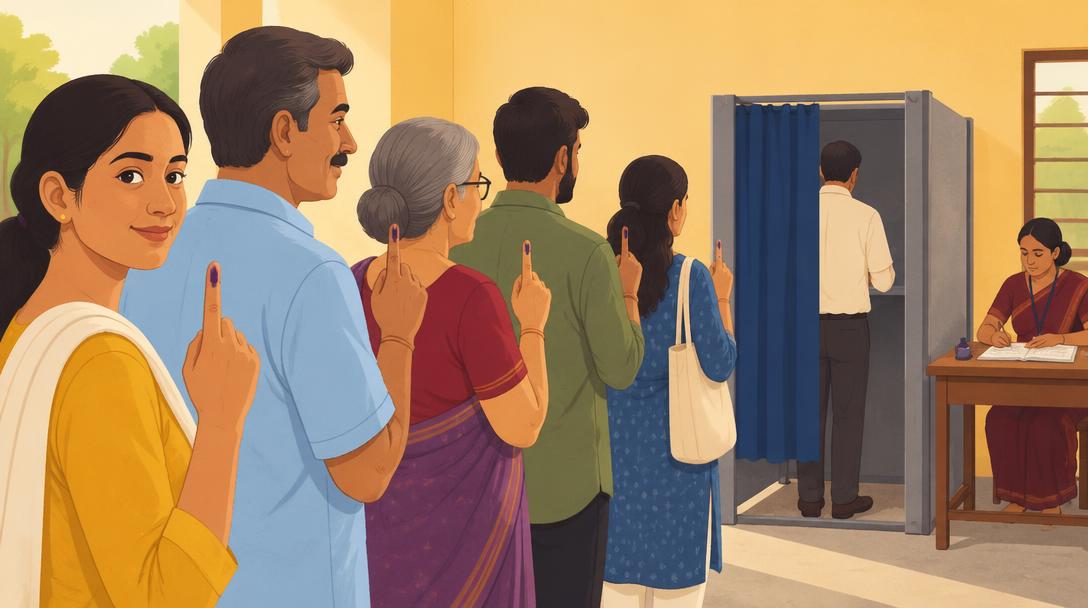
This guide outlines the essential relationship between Indian citizens and local administrative bodies responsible for public infrastructure and services. Understanding how to navigate these systems ensures that residents can effectively demand accountability and contribute to the improvement of their neighborhoods.
Why Civic Accountability Matters in India
Civic accountability is the cornerstone of functional urban and rural governance in India, governed largely by the 73rd and 74th Constitutional Amendment Acts. These laws empower local bodies like Municipal Corporations and Gram Panchayats to manage essential services. When citizens hold these institutions accountable, it ensures that public funds are utilized efficiently and that infrastructure projects meet safety standards. Active participation prevents the neglect of public assets and promotes a culture of transparency. In a developing economy, the quality of local governance directly impacts the ease of living, public health, and economic productivity. By engaging with local representatives and monitoring administrative performance, residents ensure that the government remains responsive to the actual needs of the community rather than operating in isolation.
Common Local Issues and Challenges
Residents across Indian cities and villages frequently encounter recurring civic hurdles that affect daily life. These include poorly maintained roads with potholes, erratic waste collection leading to unauthorized garbage dumps, and inadequate street lighting which poses safety risks. Water supply irregularities and clogged drainage systems, especially during the monsoon season, remain significant concerns for many households. Additionally, encroachment on public pavements and the lack of maintained parks or community spaces reduce the quality of urban life. These issues often persist due to a lack of regular maintenance schedules or delays in grievance redressal. Identifying these specific problems is the first step toward seeking a resolution through the appropriate administrative channels, as they fall under the direct jurisdiction of local urban bodies or village councils.
Taking Action Through Official Channels
Citizens can initiate change by utilizing established government portals and helplines designed for grievance redressal. For national-level concerns, the Centralized Public Grievance Redress and Monitoring System (CPGRAMS) provides a robust platform for lodging complaints. Locally, many states offer dedicated helplines, such as the 1912 number for electricity issues or specific municipal apps like the Swachhata-MoHUA app for sanitation and waste management. Residents should first approach their local Ward Councillor or Panchayat office to document the issue. When filing a complaint, it is essential to obtain a reference or tracking number to monitor the progress of the request. Utilizing the Right to Information (RTI) Act is another powerful tool for citizens to seek clarity on delayed projects or the allocation of local development funds.
Reporting Effectively on CivicPulse
To ensure your report on CivicPulse leads to actionable results, it must be factual, precise, and objective. Always include the exact location and the specific date the issue was observed to help authorities or fellow citizens identify the problem area. High-quality photos or videos are crucial as they provide visual evidence of the grievance, such as a broken water pipe or a dark street. Maintain a respectful and constructive tone, focusing on the facts of the situation rather than personal grievances. Avoid using inflammatory language or targeting specific individuals. A well-documented report that highlights the impact on the community is more likely to garner support and prompt a response from the relevant authorities, turning a private complaint into a collective call for civic improvement.
General guide. Check helplines and rules with your local body.