No community stories in this category yet — here is a guide to the topic.
Community Safety & Justice in India
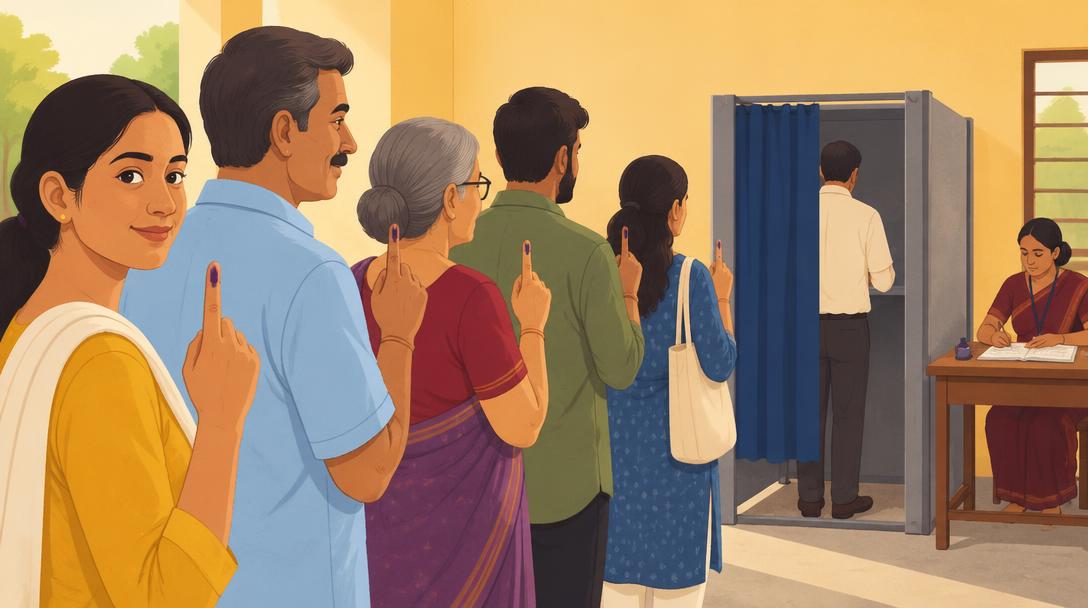
Community safety involves the collective efforts of residents and local authorities to create secure environments free from crime and hazards. Understanding the balance between law enforcement and social justice is essential for fostering inclusive and resilient neighborhoods across Indian cities.
Why it Matters in India
In a densely populated country like India, community safety is the foundation of social stability and economic growth. When neighborhoods are secure, children can play freely, businesses thrive, and residents enjoy a higher quality of life. Justice in this context means ensuring that every citizen, regardless of socio-economic background, caste, or gender, has equal access to protection and legal recourse. Promoting safety goes beyond just policing; it involves creating an environment where the vulnerable feel protected and the rule of law is respected by all. Strengthening the bond between the community and local authorities reduces fear and fosters a sense of belonging, which is crucial for the peaceful coexistence of India's diverse demographic groups.
Common Local Issues
Indian urban and rural areas face diverse safety challenges that impact daily life. Poor street lighting in residential colonies often creates hotspots for petty crimes like chain snatching or harassment, particularly affecting women and the elderly. Unregulated traffic, illegal encroachments on footpaths, and open manholes pose significant physical risks to pedestrians. In many high-rise complexes and gated communities, the lack of verified domestic staff or inadequate CCTV coverage can lead to security breaches. Furthermore, social issues like noise pollution from unauthorized events or public nuisance due to substance abuse can disrupt the peace of a locality. Addressing these issues requires identifying the specific environmental and social factors that contribute to insecurity at the ward or block level.
How Residents and Local Bodies Can Act
Citizens can take proactive steps by forming Neighborhood Watch groups or joining Resident Welfare Associations to monitor local security. Improving physical infrastructure, such as requesting better lighting from the Municipal Corporation, significantly deters crime. In India, the '112' Emergency Response Support System provides a single window for police, fire, and medical emergencies. For women's safety, the '1091' helpline is a dedicated resource. Residents should also utilize the CPGRAMS portal for filing grievances related to public services. Local bodies like the Gram Panchayat or Ward Committees play a pivotal role by organizing community policing initiatives and ensuring that public spaces are well-maintained. Collaborative efforts between the police and citizens through 'Mohalla Committees' can help resolve local disputes before they escalate.
How to Report Well on CivicPulse
When documenting safety or justice concerns on CivicPulse, accuracy and objectivity are paramount. Start by clearly stating the exact location, such as the street name, landmark, or ward number, and the date the issue was observed. Provide a factual description of the problem, such as 'non-functional street lights for two weeks' or 'unauthorized road blockage,' rather than using emotional language. Upload clear photos that capture the context of the hazard or safety gap without violating the privacy of individuals. Maintain a respectful and constructive tone throughout the report, focusing on the issue rather than blaming specific people. This professional approach ensures that your report is taken seriously by authorities and helps build a credible database for community improvement.
General guide. Check helplines and rules with your local body.