

List of fairs and festivals in Punjab, India
The Punjab has many fairs and festivals which are organised throughout the year. The following are some such fairs and festivals:
Read the full article on WikipediaState · North
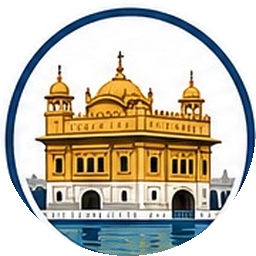 Punjab
ਪੰਜਾਬ
Loading events…
Events from IndianEvents.org · Add an event

Restored from the original Indias.com state hub. Its AI-drafted descriptions and source claims remain pending editorial verification; the district list below uses the government directory checked on 19 November 2026.
Punjab, located in northern India, is a state renowned for its rich cultural heritage, agricultural prowess, and vibrant community life. As a land of five rivers, it plays a crucial role in India's economy, particularly in the agricultural sector. The state is characterized by its distinct identity, marked by the Punjabi language, a diverse religious landscape, and a legacy of historical significance. Chandigarh, the state capital, serves as a modern urban hub, reflecting both the traditional and contemporary aspects of Punjabi culture.
Punjab is situated in the northern part of India, sharing borders with the Indian states of Haryana and Himachal Pradesh to the south and southwest, and the international border with Pakistan to the west. The state is defined by the fertile plains of the Indo-Gangetic region, with its name literally translating to 'Land of Five Rivers'—the Beas, Chenab, Jhelum, Ravi, and Sutlej. This geographical advantage has significantly contributed to the agricultural productivity that Punjab is famously known for.
Culturally, Punjab is a vibrant tapestry woven with rich traditions, festivals, music, and dance. The Punjabi language is not just a means of communication but is an emblem of identity that resonates with the spirit of the people. The state's cultural festivals, such as Baisakhi and Lohri, celebrate the agricultural cycle and reflect the community's deep-rooted values and joy for life. The music of Punjab, particularly its folk music and dance forms like Bhangra and Gidda, are integral components of its cultural expression that have found popularity beyond its borders.
Economically, Punjab plays a pivotal role in India’s agrarian landscape. It is often referred to as the Granary of India due to its significant contribution to the nation’s staple food supply. The green revolution of the 1960s, which introduced high-yield crop varieties and modern farming techniques, transformed Punjab into a major contributor of wheat and rice. The state’s economy is heavily reliant on agriculture, but it also has a growing industrial sector that includes textiles, manufacturing, and information technology.
Punjab is not only distinctive for its agriculture and culture but also for its historical significance. It has witnessed numerous important events in the Indian independence movement and is home to several historical sites, including the Golden Temple in Amritsar, a major pilgrimage for Sikhs. The state’s rich history and religious diversity add layers to its identity, with significant populations of Sikhs, Hindus, and Muslims coexisting and contributing to the societal fabric.
In terms of demographics, Punjab has a youthful population with a high literacy rate, which is a catalyst for the state’s advancement. The blend of traditional values with modern aspirations reflects in the progressive nature of its society. Punjab’s commitment to education and social welfare is evident in its innovative initiatives aimed at improving living standards and enhancing the quality of life for its citizens. This combination of location, culture, economy, and history makes Punjab a unique and essential state within India.
Government of India · 2023
Census of India · 2021
Ministry of Agriculture, India · 2022
Chandigarh is the capital of Punjab.
Punjab is named after the five rivers that flow through the region: Beas, Chenab, Jhelum, Ravi, and Sutlej.
The primary language spoken in Punjab is Punjabi.
Punjab is a major contributor to India's agricultural production, particularly in wheat and rice.
AI-drafted · pending editor review
Punjab, known for its rich history and cultural heritage, has been a significant region in India since ancient times. Its history spans from the era of the Indus Valley Civilization to the establishment of modern-day India. The region has witnessed the rise and fall of various kingdoms, including the Mauryas, Guptas, and the Mughals. During the British colonial period, Punjab played a pivotal role in the independence movement. Post-independence, the state saw significant changes in its political and social landscape, including the reorganization of states in 1966. Today, Punjab continues to be a land of agricultural abundance and cultural diversity, with its capital at Chandigarh, a city known for its modernist architecture.
Punjab's history dates back to ancient times, with evidence of the Indus Valley Civilization existing around 2500 BCE. This civilization was noted for its advanced urban planning, architecture, and trade networks. Following this period, Punjab became a part of various regional empires, including the Vedic civilization around 1500 BCE where it served as a cradle for Hindu culture and in the centuries that followed, the Mauryan and Gupta empires, which brought political stability and cultural advancement.
In the medieval period, the region became a center of Islamic culture and learning under the influence of the Delhi Sultanate and later, the Mughal Empire. The Mughals brought significant architectural and cultural developments, and the rise of Sikhism around the 15th century marked a pivotal change in Punjab’s sociopolitical landscape. Guru Nanak, the founder of Sikhism, was born in Talwandi (now Nankana Sahib, Pakistan), and his teachings inspired a strong following.
The establishment of the Sikh Empire in the early 19th century under Maharaja Ranjit Singh marked a golden age for Punjab, characterized by prosperity, military prowess, and tolerance among various religious communities. However, after Ranjit Singh’s death in 1839, the Sikh Empire faced internal strife and ultimately fell under British control by the mid-19th century, following two Anglo-Sikh Wars.
During British rule, Punjab became a key agricultural hub and contributed significantly to the British economy. The region was also a hotbed for the Indian independence movement, with many notable leaders emerging from Punjab, including Bhagat Singh and Lala Lajpat Rai. The infamous Jallianwala Bagh massacre in 1919, where British troops killed thousands of unarmed Indians, significantly galvanized public opinion against colonial rule.
Following India’s independence in 1947, Punjab was partitioned, leading to significant upheaval and communal violence as populations were displaced along religious lines. In 1966, the state was reorganized along linguistic lines, resulting in the formation of Haryana and the establishment of Punjab as a Punjabi-speaking state. Post-independence, Punjab has seen various socio-economic changes, including the Green Revolution in the 1960s, which transformed the state into a leading agricultural producer.
Today, Punjab is known for its vibrant culture, rich traditions, and significant contributions to India's economy, particularly in agriculture and industrial sectors. The state's capital, Chandigarh, serves as a testament to modern urban planning and regional development.
Amritsar Tourism · 2020
Wildlife Institute of India · 2021
The best time to visit Punjab is from October to March when the weather is pleasant.
Major attractions include the Golden Temple, Jallianwala Bagh, and the Rock Garden in Chandigarh.
Yes, Punjab is considered generally safe for tourists, with friendly locals and a low crime rate.
Tourists can enjoy historical tours, culinary experiences, and rural adventures like cycling.
Respect local customs, support local artisans, and participate in eco-friendly initiatives.
AI-drafted · pending editor review
Punjab, located in northern India, is bordered by the states of Himachal Pradesh, Haryana, and Jammu and Kashmir, and shares an international border with Pakistan to the west. The state's capital, Chandigarh, jointly administered with Haryana, serves as a major economic and cultural hub. Punjab encompasses an area of approximately 50,362 square kilometers, characterized predominantly by fertile plains, with the Sutlej River and its tributaries crisscrossing through the landscape. The terrain primarily consists of alluvial soil, making it one of India’s most agriculturally productive regions. With no mountains or coastlines, Punjab's landscape is defined by its extensive river systems and well-preserved wetlands, enhancing its biodiversity. The state possesses diverse natural resources, including minerals and groundwater, and continues to be a critical area for biodiversity and conservation efforts.
Punjab is a northern state in India, notable for its rich agricultural landscape and vibrant cultural heritage. It is bordered by the states of Himachal Pradesh to the north, Haryana to the south, and Jammu and Kashmir to the northeast. Additionally, Punjab shares a western border with Pakistan, which plays a significant role in the region's cultural and economic interactions. The capital city, Chandigarh, is a modern planned city that serves as a union territory and is a joint capital for both Punjab and Haryana.
The geographic area of Punjab spans approximately 50,362 square kilometers, making it one of the smaller states in India. The state is predominantly flat, with extensive alluvial plains formed by the rivers of Punjab, which include the Sutlej, Beas, and Ravi. The region lacks any significant mountain ranges or coastlines, but it is compelling due to its network of rivers that contribute to its agrarian productivity.
The terrain features sandy and loamy soils, primarily comprising alluvial soil from river deposits. This soil type is highly fertile and has led to Punjab being regarded as the 'Granary of India.' The state is a significant contributor to the country's food production, particularly wheat and rice.
Punjab's diverse ecosystems include several wetlands that support a variety of flora and fauna. Harike Wetland, a significant biodiversity hotspot, is home to numerous migratory birds and other wildlife, making it an essential area for conservation efforts. The region's forests, while less extensive than other Indian states, provide critical habitat for wildlife and are mainly located in the Shivalik hills in the northeastern part of the state.
In terms of natural resources, Punjab has considerable groundwater reserves that are vital for irrigation, especially in its predominantly agricultural landscape. This overreliance on groundwater has raised concerns regarding sustainability and environmental health. Additionally, Punjab has mineral resources such as gypsum and limestone, although they are not as extensively exploited as in other states.
Overall, Punjab's geography plays an essential role in its cultural and economic identity, supporting its reputation as one of India's most productive agricultural regions while highlighting the diversity of its natural environments.
Census of India · 2021
Punjab Irrigation Department · 2023
Ministry of Agriculture and Farmers' Welfare · 2020
The capital of Punjab is Chandigarh.
The major rivers flowing through Punjab are the Sutlej, Beas, and Ravi.
Punjab predominantly has alluvial soil, which is very fertile.
Yes, Harike Wetland is a significant biodiversity hotspot in Punjab.
Punjab is known for its high production of wheat and rice.
AI-drafted · pending editor review
Punjab, a northern Indian state with Chandigarh as its capital, experiences a diverse climate characterized by distinct seasons. The region predominantly has a humid subtropical climate with hot summers, a brief monsoon season, and cold winters. The temperature ranges from 45°C (113°F) in the height of summer to as low as 3°C (37°F) during winter nights. Rainfall is mostly concentrated during the monsoon months of July to September, contributing significantly to the state’s agricultural productivity. However, Punjab is also susceptible to regional hazards such as floods and heat waves, which can have pronounced effects on the environment and economy. Understanding Punjab's climate patterns is crucial for effective agricultural planning and disaster preparedness.
Punjab predominantly experiences a humid subtropical climate, which is influenced by both its geographical location and topographical features. This climate is characterized by high levels of humidity during the monsoon season and dry conditions in the winter months.
The state experiences four distinct seasons: winter, summer, monsoon, and a transitional season of spring and autumn. Winter lasts from December to February, during which temperatures can fall between 3°C (37°F) to 15°C (59°F). This season is marked by dense fog, particularly in January, which can affect visibility and transportation.
Conversely, the summer season (April to June) sees temperatures soaring to around 45°C (113°F) or even higher. May is typically the hottest month. With intense heat during this period, residents often experience heat waves, prompting health advisories.
The monsoon season, from July to September, brings much-needed rainfall, contributing to about 80% of the state's annual precipitation. The average annual rainfall ranges from 500 mm to 800 mm (20 to 31 inches), which is crucial for agriculture, especially for crops like rice and wheat. However, heavy rainfall can sometimes lead to flooding, particularly in low-lying areas, disrupting local agriculture and infrastructure.
The transitional months of October and November provide a respite from extreme temperatures, offering a milder climate conducive to harvesting. Frost can occur in late November and December, impacting crop yields in certain areas.
Humidity levels vary significantly throughout the year. The summer months witness heightened humidity due to the nearby Sutlej river and the adjacent Himalayan foothills, which can exceed 70% at times. In contrast, winter humidity levels drop and can lead to an increase in fog, notably impacting transport.
Punjab also faces several regional climatic hazards. In addition to periodic floods resulting from monsoon rains, the state is prone to droughts during years of inadequate rainfall. Heat waves are common during the summer, exerting strain on health services and agriculture. Landslides are relatively infrequent but can occur in hilly areas bordering the state.
Despite these challenges, Punjab's agricultural sector is highly developed and relies heavily on efficient water management practices, agro-climatic studies, and effective response mechanisms to tackle weather-related hazards. Through the adoption of resilient farming techniques, the state continues to navigate the challenges posed by its climatic conditions, aiming to secure sustainable agricultural production for its population.
Indian Meteorological Department · 2021
Indian Meteorological Department · 2020
Indian Meteorological Department · 2021
Punjab has a humid subtropical climate with hot summers, a brief monsoon, and cool winters.
The monsoon season in Punjab typically occurs from July to September.
Common hazards include floods, droughts, heat waves, and occasional landslides.
Temperatures can soar up to 45°C (113°F) during the summer months.
Humidity levels can exceed 70% during summer, which can contribute to discomfort and health issues.
AI-drafted · pending editor review
Punjab, a state located in the North region of India, has a rich cultural tapestry woven by its diverse population. As of 2021, Punjab's population was approximately 27.7 million, reflecting a slower growth rate in recent years. The urban to rural split is significant, with around 62% of the population residing in urban areas, leading to a high population density of approximately 610 people per square kilometer. The principal language spoken is Punjabi, which is an integral part of the state's identity. The literacy rate in Punjab stands at about 76.7%, a commendable figure that indicates a relatively high level of education among its residents. The state has notable migration patterns, both internal and international, with a large diaspora community, especially in countries like Canada, the United States, and the UK, nurturing cultural ties and remittances.
Punjab, known for its vibrant culture and history, is home to a diverse population. According to the 2021 Census, the total population of Punjab is approximately 27.7 million. The state's growth rate has shown signs of decline in recent decades, attributed to several factors, including economic migration and changing demographic trends.
The population density is significant at around 610 individuals per square kilometer, making Punjab one of the more densely populated states in India. Urbanization has accelerated in Punjab, with approximately 62% of the population living in urban areas, a trend that has transformed many districts into bustling urban centers. Major cities such as Amritsar, Ludhiana, and Jalandhar serve as important hubs for trade, commerce, and education, contributing to the state’s economic vitality.
Punjabi is the primary language spoken in Punjab, ingrained in the daily lives of the populace and used in education, media, and government. The literacy rate, as per the 2021 Census, stands impressively at about 76.7%, reflecting significant advancements in education. However, disparities exist between urban and rural literacy rates, with urban areas generally exhibiting higher literacy levels.
Migration plays an essential role in the demographic landscape of Punjab. Many people have migrated from rural areas to urban centers in search of employment opportunities. Additionally, a significant portion of the population has settled abroad, primarily in countries such as Canada, the United States, and the United Kingdom, creating a strong Punjabi diaspora. This diaspora maintains cultural ties with Punjab, offering financial support through remittances and fostering an international Punjabi identity. The remittances from the diaspora have been noted as a substantial contributor to the state's economy. Overall, the people of Punjab represent a blend of tradition and modernity, making the state a unique part of India’s multicultural fabric.
Census of India · 2021
Census of India · 2021
Census of India · 2021
Census of India · 2021
The primary language spoken in Punjab is Punjabi.
As of 2021, the literacy rate in Punjab is approximately 76.7%.
About 62% of Punjab's population resides in urban areas as per the 2021 Census.
Punjab has significant internal migration from rural to urban areas and a large international diaspora, particularly in Canada, the USA, and the UK.
AI-drafted · pending editor review
Punjab, a vibrant state in North India with Chandigarh as its capital, boasts a rich and diverse cultural heritage that reflects its history, traditions, and values. The state is prominently associated with the Punjabi language, music, dance, and an array of art forms. Punjabi culture features a strong emphasis on community values, which is evident in various local festivals celebrating agriculture, spirituality, and family ties. Traditional clothing, notably the colorful 'salwar-kameez' and turbans for men, showcases the cultural identity of Punjabis. The region is also famous for its folk music and dance forms like Bhangra and Gidda. Punjab houses numerous heritage sites and museums, preserving its history and architectural marvels that are testaments to its glorious past. The state's cultural institutions play a crucial role in promoting art, literature, and performance, making Punjab a noticeable hub of cultural activities.
Punjab's culture is a confluence of various traditions and practices that have evolved over centuries. The state is predominantly inhabited by the Punjabi-speaking population, and the language itself is a significant aspect of the culture, deeply embedded in daily life and artistic expressions.
Music is at the heart of Punjabi culture, characterized by its rhythmic and lively folk songs. Bhangra, a traditional dance form originating from the agricultural celebrations, is performed with exuberance and energy, whilst Gidda is the female counterpart, showcasing women’s spirit and vibrancy through dance. Instruments like the dhol, tumbi, and harmonium accompany these forms, further enriching the musical landscape of the region. Punjabi folk music has also gained national and international popularity, with many artists experimenting by blending traditional sounds with contemporary genres.
Theatre in Punjab has a unique identity, often showcasing stories rooted in the lives and struggles of the common people. Punjabi literature has flourished through poetry, novels, and dramas, reflecting the essence of Punjabi life, folklore, and history. Writers like Amrita Pritam and Shiv Kumar Batalvi have made significant contributions, gaining recognition not just in Punjab but across India and beyond.
Traditional clothing is another iconic feature of Punjab’s cultural landscape. The vibrant 'salwar-kameez' worn by women and colorful turbans donned by men symbolize Punjabi pride and identity. These garments are often embellished with intricate embroidery and designs, linking them to the region’s rich artisan craftsmanship.
Punjab's architectural heritage is evident in its historical sites, such as the Golden Temple in Amritsar, which stands as a symbol of spiritual devotion. Other sites, like the Qila Mubarak in Patiala, showcase significant Mughal architectural influences. The state is also home to numerous gurdwaras, reflecting the spiritual significance of Sikhism in Punjab's culture.
Festivals play a vital role in the cultural fabric of Punjab, with Gurpurab, Baisakhi (celebrating the harvest), and Lohri (marking the end of winter) being among the most celebrated occasions. These festivals are characterized by traditional food, music, dance, and communal celebrations that foster unity and joy among communities.
The art and crafts of Punjab, including Phulkari embroidery, pottery, and woodwork, are highly regarded and denote the skill of local artisans. Numerous handicrafts markets offer these creations, ensuring the preservation and continuation of these traditions.
Cultural institutions such as the Punjab Lalit Kala Akademi and institutions of higher education emphasize the importance of literature, art, and performance. These bodies prioritize the promotion of Punjabi culture through various programs, workshops, and exhibitions, fostering a sense of pride and continuity in the rich heritage of the state.
In summary, Punjab's culture is a lively amalgamation of music, dance, literature, art, and rich traditions that continues to thrive and evolve, offering a glimpse into the state's identity and its people's resilience and artistry.
Government of India · 2023
SGPC · 2023
Baisakhi marks the Sikh New Year and the harvest season, celebrated with enthusiasm, community gatherings, and traditional festivities.
The prominent dance forms include Bhangra for men and Gidda for women, both representing joy and community spirit.
Prominent cultural institutions include the Punjab Lalit Kala Akademi, Punjab Sangeet Natak Akademi, and various local museums dedicated to art and culture.
Phulkari is a traditional Punjabi embroidery technique characterized by intricate floral patterns, often used in clothing and home decor items.
AI-drafted · pending editor review
Punjab, known for its vibrant culture and rich agricultural heritage, boasts a diverse cuisine that reflects its traditions and regional ingredients. With a plethora of flavors, Punjabi food is characterized by its generous use of dairy products, lentils, and spices. Meals often revolve around staples such as wheat in the form of roti or paratha, and are complemented by a rich variety of vegetables and meat dishes. Popular street foods, snacks, and sweets further emphasize the region's culinary diversity, making Punjab a gastronomic delight for all. Festivals such as Baisakhi bring forth special delicacies that celebrate the harvest, showcasing the use of seasonal ingredients. Punjabi cuisine embraces both vegetarian and non-vegetarian dishes, ensuring that the meals are delectable and wholesome, truly representing the essence of the land and its people.
Punjabi cuisine is a celebration of flavors, textures, and communal dining, heavily influenced by the region's robust agricultural background. Wheat is the predominant staple, typically consumed as roti, paratha, or naan, often paired with various curries and dals (lentil dishes). The use of ghee (clarified butter) is prevalent, lending a rich flavor to many dishes, while yogurt is frequently utilized for its cooling and zesty properties in meals.
Traditional Punjabi dishes are varied and plentiful. Dal Makhani, a slow-cooked black lentil dish rich in cream and butter, is a beloved vegetarian mainstay. Non-vegetarian offerings include Butter Chicken, known for its creamy tomato-based sauce, and Tandoori Chicken, marinated in yogurt and spices before being cooked in a clay oven, sealing in the flavors and moisture.
Breakfast in Punjab often includes items like Chole Bhature, a spicy chickpea dish served with deep-fried bread, and Parathas, which might be stuffed with potatoes or paneer and served with pickles and yogurt.
Snacks are an integral part of Punjabi cuisine, with options such as Samosas, Paneer Tikka, and Pakoras delighting locals and visitors alike. Street food is an adventure in Punjab, reflecting a rich tapestry of flavors; the spicy tang of Pani Puri and the sweet-hued Jalebi are just a couple of highlights found at bustling food stalls.
Desserts are not to be missed, with Jalebi, a sweet made from deep-fried batter soaked in sugar syrup, and Gajar Ka Halwa, a warm dessert made from grated carrots and milk, being staples at celebrations.
Beverages such as Lassi—a refreshing yogurt-based drink—are iconic, often enjoyed sweet or salted. During summer, cold drinks made from buttermilk are popular to combat the heat. Festivals like Baisakhi, which celebrate the harvest, see the preparation of special dishes like Makki di Roti (corn flatbread) and Sarson da Saag (mustard greens), thereby emphasizing the significance of seasonal ingredients in the region's culinary traditions.
In conclusion, Punjabi cuisine epitomizes the essence of rich flavors, community spirit, and cultural significance, making it a must-experience for anyone looking to indulge in the culinary heritage of India. From hearty meals to delightful sweets and to invigorating beverages, Punjab's food scene is as vibrant and diverse as its people.
Punjab Agricultural Department · 2022
NABARD · 2023
Which is the most famous Punjabi dish?
What is Lassi and how is it served?
AI-drafted · pending editor review [Suggest a correction](https://indias.com/corrections?entity=Punjab§ion=Punjabi%20Cuisine%3A%20A%20Culinary%20Feast%20of%20Flavor)
AI-drafted · pending editor review
Punjab, known as the 'Granary of India', plays a pivotal role in India’s agricultural landscape. The state has a diverse agricultural output, focusing on both food crops and cash crops. Major food crops include paddy and wheat, with Punjab contributing significantly to India's food security. The state's agricultural practices benefit from extensive irrigation systems, primarily from the Indira Gandhi Canal, enabling higher productivity. In addition to traditional crops, Punjab has seen a rise in horticulture, with fruits and vegetables being cultivated extensively. The livestock sector is robust, with dairy farming being a vital component of the rural economy. Farmer organizations and cooperative societies play a fundamental role in supporting farmers, while research institutions focus on sustainable agricultural practices and innovation. This combination of factors makes Punjab a vital agricultural hub in India.
Punjab is one of India's most agriculturally significant states, often referred to as the 'Granary of India' due to its central role in the nation's grain production. The state's agriculture is mainly characterized by the cultivation of food crops, cash crops, and an expanding horticultural segment.
### Major Crops Punjab primarily produces two major food crops: wheat and paddy. Wheat is cultivated during the rabi season (winter), while paddy is grown in the kharif season (monsoon). According to the Government of Punjab, the state contributes approximately 12% of the wheat and 8% of the rice produced in India as of 2020. In addition to these staples, cash crops such as cotton and sugarcane are also grown, contributing to the region's agricultural diversity.
### Fruits and Vegetables Horticulture is gaining momentum in Punjab, with fruits like kinnow, citrus, and guava forming a significant part of the agricultural output. The cultivation of vegetables such as potatoes, tomatoes, and carrots is widespread, benefitting from the fertile soil and advanced irrigation techniques. This shift towards high-value crops helps diversify farmer incomes and address food security.
### Spices Though not traditionally known for spices, certain regions in Punjab are starting to explore the cultivation of turmeric and coriander, contributing to the farmers' income and enhancing the diversity of agriculture in the region.
### Livestock and Dairy The livestock sector is vital for Punjab’s economy, with dairy farming being the main activity. The state is one of India's leading producers of milk, and the dairy cooperative movement has significantly bolstered the livelihoods of rural families. Notably, the cooperative 'Milkfed' supports thousands of farmers by providing adequate pricing and market access for their dairy products.
### Fisheries Aquaculture is a growing segment, supported by various government initiatives aimed at promoting fish farming. The sale of fish contributes to the overall agricultural income and provides additional nutritional sources for local communities.
### Forestry Forestry in Punjab is not extensive due to the agricultural focus of the state, but small-scale plantations and agroforestry practices are observed, especially along canal belts. This is crucial for maintaining ecological balance and providing timber, fuelwood, and fodder.
### Irrigation Irrigation is a cornerstone of Punjab's agricultural success. The state benefits from extensive canal systems, derived mainly from the Sutlej River. This enables year-round irrigation, significantly transforming Punjab into one of the most agriculturally productive states in the country. However, groundwater depletion due to excessive tube well usage is a growing concern.
### Agricultural Regions The state is divided into distinct agricultural regions, with areas like the Malwa region predominating in wheat and cotton production, while the Doaba region is known for its high rice yield.
### Seasonality The agriculture sector in Punjab operates on a regular cycle based on the monsoon and winter seasons. Kharif crops are sown in June and harvested by October, while rabi crops are planted in November and harvested in April. This seasonality dictates farming practices and crop selection, impacting overall agricultural productivity.
### Farmer Organizations and Agri Research Institutions Punjab has a vibrant network of farmer organizations that advocate for farmers' rights, facilitate knowledge sharing, and provide a collective voice on policy matters. Institutions like Punjab Agricultural University play a critical role in agricultural research and education, focusing on innovative farming practices, climate-resilient crops, and pest management techniques. Research initiatives are pivotal in helping farmers adapt to changing climate conditions and market demands.
Overall, Punjab's agriculture is characterized by high productivity, diverse crop cultivation, and a strong support system for farmers. Continuous innovations and proper management practices in this sector are essential for sustainability and economic growth.
Government of Punjab · 2020
Government of Punjab · 2020
National Dairy Development Board · 2021
Government of Punjab · 2021
The main crops in Punjab include wheat and paddy, alongside cash crops like cotton and sugarcane.
Irrigation in Punjab is primarily done through a network of canals originating from the Sutlej River, ensuring ample water supply for crops.
Yes, dairy farming is a vital part of Punjab's economy, with the state being one of the top milk producers in India.
Farmer organizations in Punjab help advocate for farmer rights, provide collective support, and facilitate knowledge sharing among farmers.
Punjab Agricultural University plays a critical role in research and education, focusing on innovations in agricultural practices and sustainable farming.
AI-drafted · pending editor review
Punjab, a state in the North of India, boasts a diverse economy that has evolved significantly over the years. Traditionally known as the land of agriculture, it remains one of the leading agricultural states in India, contributing substantially to the country's food grain production. The state has also diversified into sectors like manufacturing, information technology, and services. According to the 2021-22 data, Punjab's Gross State Domestic Product (GSDP) was approximately ₹6.60 lakh crore, reflecting its robust economic growth. The state's favorable investment climate, supported by government initiatives, has encouraged the establishment of Micro, Small, and Medium Enterprises (MSMEs) and startups, fostering job creation and export growth. Exports from Punjab are primarily driven by agriculture and textiles. The state also sees significant remittances from its diaspora, further bolstering its economy.
Punjab's economy has a rich historical context, transitioning from a primarily agrarian society to a more diversified economy over the years. Post-independence, the Green Revolution in the 1960s propelled Punjab into the forefront of agricultural production, establishing it as the country's breadbasket. The state's agricultural strategy, driven by high-yield varieties and modern irrigation practices, has kept it productive but also made it heavily dependent on agriculture.
As of 2021-22, Punjab's GSDP stood at approximately ₹6.60 lakh crore, illustrating its contribution to the national economy. The state's per capita GSDP during the same period was around ₹1,57,430, indicating relatively high-income levels compared to many other Indian states. However, the dependence on a single sector has raised concerns about long-term sustainability, particularly with issues related to water scarcity and soil health.
Over the years, Punjab has also seen growth in other sectors, including manufacturing and services. Key sectors besides agriculture include textiles, machinery, agro-based industries, and IT services. The government has initiated various policies to encourage the growth of manufacturing industries to reduce reliance on agriculture.
Punjab is known for its flourishing MSME sector, which plays a pivotal role in the economy by providing employment opportunities and contributing to overall industrial output. The state has witnessed substantial growth in startups, particularly in sectors like information technology, agriculture tech, and health tech. Government initiatives, such as the Punjab Startup and Innovation Policy, have been introduced to promote entrepreneurship by providing financial assistance and resources to new ventures.
Exports form a crucial aspect of the Punjab economy, with the state being a leading exporter of textiles, garments, and agricultural products. The strength of the state's agricultural sector, combined with its skilled workforce, enhances its export potential. In the fiscal year 2020-21, Punjab's total exports were valued at around $5.2 billion, with the majority stemming from textile and agricultural products.
Remittances play an essential role in strengthening Punjab's economy, as a considerable number of Punjabis work abroad, particularly in countries like Canada, the United States, and the United Kingdom. According to estimates, remittances constitute a significant portion of the state’s income, which contributes further to local demand and economic growth.
The investment climate in Punjab has seen improvements with various infrastructure projects underway, enhancing connectivity and facilities that attract both domestic and international investors. The state government has emphasized simplifying the regulatory framework for businesses, thus fostering a conducive environment for investment.
Despite its strong economic foundations, Punjab faces several challenges, including environmental concerns related to intensive agriculture and the need for skill development to match the changing job market dynamics. Addressing these issues is vital for sustaining the state's economic growth and ensuring a balanced development across different sectors.
Economic Survey of Punjab 2021-22 · 2021-22
Economic Survey of Punjab 2021-22 · 2021-22
Department of Commerce, Punjab · 2020-21
Ministry of Agriculture & Farmers’ Welfare · Latest (2021)
Punjab MSME Development Policy · Latest (2022)
Agriculture is the primary industry in Punjab, making it the leading producer of food grains in India.
Punjab's economy has diversified into manufacturing, information technology, and services, in addition to its strong agricultural base.
Punjab's economy faces challenges such as water scarcity, soil health issues due to intensive agriculture, and the need for skill development.
Remittances from the Punjabi diaspora contribute significantly to the economy by enhancing local demand and providing additional income.
The Punjab government has introduced various policies, such as the Punjab Startup and Innovation Policy, to support and promote startup growth.
AI-drafted · pending editor review
Punjab, a northern Indian state with Chandigarh as its capital, is known for its robust industrial landscape. The state has a balanced mix of traditional agriculture and modern manufacturing industries. Major sectors include textiles, manufacturing, pharmaceuticals, and IT, while the industrial hubs are primarily concentrated in cities like Ludhiana, Amritsar, and Jalandhar. The textile industry, particularly, is one of the largest in the country, specializing in woolen and cotton garments. Additionally, Punjab has made significant strides in the IT sector, with a growing number of tech parks and startups. The tourism sector also contributes to the economy, attracting both domestic and international visitors. Overall, Punjab's diverse industries play a crucial role in its economic development by providing ample employment opportunities.
Punjab is widely recognized for its strong industrial framework, driven predominantly by its rich agricultural heritage and entrepreneurial spirit. The state's capital, Chandigarh, serves as an administrative and commercial hub, playing a pivotal role in coordinating industrial development across the region.
The textile industry is one of the most significant sectors in Punjab, with Ludhiana being the textile capital of India. The city is famous for its woolen garments and hosiery products, contributing significantly to the state’s export economy. The manufacturing sector in Punjab encompasses various industries, including machinery, auto components, and food processing. Furthermore, Punjab is known for its production of engineering goods, which has led to the establishment of numerous small and medium enterprises (SMEs) in the region.
Pharmaceuticals is another rapidly growing industry in Punjab, with companies producing a range of medicines and healthcare products. The state has seen a substantial increase in investment in this sector, driven by both domestic firms and multinational corporations. This growth has resulted in enhanced employment opportunities and contributed to the state's reputation as a pharmaceutical hub.
The information technology (IT) sector in Punjab has been on the rise, especially in cities like Mohali and Amritsar. The establishment of tech parks and the rise of startups have made the state an attractive destination for IT professionals. The government has also launched various initiatives to promote entrepreneurship and innovation in the IT space.
Additionally, Punjab’s mining sector plays a crucial role in its economy, with the state being rich in mineral resources like limestone and minerals used for construction purposes. The tourism industry, although not as dominant, is growing steadily due to Punjab's rich cultural heritage, historical sites, and vibrant festivals, attracting visitors from all over the country and abroad.
Overall, Punjab’s industrial environment is multifaceted, comprising traditional and modern sectors that provide a wide range of employment opportunities. The continued development of industrial infrastructure and supportive government policies promise further growth and diversification of Punjab's economy in the coming years.
The Economic Times · 2021
Pharmaceutical Export Promotion Council of India · 2023
Nasscom · 2022
Punjab Government Reports · 2022
The major industries in Punjab include textiles, pharmaceuticals, IT, manufacturing, and mining.
Ludhiana is known as the textile capital of Punjab and India.
Punjab has become a significant player in the pharmaceutical sector with a growth rate of about 12% in recent years.
The IT and ITeS revenue in Punjab grew to INR 1500 crores in 2022.
AI-drafted · pending editor review
Punjab, located in the northern region of India, boasts a well-developed transportation infrastructure facilitating connectivity across the state and beyond. The capital city, Chandigarh, serves as a major transport hub with an international airport (IXC) connecting Punjab to various domestic and international destinations. The state's railway network is extensive, featuring major railway stations like Amritsar (ASR) and Ludhiana (LDH), which form pivotal links in India’s rail system. Punjab is also traversed by key national highways, enhancing road connectivity. Additionally, the state has a comprehensive bus network operated by the Punjab Roadways and private services, ensuring accessibility for passengers. Water transport is limited in Punjab due to its landlocked nature, but canals and rivers have historically supported local transport needs. The state, rich in its agricultural output, also sees the transport of goods primarily through road and rail, catering to both local and national markets.
Punjab's transportation infrastructure is a well-integrated system that supports both passengers and freight, contributing significantly to the state's economy.
**Airports**: The primary airport servicing Punjab is Chandigarh Airport (IATA code: IXC), which is located in the Union Territory of Chandigarh but serves the wider region of Punjab. The airport has domestic flights connecting to major Indian cities and some international destinations, making it a vital asset. Additionally, Amritsar Airport (IATA code: ATQ) serves as another important airport, facilitating international travel, particularly to destinations in the Middle East and South Asia.
**Railway Stations**: Punjab has a robust railway network run by Indian Railways, with major railway stations like Amritsar Junction (ASR), Ludhiana Junction (LDH), and Jalandhar City (JUC). Amritsar is particularly notable for its connectivity to various cities in India, including Delhi and Mumbai, along with being the gateway to the revered Golden Temple, attracting millions of pilgrims and tourists annually. Ludhiana is an industrial hub linked extensively by rail, supporting the movement of goods.
**National and State Highways**: Punjab is connected by several significant national highways. National Highway 44 (NH 44) and National Highway 5 (NH 5) are two key routes facilitating north-south and east-west traffic across the state. The state highways further enhance intrastate connectivity, ensuring that even the remote areas are accessible. These highways support both passenger and freight movement, contributing to Punjab's economy, known for agriculture and manufacturing.
**Bus Networks**: The Punjab Roadways operates an extensive bus network across the state. It offers both intra-state and inter-state services, providing a reliable mode of transportation for daily commuters and travelers. Furthermore, private operators augment the existing public transport system with additional routes and services, catering to diverse passenger needs.
**Metro Systems**: Punjab currently does not have an operational metro system; however, Chandigarh, which is adjacent to Punjab, has a proposed metro rail project expected to enhance urban transport in the region. This initiative aims to address growing urban transportation demands and is in alignment with urban planning strategies to alleviate traffic congestion.
**Ports and Water Transport**: As a landlocked state, Punjab has limited water transport options; however, the Sutlej and Beas rivers have historically supported local transport through traditional methods. Various canals constructed during the British era still function as channels for irrigation and local trade. Despite limited use for large scale transport or commerce, these waterways are significant to the region's agricultural activities and culture.
**Ferries**: There are no operational ferries in Punjab due to its geographical configuration, being primarily an agricultural and industrial state without significant water bodies that support ferry services. The focus remains on strengthening road and rail networks to improve connectivity and freight movement.
In summary, Punjab's transportation framework is comprehensive and continues to evolve, adapting to the changing demands of the population and the economy. The integration of air, rail, and road transport facilitates efficient movement across the state and beyond, solidifying Punjab's role as a critical region in India's transportation landscape.
Government of Punjab · 2021
Indian Railways · 2023
National Highways Authority of India · 2022
Punjab Roadways · 2023
The main airports in Punjab are Chandigarh Airport (IXC) and Amritsar Airport (ATQ).
Punjab has a well-developed railway network with around 600 railway stations across the state.
The length of National Highways in Punjab is approximately 2,500 kilometers.
Currently, Punjab does not have an operational metro system.
Punjab Roadways operates an extensive bus network providing connectivity throughout the state and beyond.
AI-drafted · pending editor review
Punjab, a northern state in India with its capital at Chandigarh, boasts a robust education system characterized by a mix of traditional schools and modern institutions. The state features various notable universities, including Punjabi University and Punjab Agricultural University, which are recognized for their academic excellence. In addition to universities, Punjab is home to esteemed technical and engineering colleges such as the Chandigarh College of Architecture and the Government College of Technology, making it a hub for vocational education. The literacy rate in Punjab was reported at 76.7% in 2021, according to the Census of India, showing a strong emphasis on education. The state provides a well-rounded curriculum and is known for its focus on agriculture, technology, and research institutions. Overall, Punjab's educational landscape is marked by diversity and quality, offering students a multitude of opportunities.
Punjab has long been recognized for its commitment to education, stemming from its rich cultural and historical background. The state has made significant strides in improving literacy rates and educational infrastructure over the years.
The school education system in Punjab consists of both government and private institutions that adhere to the guidelines set forth by the Punjab School Education Board (PSEB). Schools offer education from the kindergarten level up to the higher secondary level, with a strong emphasis on subjects like Punjabi, English, mathematics, science, and social studies. Various schools in urban areas also provide facilities for computer education, which is essential in today's digital age.
In terms of higher education, Punjab is home to several esteemed universities. Punjabi University, established in 1962 and located in Patiala, provides a wide array of undergraduate and postgraduate programs in various disciplines. Similarly, Punjab Agricultural University in Ludhiana is a premier institute focusing on agricultural research and education, playing a crucial role in promoting agrarian studies.
Punjab's technical and medical colleges are also noteworthy. The state hosts numerous engineering colleges, including the Government College of Technology in Chandigarh, which caters to a growing demand for skilled engineers in various sectors. Additionally, the state has made significant contributions to healthcare education, with institutions such as the Government Medical College in Amritsar, which provides comprehensive medical training to aspiring healthcare professionals.
Research institutions in Punjab, such as the Punjab State Council for Science and Technology, are pivotal in advancing technological innovations and enhancing the state's academic landscape. These institutions contribute to research in various fields, including agriculture, biotechnology, and environmental studies.
As for the overall literacy rate, Punjab recorded an impressive rate of 76.7% in the 2021 Census, which is above the national average. This reflects the state's commitment towards education and its effectiveness in promoting learning among its populace.
Educational hubs in Punjab are primarily located in cities such as Chandigarh, Ludhiana, and Amritsar, where a concentration of educational institutions, both at school and college levels, provide ample opportunities for students. Over the years, the state government has initiated various schemes to improve educational standards, enhance infrastructure, and promote skill development among the youth.
In conclusion, Punjab's education system is a blend of traditional values and modern approaches. It continues to strive for excellence, providing a wide range of educational opportunities that cater to the diverse interests of its students. The constant evolution of its educational framework helps Punjab maintain a prominent position in India's educational landscape.
Census of India · 2021
Punjabi University · 1962
Punjab Agricultural University · 1962
As per the 2021 Census, the literacy rate of Punjab is 76.7%.
Notable universities include Punjabi University, Punjab Agricultural University, and the Indian School of Business (ISB) in Mohali.
The Punjab School Education Board (PSEB) governs school education in Punjab.
Major educational hubs in Punjab include Chandigarh, Ludhiana, and Amritsar.
Yes, Punjab has many technical and engineering colleges that focus on vocational education and skill development.
AI-drafted · pending editor review
Punjab boasts a well-structured healthcare system, characterized by an expanding network of public and private medical institutions. The capital city, Chandigarh, serves as a hub for advanced health facilities, including renowned medical colleges such as Postgraduate Institute of Medical Education and Research (PGIMER). The state's healthcare infrastructure focuses on primary, secondary, and tertiary care, ensuring accessibility across urban and rural areas. Government hospitals are equipped to provide a range of services, including maternal and child health, infectious diseases, and chronic illnesses. Additionally, medical tourism is gaining traction given the presence of quality healthcare at competitive costs. Overall, Punjab’s healthcare system strives to improve health outcomes for its residents while also attracting patients from outside the state.
Punjab has a robust healthcare framework, combining public health initiatives with private healthcare services. The region's capital, Chandigarh, hosts several prestigious medical institutions, making it a focal point for healthcare in North India. The Postgraduate Institute of Medical Education and Research (PGIMER) in Chandigarh is one of the nation's premier medical colleges, renowned for its specialization and quality of education, which contributes to the state's healthcare services.
Government hospitals in Punjab have reportedly made significant strides in recent years to improve healthcare delivery. The state's healthcare policy emphasizes primary healthcare through community health centers and primary health centers, especially in rural areas. As of 2021, there were approximately 24 district hospitals and over 100 community health centers across Punjab, catering to diverse health needs such as maternal and child health programs, immunization drives, and management of communicable diseases.
Public health initiatives in Punjab aim at enhancing maternal and child health, and controlling the prevalence of diseases like tuberculosis and diabetes. The government’s efforts, including various health schemes, focus on improving healthcare access and affordability for citizens. This initiative has led to increased health indicators like maternal mortality rates and infant mortality rates improving over the years.
In addition to public healthcare, Punjab is witnessing a rise in medical tourism, particularly in Chandigarh, where several private hospitals offer advanced treatments at competitive prices. Medical tourists from various countries are drawn to Punjab for treatments in orthopedics, cardiology, and other specializations. With the introduction of various packages and specialized services, healthcare facilities in Punjab are increasingly becoming a preferred destination for medical travelers.
The government has introduced initiatives for maintaining the quality and standards of healthcare services. Transparency in medical procedures and patient rights remains a priority, with the Patients' Rights Charter being implemented across hospitals to ensure patient-centric services. The rise of telemedicine services post-pandemic has also facilitated healthcare accessibility for residents, especially in remote areas where specialized care is limited.
Overall, Punjab's healthcare system is a blend of government efforts and private sector participation that together aim to provide comprehensive care to its population. With a focus on public health infrastructure, the state strives to meet the healthcare demands of its residents while also positioning itself as a key player in the growing medical tourism sector.
Punjab State Government Healthcare Report · 2021
Punjab State Government Healthcare Report · 2021
PGIMER Official Website · 1962
Punjab has a mix of government hospitals, district hospitals, community health centers, and private medical colleges including PGIMER in Chandigarh.
Yes, Punjab, particularly Chandigarh, has become a growing destination for medical tourism, offering various healthcare services at competitive prices.
Punjab focuses on maternal and child health, controlling infectious diseases, and improving overall health outcomes through various government schemes.
AI-drafted · pending editor review
Punjab, located in the north-western part of India, is renowned for its vibrant culture and agriculture. However, it is also rich in natural treasures, including varied flora and fauna, wetlands, rivers, and forests. The state is home to several wildlife sanctuaries and conservation efforts aimed at preserving its unique ecosystems. The key rivers, notably the Sutlej, Beas, and Ghaggar, augment its agricultural landscape while supporting diverse aquatic life. Despite this, Punjab faces significant environmental challenges such as water scarcity and soil degradation, prompting initiatives for sustainable development and conservation. The government and various NGOs are actively engaged in protecting wildlife and promoting environmental awareness among the public.
Punjab's natural landscape is predominantly shaped by its rivers, the most significant of which are the Sutlej, Beas, and Ravi. These rivers play a crucial role in the state's agriculture, providing necessary irrigation to crop fields, especially in the context of the Green Revolution. Surrounding these water bodies, the region is characterized by fertile plains that support a wide variety of flora, including wheat, rice, mustard, and sugarcane. However, the excessive use of water resources and fertilizers has raised concerns about sustainability.
In terms of biodiversity, Punjab's wildlife is supported by several protected areas. The Harike Wetland, a key Ramsar site, is known for being the largest wetland in northern India. It serves as a critical habitat for migratory birds and aquatic life, attracting ornithologists and eco-tourists alike. The state also hosts wildlife sanctuaries such as the Ropar Wetland and the Kanjli Bird Sanctuary, which are essential for the protection of various bird species.
Punjab's avifauna is diverse, with over 300 species of birds recorded. Commonly spotted species include the Indian Peafowl, Great Crested Grebes, and several migratory birds during winter. This rich avian population is a testament to the state’s varied ecosystems, although habitat loss poses a significant threat.
Forests in Punjab, while limited in size compared to other Indian states, contribute to the ecological balance. The Shivalik Forest Range in the southern part of the state provides habitat to several wildlife species such as deer, leopards, and various reptiles. Existing conservation efforts focus on enhancing these forest areas and promoting reforestation to improve biodiversity.
Environmental challenges in Punjab are pronounced, particularly concerning water management and soil health. Over-extraction of groundwater for agriculture has led to alarming drops in water tables and salinity issues. To combat these issues, the Punjab government has initiated various schemes promoting water conservation and sustainable farming practices.
Moreover, the push towards organic farming has gained momentum in recent years as an alternative to chemical-intensive methods. NGOs alongside governmental initiatives are actively raising awareness about the adoption of eco-friendly farming practices among local farmers.
The importance of conservation and environmental education is highlighted by various programs that aim to involve communities in protecting their natural heritage. Educational initiatives targeted at schools and villages play a vital role in building awareness about biodiversity conservation and sustainable management of natural resources in Punjab.
In conclusion, while Punjab is endowed with significant natural resources and biodiversity, urgent measures are necessary to address the environmental challenges it faces. Despite these hurdles, active conservation efforts and sustainable practices can help preserve Punjab's unique ecosystems for future generations.
Ministry of Environment, Forest and Climate Change, Government of India · 2021
Punjab Wildlife Preservation Department · 2022
Forest Survey of India · 2021
Punjab Water Supply and Sanitation Department · 2021
The major rivers in Punjab are the Sutlej, Beas, and Ravi.
Key wildlife sanctuaries include the Harike Wetland, Ropar Wetland, and Kanjli Bird Sanctuary.
There are over 300 species of birds found in Punjab.
Initiatives focus on sustainable farming practices, water conservation, and habitat protection.
AI-drafted · pending editor review
Surprising facts about Punjab
Key historical milestones
~2500 BCE
The Indus Valley Civilization flourished in the Punjab region, with notable urban centers such as Harappa and Mohenjo-Daro.
326 BCE
Alexander the Great crossed the Punjab region during his campaign into India, leading to various battles with local kingdoms.
712 CE
Muhammad bin Qasim invaded the Punjab region, marking the beginning of Muslim rule in this area.
1526 CE
The establishment of the Mughal Empire, with Punjab becoming an important province under rulers like Akbar.
1757 CE
The region came under the control of the Sikh Empire, established by Maharaja Ranjit Singh.
1849 CE
Punjab was annexed by the British Empire after the second Anglo-Sikh War, becoming part of British India.
1947 CE
The partition of British India led to the division of Punjab into Indian and Pakistani regions, resulting in significant demographic shifts and communal violence.
1966 CE
Punjab was reorganized into a separate state within India, with Punjabi as its official language.
1984 CE
Operation Blue Star was conducted by the Indian Army at the Golden Temple in Amritsar, leading to significant political and social repercussions.
2020 CE
Farmers in Punjab played a central role in the farmer protests against the Indian government's controversial agricultural laws.
Poets, scientists, sportspeople and soldiers born here.

Sports
Abhinav Bindra
Shooting; first individual Olympic gold for India

Literature, Poetry & Arts
Amrita Pritam
Punjabi poet and novelist

Literature, Poetry & Arts
Amrita Sher-Gil
Modern Indian painter

Military & Public Service
Arjan Singh
Marshal of the Indian Air Force

Sports
Balbir Singh Sr.
Field hockey three-time Olympic gold medalist

Religion & Spirituality
Guru Nanak
Founder of Sikhism

Military & Public Service
Kiran Bedi
India's first woman IPS officer; administrator

Politics & Independence
Manmohan Singh
Former Prime Minister and economist

Sports
Milkha Singh
Sprinter; 'Flying Sikh'

Military & Public Service
Neerja Bhanot
Flight attendant; Ashoka Chakra recipient

Cinema & Theatre
Raj Kapoor
Actor, director and producer

Military & Public Service
Sam Manekshaw
Field Marshal; 1971 war hero
Source: IndiaTourism.pro state page · Checked 28 Oct 2026 · Copied from the sister site; facts not independently re-verified.
From Indias.com
Punjab, known as the 'Granary of India', plays a pivotal role in India’s agricultural landscape. The state has a diverse agricultural output, focusing on both food crops and cash crops. Major food crops include paddy and wheat, with Punjab contributing significantly to India's food security.
Punjab is one of India's most agriculturally significant states, often referred to as the 'Granary of India' due to its central role in the nation's grain production. The state's agriculture is mainly characterized by the cultivation of food crops, cash crops, and an expanding horticultural segment. ### Major Crops Punjab primarily produces two major food crops: wheat and paddy. Wheat is cultivated during the rabi season (winter), while paddy is grown in the kharif season (monsoon). According to the Government of Punjab, the state contributes approximately 12% of the wheat and 8% of the rice produced in India as of 2020. In addition to these staples, cash crops such as cotton and sugarcane are also grown, contributing to the region's agricultural diversity. ### Fruits and Vegetables Horticulture is gaining momentum in Punjab, with fruits like kinnow, citrus, and guava forming a significant part of the agricultural output. The cultivation of vegetables such as potatoes, tomatoes, and carrots is widespread, benefitting from the fertile soil and advanced irrigation techniques. This shift towards high-value crops helps diversify farmer incomes and address food security. ### Spices Though not traditionally known for spices, certain regions in Punjab are starting to explore the cultivation of turmeric and coriander, contributing to the farmers' income and enhancing the diversity of agriculture in the region. ### Livestock and Dairy The livestock sector is vital for Punjab’s economy, with dairy farming being the main activity. The state is one of India's leading producers of milk, and the dairy cooperative movement has significantly bolstered the livelihoods of rural families. Notably, the cooperative 'Milkfed' supports thousands of farmers by providing adequate pricing and market access for their dairy products. ### Fisheries Aquaculture is a growing segment, supported by various government initiatives aimed at promoting fish farming.
AI-drafted · pending editor review
Punjab, a northern Indian state with Chandigarh as its capital, is known for its robust industrial landscape. The state has a balanced mix of traditional agriculture and modern manufacturing industries. Major sectors include textiles, manufacturing, pharmaceuticals, and IT, while the industrial hubs are primarily concentrated in cities like Ludhiana, Amritsar, and Jalandhar.
Punjab is widely recognized for its strong industrial framework, driven predominantly by its rich agricultural heritage and entrepreneurial spirit. The state's capital, Chandigarh, serves as an administrative and commercial hub, playing a pivotal role in coordinating industrial development across the region. The textile industry is one of the most significant sectors in Punjab, with Ludhiana being the textile capital of India. The city is famous for its woolen garments and hosiery products, contributing significantly to the state’s export economy. The manufacturing sector in Punjab encompasses various industries, including machinery, auto components, and food processing. Furthermore, Punjab is known for its production of engineering goods, which has led to the establishment of numerous small and medium enterprises (SMEs) in the region. Pharmaceuticals is another rapidly growing industry in Punjab, with companies producing a range of medicines and healthcare products. The state has seen a substantial increase in investment in this sector, driven by both domestic firms and multinational corporations. This growth has resulted in enhanced employment opportunities and contributed to the state's reputation as a pharmaceutical hub. The information technology (IT) sector in Punjab has been on the rise, especially in cities like Mohali and Amritsar. The establishment of tech parks and the rise of startups have made the state an attractive destination for IT professionals. The government has also launched various initiatives to promote entrepreneurship and innovation in the IT space. Additionally, Punjab’s mining sector plays a crucial role in its economy, with the state being rich in mineral resources like limestone and minerals used for construction purposes. The tourism industry, although not as dominant, is growing steadily due to Punjab's rich cultural heritage, historical sites, and vibrant festivals, attracting visitors from all over the country and abroad.
AI-drafted · pending editor review
Punjab, a northern state in India with its capital at Chandigarh, boasts a robust education system characterized by a mix of traditional schools and modern institutions. The state features various notable universities, including Punjabi University and Punjab Agricultural University, which are recognized for their academic excellence.
Punjab has long been recognized for its commitment to education, stemming from its rich cultural and historical background. The state has made significant strides in improving literacy rates and educational infrastructure over the years. The school education system in Punjab consists of both government and private institutions that adhere to the guidelines set forth by the Punjab School Education Board (PSEB). Schools offer education from the kindergarten level up to the higher secondary level, with a strong emphasis on subjects like Punjabi, English, mathematics, science, and social studies. Various schools in urban areas also provide facilities for computer education, which is essential in today's digital age. In terms of higher education, Punjab is home to several esteemed universities. Punjabi University, established in 1962 and located in Patiala, provides a wide array of undergraduate and postgraduate programs in various disciplines. Similarly, Punjab Agricultural University in Ludhiana is a premier institute focusing on agricultural research and education, playing a crucial role in promoting agrarian studies. Punjab's technical and medical colleges are also noteworthy. The state hosts numerous engineering colleges, including the Government College of Technology in Chandigarh, which caters to a growing demand for skilled engineers in various sectors. Additionally, the state has made significant contributions to healthcare education, with institutions such as the Government Medical College in Amritsar, which provides comprehensive medical training to aspiring healthcare professionals. Research institutions in Punjab, such as the Punjab State Council for Science and Technology, are pivotal in advancing technological innovations and enhancing the state's academic landscape. These institutions contribute to research in various fields, including agriculture, biotechnology, and environmental studies.
AI-drafted · pending editor review
Punjab boasts a well-structured healthcare system, characterized by an expanding network of public and private medical institutions. The capital city, Chandigarh, serves as a hub for advanced health facilities, including renowned medical colleges such as Postgraduate Institute of Medical Education and Research (PGIMER).
Punjab has a robust healthcare framework, combining public health initiatives with private healthcare services. The region's capital, Chandigarh, hosts several prestigious medical institutions, making it a focal point for healthcare in North India. The Postgraduate Institute of Medical Education and Research (PGIMER) in Chandigarh is one of the nation's premier medical colleges, renowned for its specialization and quality of education, which contributes to the state's healthcare services. Government hospitals in Punjab have reportedly made significant strides in recent years to improve healthcare delivery. The state's healthcare policy emphasizes primary healthcare through community health centers and primary health centers, especially in rural areas. As of 2021, there were approximately 24 district hospitals and over 100 community health centers across Punjab, catering to diverse health needs such as maternal and child health programs, immunization drives, and management of communicable diseases. Public health initiatives in Punjab aim at enhancing maternal and child health, and controlling the prevalence of diseases like tuberculosis and diabetes. The government’s efforts, including various health schemes, focus on improving healthcare access and affordability for citizens. This initiative has led to increased health indicators like maternal mortality rates and infant mortality rates improving over the years. In addition to public healthcare, Punjab is witnessing a rise in medical tourism, particularly in Chandigarh, where several private hospitals offer advanced treatments at competitive prices. Medical tourists from various countries are drawn to Punjab for treatments in orthopedics, cardiology, and other specializations. With the introduction of various packages and specialized services, healthcare facilities in Punjab are increasingly becoming a preferred destination for medical travelers.
AI-drafted · pending editor review
Source: Indias.com state guide · Checked 18 October 2026
Independent community stories and reporting, not a government complaint service. Posting here does not submit a complaint to an authority.
No matching published stories in the available feed. Browse the community and topic links below.
Topic links cover the available feed across India, not verified reports for this locality.
For a public-service grievance, check the responsible department’s official process. CPGRAMS is the Government of India’s public-grievance portal, with its own scope and exclusions; it is not an emergency service or an RTI channel.
CPGRAMS · official public-grievance portalCheck eligibility and the authority handling your issue on the portal. No complaint is submitted by clicking a link on Indias.com.
Golden Temple, Jallianwala Bagh, the Partition Museum, kulcha, lassi and one of India's most powerful cities.
The birthplace of the Khalsa and the deepest chapter of Sikh history in Punjab.
India's most-watched border ceremony, on the road west of Amritsar.
Harvest, Punjab and the Founding of the Khalsa
Listed by the Government of India district directory, checked 19 November 2026. Open a district for its article and source-dated statistics.
Combined from Indias.com and CivicPulse place profiles.
Discover your roots, celebrate your heritage and preserve your family's story from Punjab.
Honour a loved one from Punjab with a memorial page their family and community can share.
The Punjab has many fairs and festivals which are organised throughout the year. The following are some such fairs and festivals:
Read the full article on Wikipedia